THE ADVENTURE COLLECTIVE® · Independent discovery and booking for outdoor travel

Seven days bridges two ancient worlds: standing at the foot of the Pyramids, wandering Petra’s Siq, and floating in the Dead Sea. This practical guide previews what to expect—terrain, timing, and essential tips to make the most of the trip.
Seven days bridges two ancient worlds: standing at the foot of the Pyramids, wandering Petra’s Siq, and floating in the Dead Sea. This practical guide previews what to expect—terrain, timing, and essential tips to make the most of the trip.
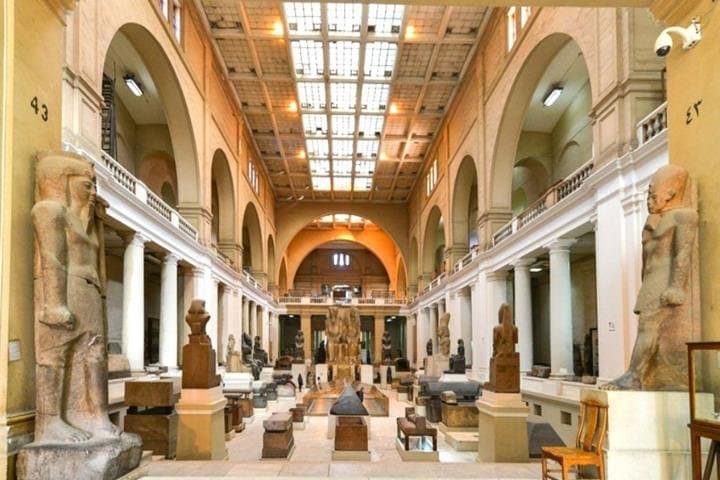
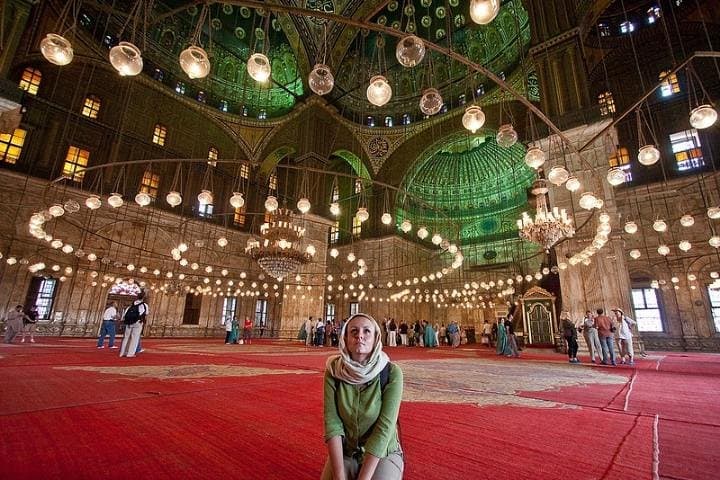
You arrive before dawn at Cairo International: the city exhales heat and diesel, minarets puncture the skyline and the Great Pyramid sits like an ancient bruise against the horizon. Over the next week the landscape will change from the Nile’s green ribbon to the arid, rose-colored walls of Petra and the glassy calm of the Dead Sea—each place staking its own claim on history and memory.
Verified experiences and guided adventures in the surrounding area.
Operated by This Is Egypt · Cairo, Cairo Governorate
You arrive before dawn at Cairo International: the city exhales heat and diesel, minarets puncture the skyline and the Great Pyramid sits like an ancient bruise against the horizon. Over the next week the landscape will change from the Nile’s green ribbon to the arid, rose-colored walls of Petra and the glassy calm of the Dead Sea—each place staking its own claim on history and memory.
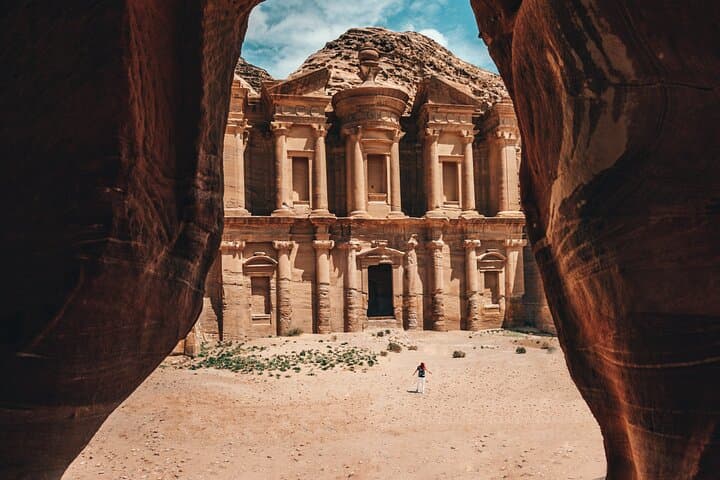
Walk the Giza Plateau beside monuments older than most nations; feel the rustle of papyrus and the layered brick of Saqqara’s step pyramid where ancient engineering first reached toward the sky. Fly to Amman and cross the basalt-split hills of Jordan, where Mount Nebo offers an expansive view of the Jordan Valley and Petra’s Siq narrows into a cinematic slot canyon hewn by Nabataean hands. Geology here is obvious—limestone and sandstone carved by wind and flash floods into façades, tombs, and channels that both protected and showcased a trading empire.
Practical guidance: pack light but smart—breathable layers for hot days and cool nights, sturdy shoes for uneven rock and sand, and a refillable water bottle to cut plastic use. Expect daily walking of 2–4 hours at archaeological sites, occasional short horse rides in Petra, and a leisurely float at the Dead Sea (salt will buoy you—don’t shave right before). Carry local currency for tips and small purchases; confirm visa requirements for Egypt and Jordan ahead of time. Timing your days—early starts for cooler weather and softer light—makes visits more comfortable and photographs crisper. This is a culturally rich, physically accessible itinerary for travelers who want big history, dramatic scenery, and efficient logistics across two iconic countries.
moderate.
7 days.
Suitable for travelers in average fitness—able to walk 2–4 hours daily on uneven terrain and climb short stone steps.
Visa requirements depend on your nationality; many travelers can obtain visas on arrival for Jordan and Egypt, but check current entry rules and consider e-visa options before travel.
Expect moderate walking—2–4 hours at major sites like Giza and Petra, with uneven ground and stone steps; the tour is suitable for most fitness levels.
The Dead Sea is safe to float in but extremely salty—avoid shaving beforehand, keep your mouth closed, and rinse off thoroughly after; don’t dive or submerge your head.
Yes—this itinerary includes English-speaking guides in Cairo and Petra, plus local representatives for transfers and airport assistance.
This route links two long-lived civilizations: Pharaonic dynasties along the Nile and the Nabataean trading network centered at Petra, with sites spanning millennia of human settlement.
High visitation stresses fragile sandstone facades and desert ecosystems—stick to marked paths, avoid climbing on ruins, and minimize plastic waste to protect these landscapes.
This Is Egypt operates guided outdoor trips and adventures with an emphasis on safety, stewardship, and memorable experiences.

You arrive before dawn at Cairo International: the city exhales heat and diesel, minarets puncture the skyline and the Great Pyramid sits like an ancient bruise against the horizon. Over the next week the landscape will change from the Nile’s green ribbon to the arid, rose-colored walls of Petra and the glassy calm of the Dead Sea—each place staking its own claim on history and memory.
You arrive before dawn at Cairo International: the city exhales heat and diesel, minarets puncture the skyline and the Great Pyramid sits like an ancient bruise against the horizon. Over the next week the landscape will change from the Nile’s green ribbon to the arid, rose-colored walls of Petra and the glassy calm of the Dead Sea—each place staking its own claim on history and memory.
Walk the Giza Plateau beside monuments older than most nations; feel the rustle of papyrus and the layered brick of Saqqara’s step pyramid where ancient engineering first reached toward the sky. Fly to Amman and cross the basalt-split hills of Jordan, where Mount Nebo offers an expansive view of the Jordan Valley and Petra’s Siq narrows into a cinematic slot canyon hewn by Nabataean hands. Geology here is obvious—limestone and sandstone carved by wind and flash floods into façades, tombs, and channels that both protected and showcased a trading empire.
Practical guidance: pack light but smart—breathable layers for hot days and cool nights, sturdy shoes for uneven rock and sand, and a refillable water bottle to cut plastic use. Expect daily walking of 2–4 hours at archaeological sites, occasional short horse rides in Petra, and a leisurely float at the Dead Sea (salt will buoy you—don’t shave right before). Carry local currency for tips and small purchases; confirm visa requirements for Egypt and Jordan ahead of time. Timing your days—early starts for cooler weather and softer light—makes visits more comfortable and photographs crisper. This is a culturally rich, physically accessible itinerary for travelers who want big history, dramatic scenery, and efficient logistics across two iconic countries.