THE ADVENTURE COLLECTIVE® · Independent discovery and booking for outdoor travel

Seven days across Cairo, Luxor and Aswan pair iconic pharaonic sites with a Nile cruise. Expect early-morning temple visits, short domestic flights, and relaxed evenings aboard a comfortable cruise vessel.
Seven days across Cairo, Luxor and Aswan pair iconic pharaonic sites with a Nile cruise. Expect early-morning temple visits, short domestic flights, and relaxed evenings aboard a comfortable cruise vessel.
A morning in Cairo begins with dust and light: the Sphinx stares out across a breeze-stiffened plain while minarets call across the city. By evening the Nile’s slow current takes over—onboard a five-star cruise the river becomes a moving vantage point, palms slipping past like scenes in a slow film.
Verified experiences and guided adventures in the surrounding area.
Operated by Kemi Tours Egypt · Luxor, Luxor Governorate
A morning in Cairo begins with dust and light: the Sphinx stares out across a breeze-stiffened plain while minarets call across the city. By evening the Nile’s slow current takes over—onboard a five-star cruise the river becomes a moving vantage point, palms slipping past like scenes in a slow film.
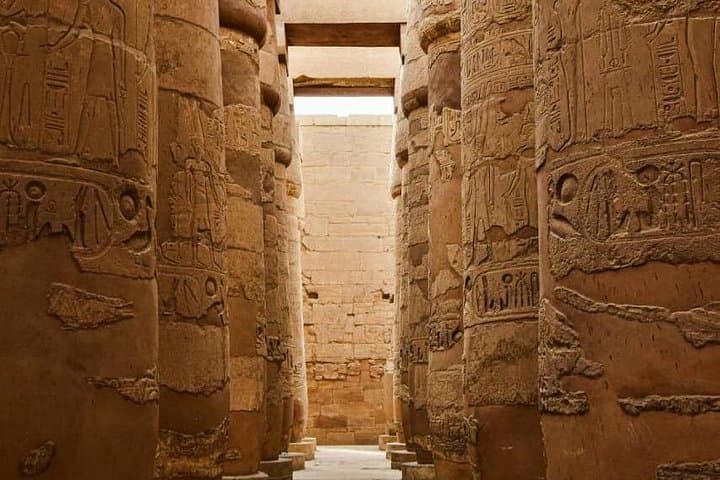
This seven-day itinerary threads three of Egypt’s essential places. In Cairo, the Giza plateau and the Egyptian Museum concentrate millennia of pharaonic power; in Luxor the Karnak complex, Luxor Temple and the Valley of the Kings lay bare New Kingdom ambition and funerary craft. The Nile itself is the geological artery—sediment-rich, shaped by the Aswan High Dam—and culture flows from its banks: Nubian villages, temple festivals and millennia of boat traffic.
Practically, expect short domestic flights (Cairo–Luxor ~1 hour), gentle walking on uneven stone surfaces, and daily sights grouped around morning and late-afternoon visits to avoid peak heat. The cruise offers nightly berths in port towns and shore transfers to Edfu, Kom Ombo and Philae.
Bring breathable clothing for sun and respectful cover for temples; comfortable closed-toe shoes for stairways and tomb ramps; and a refillable water bottle—the Nile breeze in the evening helps, but daytime sun is relentless. Prepare for tipping culture at sites and flexible daily schedules: guides and local timings can shift with river traffic and temple opening hours.
This trip balances spectacle with logistics—ancient stone and modern engine hum—so plan for heat, keep a steady pace, and let the river’s rhythm set the trip’s tempo.
easy.
7 days.
Light to moderate: daily walking on uneven surfaces and short stair climbs; suitable for travelers with basic mobility and stamina.
Most sites require walking over uneven stone and some stairs; the tour is listed as easy but travelers with limited mobility should consult the operator about specific transfer arrangements and tomb access.
Many nationalities require a tourist visa for Egypt; check current entry requirements and obtain a visa in advance or on arrival where applicable.
Egyptian pounds (EGP) are standard for local purchases; major cards work in hotels but carry cash for markets, tips and small vendors.
Tipping (baksheesh) is common for guides, drivers and cruise staff—budget modest daily tips and small notes for porters and service staff.
The sites visited span pharaonic Egypt—from New Kingdom mortuary complexes in Luxor to Ptolemaic and Roman additions at Kom Ombo and Philae—reflecting continuous adaptation along the Nile.
High visitation stresses fragile stone and painted reliefs; follow site rules, avoid touching carvings, and minimize single-use plastics to reduce environmental impact.
Kemi Tours Egypt operates guided outdoor trips and adventures with an emphasis on safety, stewardship, and memorable experiences.
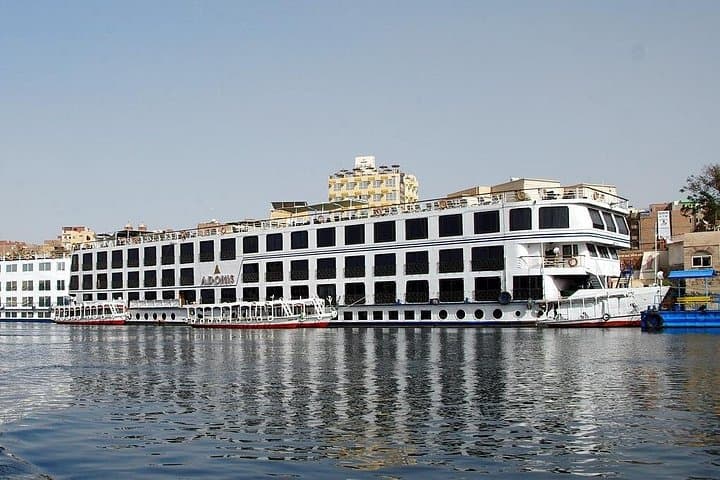
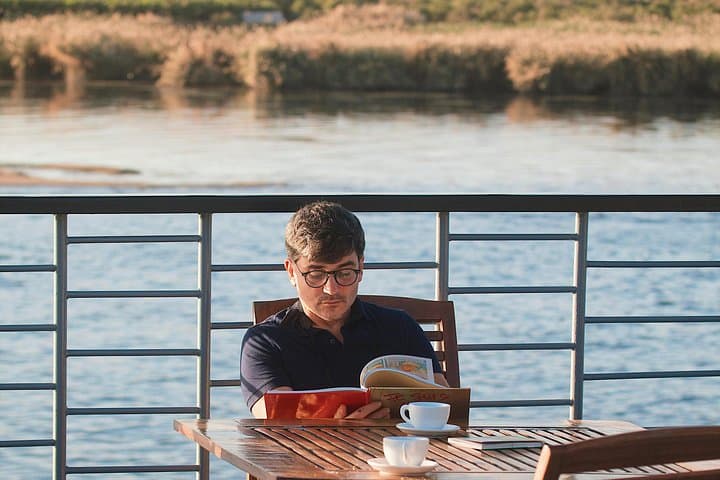
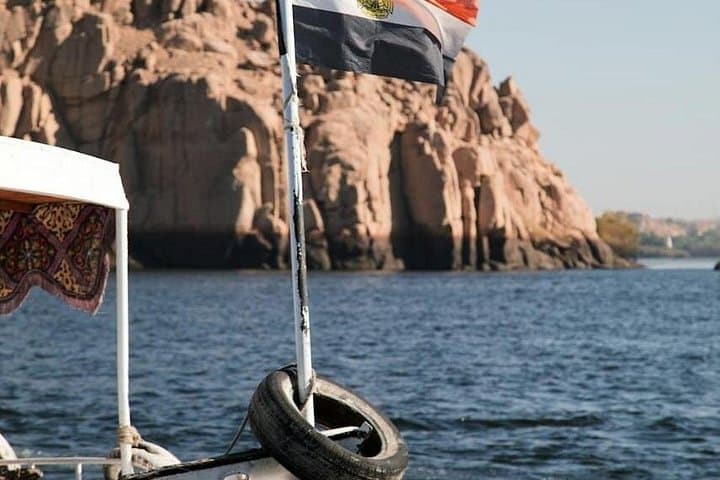
A morning in Cairo begins with dust and light: the Sphinx stares out across a breeze-stiffened plain while minarets call across the city. By evening the Nile’s slow current takes over—onboard a five-star cruise the river becomes a moving vantage point, palms slipping past like scenes in a slow film.
A morning in Cairo begins with dust and light: the Sphinx stares out across a breeze-stiffened plain while minarets call across the city. By evening the Nile’s slow current takes over—onboard a five-star cruise the river becomes a moving vantage point, palms slipping past like scenes in a slow film.
This seven-day itinerary threads three of Egypt’s essential places. In Cairo, the Giza plateau and the Egyptian Museum concentrate millennia of pharaonic power; in Luxor the Karnak complex, Luxor Temple and the Valley of the Kings lay bare New Kingdom ambition and funerary craft. The Nile itself is the geological artery—sediment-rich, shaped by the Aswan High Dam—and culture flows from its banks: Nubian villages, temple festivals and millennia of boat traffic.
Practically, expect short domestic flights (Cairo–Luxor ~1 hour), gentle walking on uneven stone surfaces, and daily sights grouped around morning and late-afternoon visits to avoid peak heat. The cruise offers nightly berths in port towns and shore transfers to Edfu, Kom Ombo and Philae.
Bring breathable clothing for sun and respectful cover for temples; comfortable closed-toe shoes for stairways and tomb ramps; and a refillable water bottle—the Nile breeze in the evening helps, but daytime sun is relentless. Prepare for tipping culture at sites and flexible daily schedules: guides and local timings can shift with river traffic and temple opening hours.
This trip balances spectacle with logistics—ancient stone and modern engine hum—so plan for heat, keep a steady pace, and let the river’s rhythm set the trip’s tempo.