THE ADVENTURE COLLECTIVE® · Independent discovery and booking for outdoor travel

A seven-day loop from Cusco that pairs cultural highlights—Sacred Valley, Moray, Maras—with high-altitude hikes to Rainbow Mountain and Humantay Lake and a rail approach to Machu Picchu. Expect early mornings, thin air, and a mix of guided touring and independent exploration.
A seven-day loop from Cusco that pairs cultural highlights—Sacred Valley, Moray, Maras—with high-altitude hikes to Rainbow Mountain and Humantay Lake and a rail approach to Machu Picchu. Expect early mornings, thin air, and a mix of guided touring and independent exploration.
Dawn in Cusco cleaves the cold Andean air; rooftops steam and the plaza fills with light as you sip coca tea and feel the altitude tug at your breath. Over seven days this itinerary moves from the stone alleys of the old city into glacier-fed lakes and mineral-striped ridgelines, trading cobbled streets for highland trails and a pilgrimage by rail to the citadel of Machu Picchu.
Verified experiences and guided adventures in the surrounding area.
Operated by Kantu Peru Tours · Cusco, Cusco Region
Dawn in Cusco cleaves the cold Andean air; rooftops steam and the plaza fills with light as you sip coca tea and feel the altitude tug at your breath. Over seven days this itinerary moves from the stone alleys of the old city into glacier-fed lakes and mineral-striped ridgelines, trading cobbled streets for highland trails and a pilgrimage by rail to the citadel of Machu Picchu.
The route threads Inca engineering and natural geology: the terraced experiments at Moray, the evaporation pans of Maras, the volcanic minerals that stain Vinicunca (Rainbow Mountain) and the glacial runoff that gives Humantay Lake its turquoise glow. Quechua communities along the way maintain weaving traditions and small family restaurants; many sites are still managed through local cooperatives.
Practically, expect multiple early starts, one overnight in Aguas Calientes, and a mix of bus, train, and short-but-steep hikes at high elevation (Cusco ~3,400 m; Rainbow Mountain ~5,100 m; Humantay Lake ~4,200 m). Machu Picchu access is ticketed by circuit and often requires a supplemental local guide; train and entrance reservations are required well in advance.
Bring layered clothing for sun, wind and sudden cold, a good pair of hiking boots, altitude-smart pacing, and water purification or high-capacity bottles. Plan at least 48–72 hours in Cusco to acclimatize, carry your passport for train and park entry, and budget time for basic but clean meals in mountain villages. With preparation, this loop delivers historic sites, sharp alpine views, and easy access to some of the Andes’ most dramatic landscapes.
challenging.
7 days.
Moderate to good cardiovascular fitness; ability to hike 2–4 hours on steep, high-altitude trails and tolerate multi-day travel.
Yes—Machu Picchu entrances and train seats are limited; book as early as possible, especially in dry season. Circuit allocations can vary, so confirm which circuit is included before travel.
Both are short but steep at high altitude; Rainbow Mountain involves sustained uphill with thin air, Humantay is a 1.5–2 hour ascent—pace yourself and consider a horse for Humantay if needed.
Local regulations often require a licensed guide for certain circuits; the tour notes that a private guide at Machu Picchu may incur an extra cost—confirm with your operator.
Acclimatize gradually, stay hydrated, avoid heavy meals and alcohol on arrival, and consider acetazolamide only after consulting a doctor; know signs of severe altitude illness and descend if symptoms worsen.
The itinerary links Inca agricultural engineering and ritual centers—Moray’s concentric terraces and the salt pans at Maras illustrate pre-Columbian land management that supported the Empire.
Visitor limits at Machu Picchu and trail maintenance efforts aim to reduce erosion; stick to trails, avoid single-use plastics and support local community-run services to minimize impact.
Kantu Peru Tours operates guided outdoor trips and adventures with an emphasis on safety, stewardship, and memorable experiences.
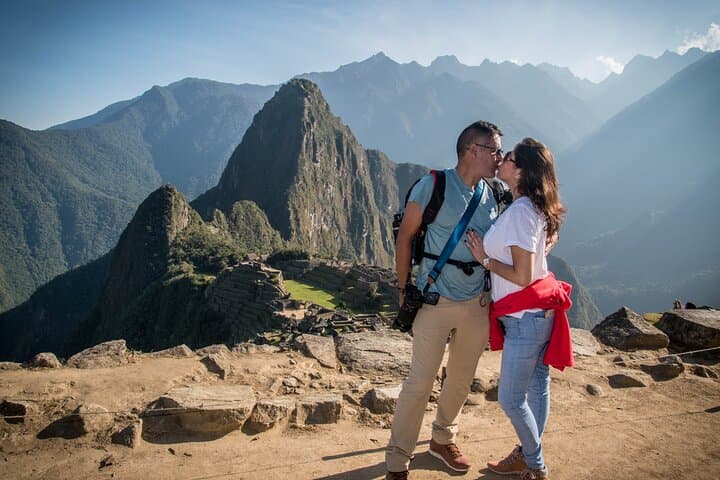
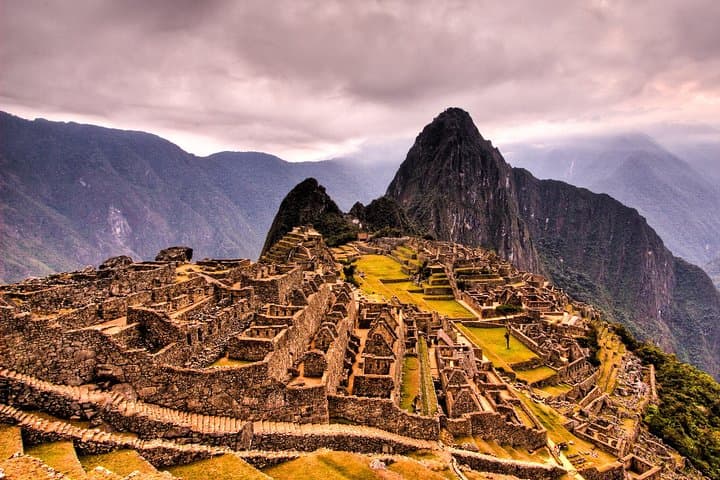
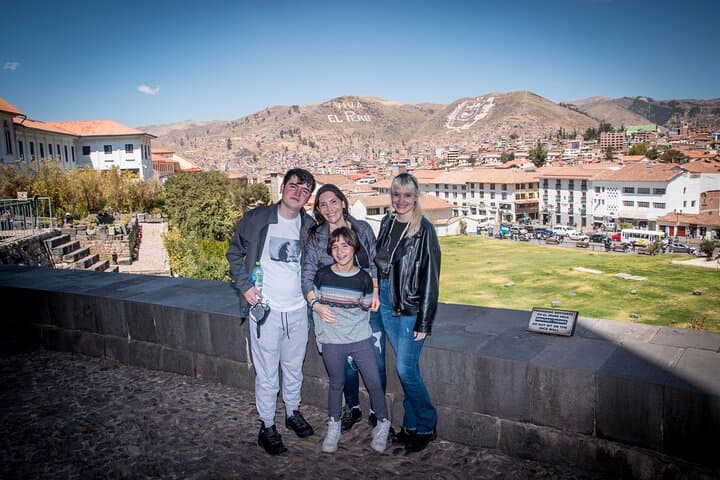
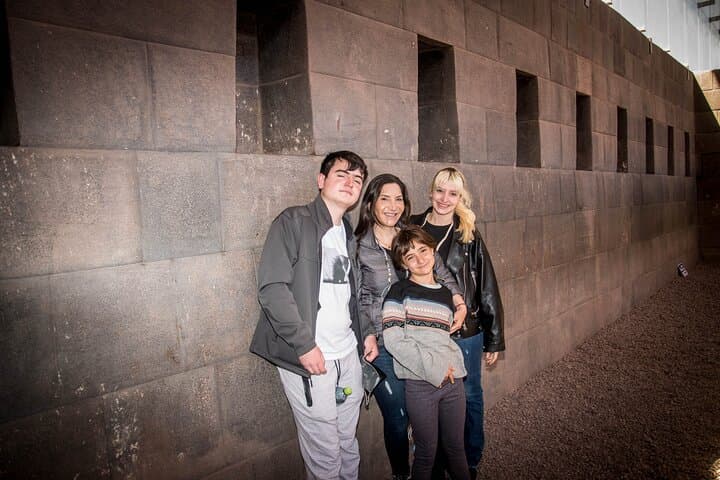
Dawn in Cusco cleaves the cold Andean air; rooftops steam and the plaza fills with light as you sip coca tea and feel the altitude tug at your breath. Over seven days this itinerary moves from the stone alleys of the old city into glacier-fed lakes and mineral-striped ridgelines, trading cobbled streets for highland trails and a pilgrimage by rail to the citadel of Machu Picchu.
Dawn in Cusco cleaves the cold Andean air; rooftops steam and the plaza fills with light as you sip coca tea and feel the altitude tug at your breath. Over seven days this itinerary moves from the stone alleys of the old city into glacier-fed lakes and mineral-striped ridgelines, trading cobbled streets for highland trails and a pilgrimage by rail to the citadel of Machu Picchu.
The route threads Inca engineering and natural geology: the terraced experiments at Moray, the evaporation pans of Maras, the volcanic minerals that stain Vinicunca (Rainbow Mountain) and the glacial runoff that gives Humantay Lake its turquoise glow. Quechua communities along the way maintain weaving traditions and small family restaurants; many sites are still managed through local cooperatives.
Practically, expect multiple early starts, one overnight in Aguas Calientes, and a mix of bus, train, and short-but-steep hikes at high elevation (Cusco ~3,400 m; Rainbow Mountain ~5,100 m; Humantay Lake ~4,200 m). Machu Picchu access is ticketed by circuit and often requires a supplemental local guide; train and entrance reservations are required well in advance.
Bring layered clothing for sun, wind and sudden cold, a good pair of hiking boots, altitude-smart pacing, and water purification or high-capacity bottles. Plan at least 48–72 hours in Cusco to acclimatize, carry your passport for train and park entry, and budget time for basic but clean meals in mountain villages. With preparation, this loop delivers historic sites, sharp alpine views, and easy access to some of the Andes’ most dramatic landscapes.