THE ADVENTURE COLLECTIVE® · Independent discovery and booking for outdoor travel

A concentrated, high-altitude week through Cusco province: Sacred Valley archaeology, a dawn hike to Humantay Lake, the chromatic sweep of Rainbow Mountain, community‑maintained Q'eswachaka, and a timed visit to Machu Picchu. Plan for altitude, sturdy boots, and booked entry tickets.
A concentrated, high-altitude week through Cusco province: Sacred Valley archaeology, a dawn hike to Humantay Lake, the chromatic sweep of Rainbow Mountain, community‑maintained Q'eswachaka, and a timed visit to Machu Picchu. Plan for altitude, sturdy boots, and booked entry tickets.
You step off the bus in Cusco and the air tugs at your lungs—thin, cool, and bracing. Cobbled streets slope toward the Plaza de Armas while Andes ridges cut the skyline; over the next seven days you'll move from colonial alleys to glacial lagoons and Inca stonework, feeling altitude as a constant companion.
Verified experiences and guided adventures in the surrounding area.
Operated by Chullos Travel Peru · Cusco, Cusco
You step off the bus in Cusco and the air tugs at your lungs—thin, cool, and bracing. Cobbled streets slope toward the Plaza de Armas while Andes ridges cut the skyline; over the next seven days you'll move from colonial alleys to glacial lagoons and Inca stonework, feeling altitude as a constant companion.
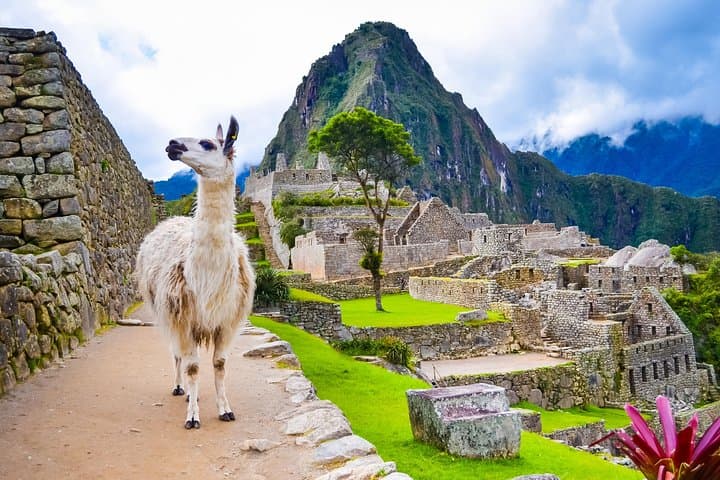
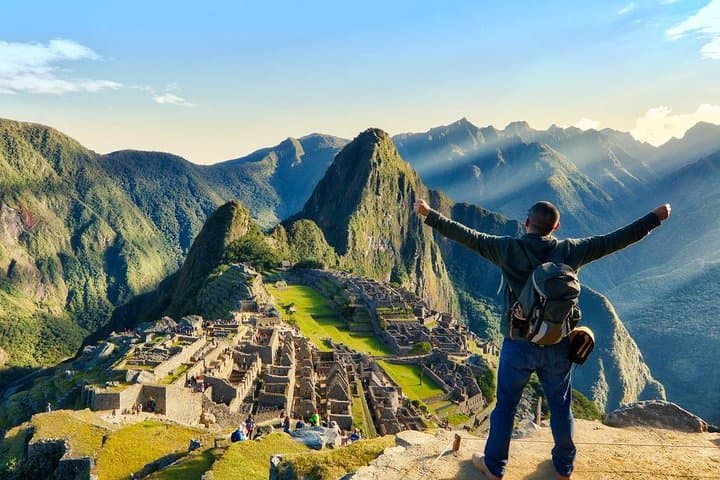
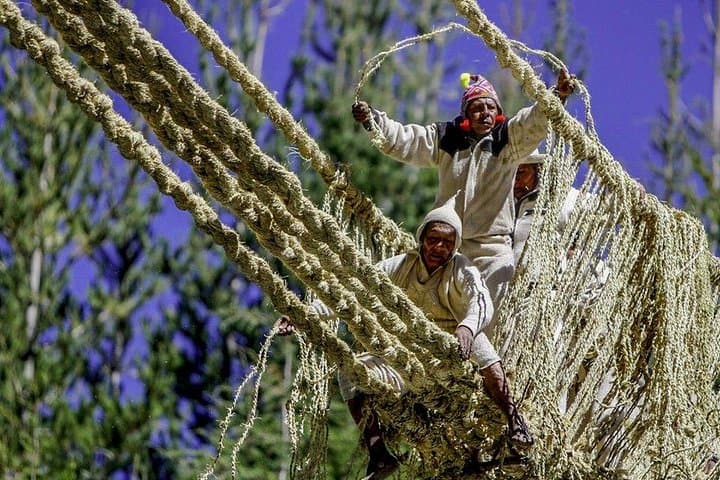
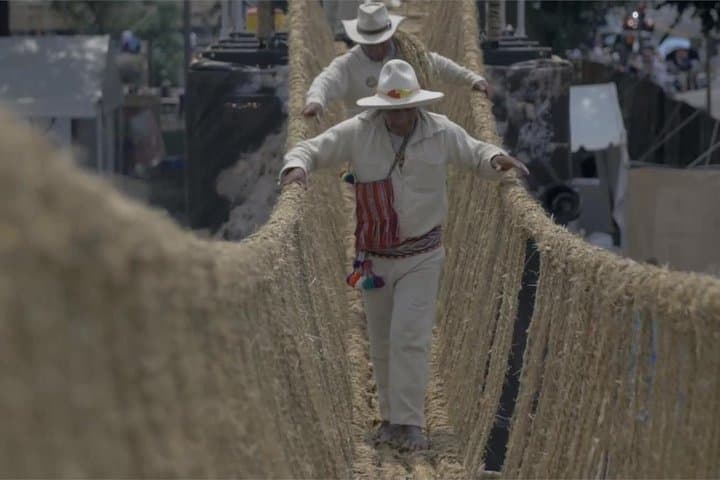
This itinerary threads major Inca-era sites—Koricancha, Sacsayhuamán, the Sacred Valley—and culminates at Machu Picchu, the 15th‑century citadel perched above cloud-choked jungle. Geologically, the route crosses volcanic highlands and eroded sedimentary valleys; Rainbow Mountain owes its stripes to oxidized minerals exposed by uplift and glacial retreat. Culture here is living: Quechua-speaking communities maintain traditions like the annual repair of Q'eswachaka, the woven suspension bridge.
Expect guided archaeological tours, a high-altitude trek to Winicunca (Rainbow Mountain), the 1.5–2 hour hike to Humantay Lake at ~4,250 m, and train transfers to Aguas Calientes for Machu Picchu. Nature has personality here—the river channels urge you downstream, the wind at the pass pushes you forward.
Practical guidance: acclimatize in Cusco 24–48 hours if possible, sip coca tea, and pace uphill sections. Footwear should be sturdy with good ankle support; layers matter—mornings can be near freezing while afternoons warm quickly. Carry water, sunscreen, and small bills for entrances and tips. Confirm Machu Picchu tickets in advance (they sell out) and keep your passport handy for tickets. With preparation, this week balances cultural immersion and strenuous alpine walks into a compact, unforgettable Andean loop.
challenging.
7 days.
Good aerobic fitness recommended; ability to hike 1–3 hours at high altitude and handle stair sections.
Yes—entrances are capped by the Ministry of Culture; buy tickets and select your circuit early, especially in high season.
Acclimatize in Cusco 24–48 hours, hydrate, avoid alcohol, eat light foods, and consider coca tea or consult a physician about acetazolamide if you are prone to severe symptoms.
Both are short but steep at high elevation; expect 1–2 hours uphill and uneven terrain—pace yourself and use provided walking sticks if needed.
Spanish and Quechua are common; guides and drivers appreciate 10–15% tips in soles for good service, and small change is useful for local purchases.
The Sacred Valley and Machu Picchu were integral to Inca administration and ritual; many sites trace to 15th‑century imperial expansion and predate Spanish colonial routes.
Visitor limits at Machu Picchu and guided access aim to reduce erosion; support local communities by using licensed guides and leaving no trace.
Chullos Travel Peru operates guided outdoor trips and adventures with an emphasis on safety, stewardship, and memorable experiences.
You step off the bus in Cusco and the air tugs at your lungs—thin, cool, and bracing. Cobbled streets slope toward the Plaza de Armas while Andes ridges cut the skyline; over the next seven days you'll move from colonial alleys to glacial lagoons and Inca stonework, feeling altitude as a constant companion.
You step off the bus in Cusco and the air tugs at your lungs—thin, cool, and bracing. Cobbled streets slope toward the Plaza de Armas while Andes ridges cut the skyline; over the next seven days you'll move from colonial alleys to glacial lagoons and Inca stonework, feeling altitude as a constant companion.
This itinerary threads major Inca-era sites—Koricancha, Sacsayhuamán, the Sacred Valley—and culminates at Machu Picchu, the 15th‑century citadel perched above cloud-choked jungle. Geologically, the route crosses volcanic highlands and eroded sedimentary valleys; Rainbow Mountain owes its stripes to oxidized minerals exposed by uplift and glacial retreat. Culture here is living: Quechua-speaking communities maintain traditions like the annual repair of Q'eswachaka, the woven suspension bridge.
Expect guided archaeological tours, a high-altitude trek to Winicunca (Rainbow Mountain), the 1.5–2 hour hike to Humantay Lake at ~4,250 m, and train transfers to Aguas Calientes for Machu Picchu. Nature has personality here—the river channels urge you downstream, the wind at the pass pushes you forward.
Practical guidance: acclimatize in Cusco 24–48 hours if possible, sip coca tea, and pace uphill sections. Footwear should be sturdy with good ankle support; layers matter—mornings can be near freezing while afternoons warm quickly. Carry water, sunscreen, and small bills for entrances and tips. Confirm Machu Picchu tickets in advance (they sell out) and keep your passport handy for tickets. With preparation, this week balances cultural immersion and strenuous alpine walks into a compact, unforgettable Andean loop.