THE ADVENTURE COLLECTIVE® · Independent discovery and booking for outdoor travel

A week-long circuit from Tunis to the Sahara that pairs Roman ruins and medina alleyways with palm oases and salt flats. Practical-paced days, hotel stays, and guided visits offer a sweeping introduction to Tunisia’s landscapes and history.
A week-long circuit from Tunis to the Sahara that pairs Roman ruins and medina alleyways with palm oases and salt flats. Practical-paced days, hotel stays, and guided visits offer a sweeping introduction to Tunisia’s landscapes and history.
You step off the coach into a sunlit square in Tunis and the air smells of sea and spice—this is the rhythm the next seven days will follow: coastal ruins and medina alleys, then a long slide into palm oases and salt flats. The itinerary threads Roman amphitheaters, hilltop Carthage, the tile-rich Bardo Museum and the white-and-blue cliffs of Sidi Bou Said before heading south through Numidian plains to the Roman ruins of Dougga and the underground houses of Matmata.
Verified experiences and guided adventures in the surrounding area.
Operated by Tunez-Monumental · Tunis, Tunis Governorate
You step off the coach into a sunlit square in Tunis and the air smells of sea and spice—this is the rhythm the next seven days will follow: coastal ruins and medina alleys, then a long slide into palm oases and salt flats. The itinerary threads Roman amphitheaters, hilltop Carthage, the tile-rich Bardo Museum and the white-and-blue cliffs of Sidi Bou Said before heading south through Numidian plains to the Roman ruins of Dougga and the underground houses of Matmata.
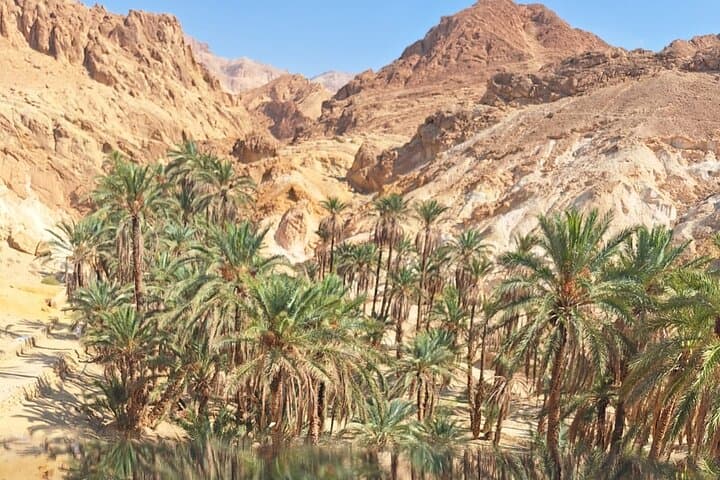
Tunisia’s geology moves quickly from Mediterranean limestone to Sahara outcrops; Chott el Djerid’s salt crust stretches like a white desert mirror while the gorges of Tamerza cut shaded pockets where waterfalls still insist on flowing. Culture is constant: the Great Mosque of Kairouan, artisan workshops in souks, and palm-grove agriculture that has supported oasis towns for centuries.
Expect daily segments of driving—commonly 2–6 hours—interspersed with guided walks on uneven stone, short hikes in oasis landscapes, and time to explore archaeological sites at a measured pace. Accommodations are hotel-based; breakfasts and dinners are included.
Practical guidance: carry at least 2–3 liters of water for long travel days, wear closed-toe shoes for ruins and rough paths, and layer for desert nights that can drop 10–15°C from daytime highs. Bring local currency for market purchases and be prepared for modest cultural norms in religious sites. This tour balances organized logistics with chances to wander market lanes, making it a practical, immersive route through Tunisia’s human and natural story.
moderate.
7 days.
Suitable for travelers with a moderate level of fitness who can manage several hours of walking on uneven ground and multiple travel days.
Yes—this tour includes seven breakfasts and seven dinners, plus hotel accommodation each night as noted in the itinerary.
Expect multiple coach transfers varying from about 2 to 6 hours per day depending on the route; the tour balances travel with guided site visits.
Visa requirements depend on your nationality—check Tunisia’s entry rules well before travel and ensure passport validity per airline and immigration rules.
Some sites have uneven surfaces and steps; while parts of the itinerary are wheelchair or stroller accessible, travelers should contact the operator about specific needs before booking.
Tunisia’s coastline and interior were shaped by Phoenician, Roman, Byzantine and Islamic civilizations—sites like Carthage and El Djem reflect layers of Mediterranean history.
Many oasis ecosystems are fragile; visitors should stick to paths, avoid wasting water, and support community-run cooperatives to help local economies.
Tunez-Monumental operates guided outdoor trips and adventures with an emphasis on safety, stewardship, and memorable experiences.


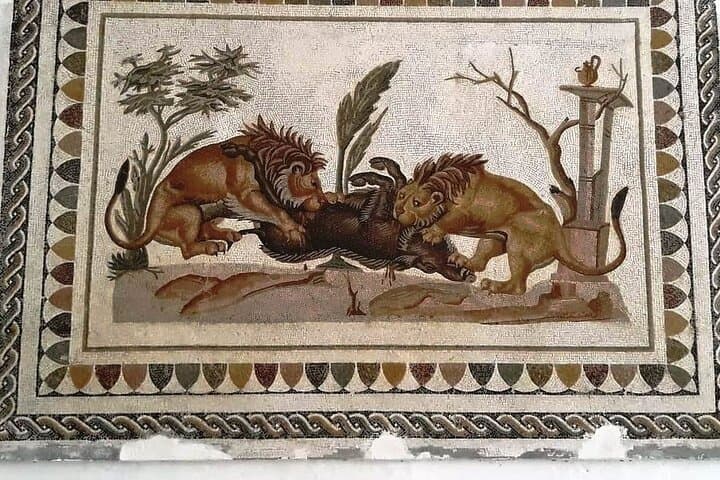
You step off the coach into a sunlit square in Tunis and the air smells of sea and spice—this is the rhythm the next seven days will follow: coastal ruins and medina alleys, then a long slide into palm oases and salt flats. The itinerary threads Roman amphitheaters, hilltop Carthage, the tile-rich Bardo Museum and the white-and-blue cliffs of Sidi Bou Said before heading south through Numidian plains to the Roman ruins of Dougga and the underground houses of Matmata.
You step off the coach into a sunlit square in Tunis and the air smells of sea and spice—this is the rhythm the next seven days will follow: coastal ruins and medina alleys, then a long slide into palm oases and salt flats. The itinerary threads Roman amphitheaters, hilltop Carthage, the tile-rich Bardo Museum and the white-and-blue cliffs of Sidi Bou Said before heading south through Numidian plains to the Roman ruins of Dougga and the underground houses of Matmata.
Tunisia’s geology moves quickly from Mediterranean limestone to Sahara outcrops; Chott el Djerid’s salt crust stretches like a white desert mirror while the gorges of Tamerza cut shaded pockets where waterfalls still insist on flowing. Culture is constant: the Great Mosque of Kairouan, artisan workshops in souks, and palm-grove agriculture that has supported oasis towns for centuries.
Expect daily segments of driving—commonly 2–6 hours—interspersed with guided walks on uneven stone, short hikes in oasis landscapes, and time to explore archaeological sites at a measured pace. Accommodations are hotel-based; breakfasts and dinners are included.
Practical guidance: carry at least 2–3 liters of water for long travel days, wear closed-toe shoes for ruins and rough paths, and layer for desert nights that can drop 10–15°C from daytime highs. Bring local currency for market purchases and be prepared for modest cultural norms in religious sites. This tour balances organized logistics with chances to wander market lanes, making it a practical, immersive route through Tunisia’s human and natural story.