THE ADVENTURE COLLECTIVE® · Independent discovery and booking for outdoor travel

A compact, well-paced week through China’s top sights: hike the Mutianyu Great Wall, stand before the Terracotta Army, and meet giant pandas in Chengdu. Expect guided transfers, domestic flights, and a mix of easy walking and short uphill sections.
A compact, well-paced week through China’s top sights: hike the Mutianyu Great Wall, stand before the Terracotta Army, and meet giant pandas in Chengdu. Expect guided transfers, domestic flights, and a mix of easy walking and short uphill sections.
You step off the plane into Beijing’s humid airport air and the city unfolds—stone avenues pushing toward square monuments, a skyline stitched with modern steel and ancient roofs. Over seven days this tour moves you through three very different faces of China: the ramparts and imperial halls of Beijing; the echoing clay armies of Xi’an; and Chengdu’s slower, bamboo-shaded streets where pandas nap in captivity and teahouses hum.
Verified experiences and guided adventures in the surrounding area.
Operated by Pingan First Travel · Beijing, Beijing
You step off the plane into Beijing’s humid airport air and the city unfolds—stone avenues pushing toward square monuments, a skyline stitched with modern steel and ancient roofs. Over seven days this tour moves you through three very different faces of China: the ramparts and imperial halls of Beijing; the echoing clay armies of Xi’an; and Chengdu’s slower, bamboo-shaded streets where pandas nap in captivity and teahouses hum.
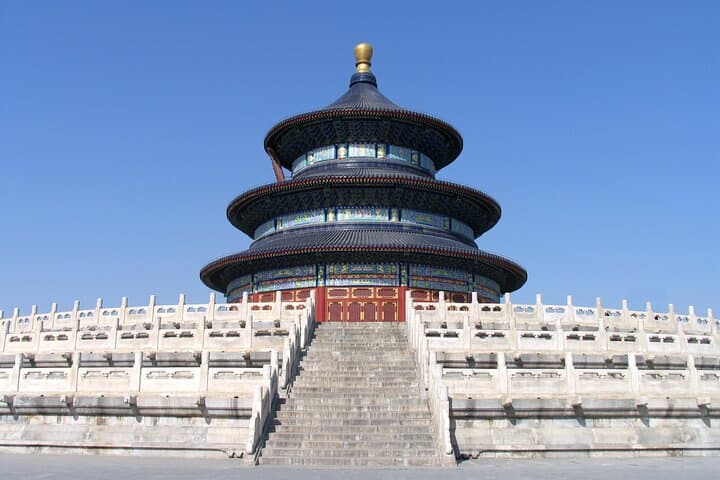
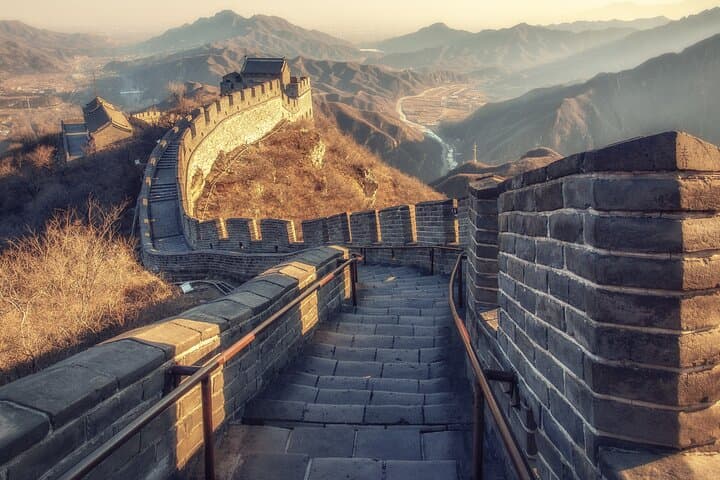
Beijing’s Mutianyu sector of the Great Wall offers a clear, walkable ridge—restored stone steps and watchtowers that climb roughly 200–400 meters over rolling hills—while the Forbidden City and Temple of Heaven map imperial power and ritual. Xi’an reads older: the Terracotta Army dates to Qin Shi Huang (3rd century BCE), and the city wall makes a 13.7 km loop you can cycle or walk for wide urban views. In Chengdu, the panda breeding centers pair conservation science with close-up viewing; the surrounding Sichuan Basin geology creates fertile plains that have shaped local cuisine and agriculture.
Practical edge: expect multiple short domestic flights, early starts for prime-site windows, and guided transfers between airports and hotels. Carry local cash and a translation app, wear broken-in walking shoes for uneven stone and hutong alleys, and budget time for security queues at major sites. Hydrate—summer heat can be intense—and plan visits to the panda center in the morning when animals are most active. This tour mixes light hiking, cultural walking, and wildlife viewing; it’s geared toward travelers who want high-impact highlights and logistical ease in one compact week.
easy.
7 days.
Light cardio and mobility for walking, short uphill sections, and multiple transfers; suitable for most travelers.
Most travelers to China require a valid visa obtained before travel—check current entry rules for your nationality well in advance.
This itinerary involves moderate walking: sections of the Great Wall (short hikes), walking tours in hutongs and museum visits; pace is generally easy.
Many major site admissions are included according to the itinerary, but confirm specifics with the operator for optional extras and local taxes.
Visits to panda breeding centers are observational and educational; direct contact is not permitted but close viewing and keeper talks are common.
This route threads through dynastic power centers: imperial Beijing, Qin-era mausoleums at Xi’an, and Sichuan’s long agricultural heartlands that shaped regional culture.
Panda centers focus on captive breeding and habitat restoration; visitors should follow site rules to minimize disturbance and support conservation fees.
Pingan First Travel operates guided outdoor trips and adventures with an emphasis on safety, stewardship, and memorable experiences.
You step off the plane into Beijing’s humid airport air and the city unfolds—stone avenues pushing toward square monuments, a skyline stitched with modern steel and ancient roofs. Over seven days this tour moves you through three very different faces of China: the ramparts and imperial halls of Beijing; the echoing clay armies of Xi’an; and Chengdu’s slower, bamboo-shaded streets where pandas nap in captivity and teahouses hum.
You step off the plane into Beijing’s humid airport air and the city unfolds—stone avenues pushing toward square monuments, a skyline stitched with modern steel and ancient roofs. Over seven days this tour moves you through three very different faces of China: the ramparts and imperial halls of Beijing; the echoing clay armies of Xi’an; and Chengdu’s slower, bamboo-shaded streets where pandas nap in captivity and teahouses hum.
Beijing’s Mutianyu sector of the Great Wall offers a clear, walkable ridge—restored stone steps and watchtowers that climb roughly 200–400 meters over rolling hills—while the Forbidden City and Temple of Heaven map imperial power and ritual. Xi’an reads older: the Terracotta Army dates to Qin Shi Huang (3rd century BCE), and the city wall makes a 13.7 km loop you can cycle or walk for wide urban views. In Chengdu, the panda breeding centers pair conservation science with close-up viewing; the surrounding Sichuan Basin geology creates fertile plains that have shaped local cuisine and agriculture.
Practical edge: expect multiple short domestic flights, early starts for prime-site windows, and guided transfers between airports and hotels. Carry local cash and a translation app, wear broken-in walking shoes for uneven stone and hutong alleys, and budget time for security queues at major sites. Hydrate—summer heat can be intense—and plan visits to the panda center in the morning when animals are most active. This tour mixes light hiking, cultural walking, and wildlife viewing; it’s geared toward travelers who want high-impact highlights and logistical ease in one compact week.