THE ADVENTURE COLLECTIVE® · Independent discovery and booking for outdoor travel

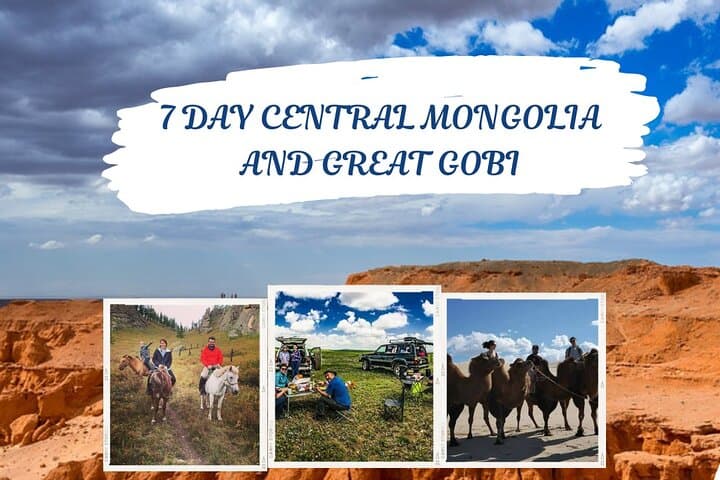
Traverse wide steppe, ancient Karakorum ruins and sand-swept Elsen Tasarkhai on a seven-day loop from Ulaanbaatar. This trip mixes geology, nomadic culture and hands-on experiences—horse riding, camel treks and stays in gers.
Traverse wide steppe, ancient Karakorum ruins and sand-swept Elsen Tasarkhai on a seven-day loop from Ulaanbaatar. This trip mixes geology, nomadic culture and hands-on experiences—horse riding, camel treks and stays in gers.
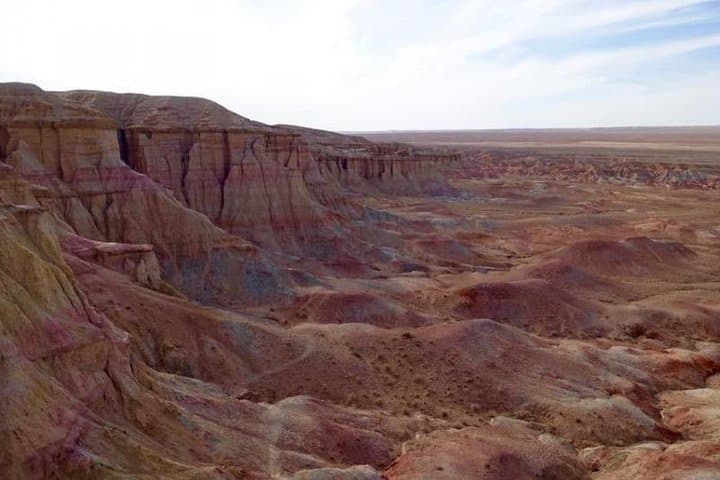
Dust kicks up from a gravel track as your vehicle leaves Ulaanbaatar behind and the steppe opens—wide, spare, and insistently alive. Over seven days you cross shale plateaus and wind-swept grasslands to reach chalk cliffs, ruined monasteries, a roaring Orkhon waterfall and the small, soft-stacked dunes of Elsen Tasarkhai. The landscape alternates between long-distance solitude and sudden detail: petroglyphs carved into sun-baked rock, ger circles on the horizon, and switchbacks of sand that dare you to climb them.
Verified experiences and guided adventures in the surrounding area.
Operated by Danista Nomads Tour · Ulaanbaatar, Ulaanbaatar
Dust kicks up from a gravel track as your vehicle leaves Ulaanbaatar behind and the steppe opens—wide, spare, and insistently alive. Over seven days you cross shale plateaus and wind-swept grasslands to reach chalk cliffs, ruined monasteries, a roaring Orkhon waterfall and the small, soft-stacked dunes of Elsen Tasarkhai. The landscape alternates between long-distance solitude and sudden detail: petroglyphs carved into sun-baked rock, ger circles on the horizon, and switchbacks of sand that dare you to climb them.
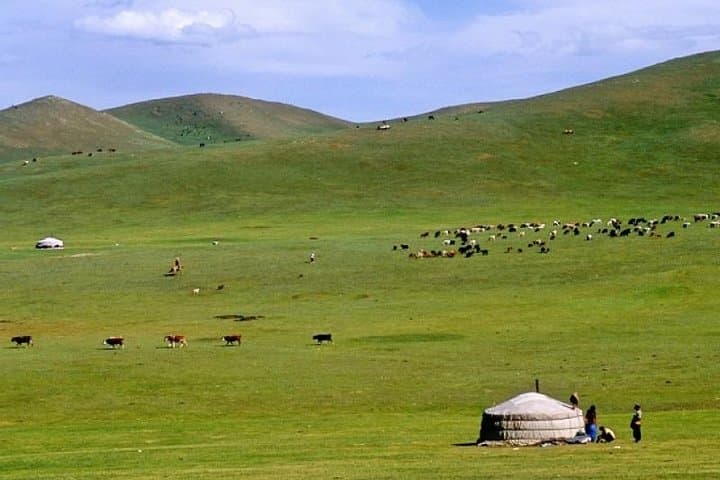
History here is visible: Karakorum was the 13th-century seat of empire, Ongi Khiid’s stones recall a monastic revival and Tsagaan Suvarga’s bands of color record millions of years of erosion. Geology shifts from Orkhon’s river-cut valley—home to the Ulaan Tsutgalan waterfall, roughly 20 meters high—to the Gobi’s compact dunes and badlands. Culture is present in daily life: horse-riding is practical transport, gers (yurts) are common accommodations, and hosts share dairy-based meals.
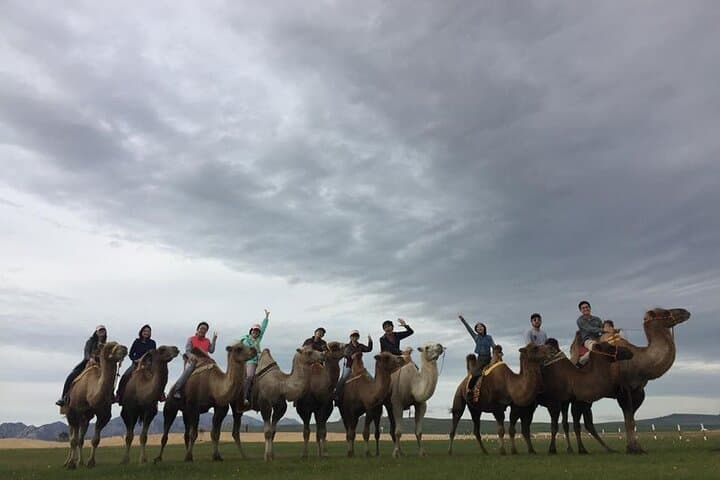
Expect long drives (several 200–300 km legs on unpaved roads), short guided walks, sunrise camel treks and basic horseback rides. Accommodation ranges from ger-hostels with showers to local families where hot water can be limited. Practical tips: pack layered clothing for 1,000–1,500 m elevations, strong sun protection, a water reservoir and cash for remote stops. Allow extra time for road conditions; travel here rewards patience with clear skies, bold formations and close-up encounters with nomadic life.
moderate.
7 days.
Suitable for travelers in good general health: able to sit long drives, manage short off-trail walks (1–3 km) and mount basic horse or camel rides.
The tour is rated easy–moderate: most activities are short walks, basic horse/camel rides and long vehicle transfers; no technical climbing is required.
Accommodation alternates between ger hostels with showers and family stays where hot water or indoor showers may not be available—pack wet wipes and quick-dry towels.
Late spring through early autumn (May–September) offers the most temperate weather and accessible roads; summer is warmest, spring and fall bring cooler nights.
Visitors typically require a Mongolian visa depending on nationality; check embassy rules and routine travel vaccinations—consult your health provider for recommendations.
Karakorum served as a Mongol Empire administrative center in the 13th century; Ongi Khiid was a major monastery complex founded in the 18th century and later rebuilt after 20th-century destruction.
The Gobi’s fragile soils and sparse vegetation recover slowly from vehicle tracks and campfires—stay on designated tracks, minimize waste, and support local guide services that follow leave-no-trace practices.
Danista Nomads Tour operates guided outdoor trips and adventures with an emphasis on safety, stewardship, and memorable experiences.
Dust kicks up from a gravel track as your vehicle leaves Ulaanbaatar behind and the steppe opens—wide, spare, and insistently alive. Over seven days you cross shale plateaus and wind-swept grasslands to reach chalk cliffs, ruined monasteries, a roaring Orkhon waterfall and the small, soft-stacked dunes of Elsen Tasarkhai. The landscape alternates between long-distance solitude and sudden detail: petroglyphs carved into sun-baked rock, ger circles on the horizon, and switchbacks of sand that dare you to climb them.
Dust kicks up from a gravel track as your vehicle leaves Ulaanbaatar behind and the steppe opens—wide, spare, and insistently alive. Over seven days you cross shale plateaus and wind-swept grasslands to reach chalk cliffs, ruined monasteries, a roaring Orkhon waterfall and the small, soft-stacked dunes of Elsen Tasarkhai. The landscape alternates between long-distance solitude and sudden detail: petroglyphs carved into sun-baked rock, ger circles on the horizon, and switchbacks of sand that dare you to climb them.
History here is visible: Karakorum was the 13th-century seat of empire, Ongi Khiid’s stones recall a monastic revival and Tsagaan Suvarga’s bands of color record millions of years of erosion. Geology shifts from Orkhon’s river-cut valley—home to the Ulaan Tsutgalan waterfall, roughly 20 meters high—to the Gobi’s compact dunes and badlands. Culture is present in daily life: horse-riding is practical transport, gers (yurts) are common accommodations, and hosts share dairy-based meals.
Expect long drives (several 200–300 km legs on unpaved roads), short guided walks, sunrise camel treks and basic horseback rides. Accommodation ranges from ger-hostels with showers to local families where hot water can be limited. Practical tips: pack layered clothing for 1,000–1,500 m elevations, strong sun protection, a water reservoir and cash for remote stops. Allow extra time for road conditions; travel here rewards patience with clear skies, bold formations and close-up encounters with nomadic life.