THE ADVENTURE COLLECTIVE® · Independent discovery and booking for outdoor travel

Cross the High Atlas and trade asphalt for tracks on a seven-day camel trek from Marrakech to the dunes of Erg Chigaga. Expect slow days of riding and walking, nomadic camps, dramatic temperature swings, and guided routes through pockets of the true Sahara.
Cross the High Atlas and trade asphalt for tracks on a seven-day camel trek from Marrakech to the dunes of Erg Chigaga. Expect slow days of riding and walking, nomadic camps, dramatic temperature swings, and guided routes through pockets of the true Sahara.
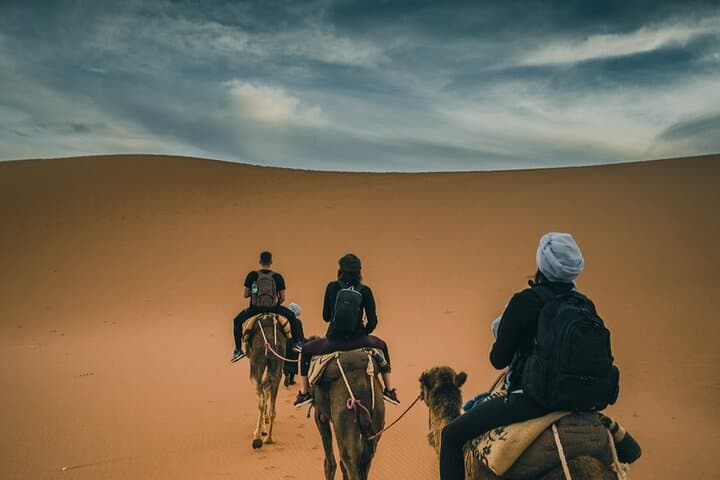
A slow, sand-sifted dawn pulls you awake on the first day as a caravan lines up beyond the palm grove. The city’s bustle peels away on the drive across the High Atlas via Tizi n’Tichka; by evening you’ve crossed into the Draa Valley and the road drops away to wind-scoured tracks. Camels kneel like patient ships and the desert accepts you: wind tracing the dunes, tamarisks offering shade, and a sky so clean the stars feel within reach.
Verified experiences and guided adventures in the surrounding area.
Operated by Z Marrakch Travel · Mhamid El Ghizlane, Drâa-Tafilalet
A slow, sand-sifted dawn pulls you awake on the first day as a caravan lines up beyond the palm grove. The city’s bustle peels away on the drive across the High Atlas via Tizi n’Tichka; by evening you’ve crossed into the Draa Valley and the road drops away to wind-scoured tracks. Camels kneel like patient ships and the desert accepts you: wind tracing the dunes, tamarisks offering shade, and a sky so clean the stars feel within reach.
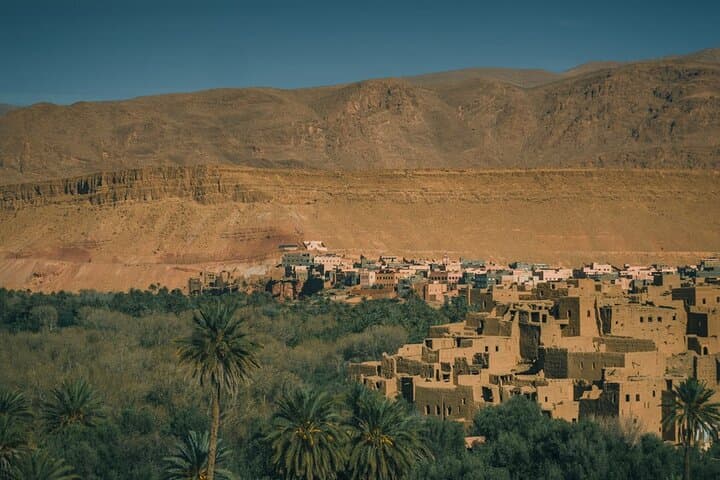
This route follows traditional caravan corridors past Ouarzazate and Ait Ben Haddou—old waypoints on trans-Saharan trade routes—and into the wide sands surrounding Erg Chigaga. Geologically the region is an interplay of ergs (sand seas), regs (stony plains) and intermittent wadis fed historically by the Draa River; culturally it’s the domain of nomadic families whose livelihoods still hinge on wells, date palms and seasonal grazing.
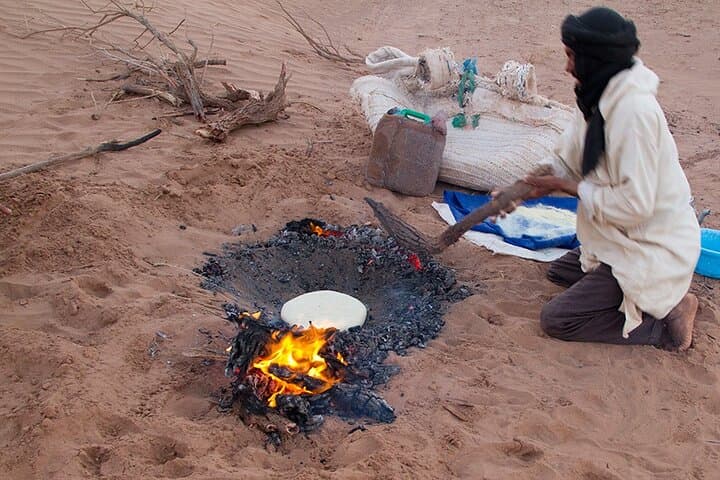
Expect daily movement paced for comfort: mornings and late afternoons on camel or foot, with shaded lunches and nights in fixed and nomadic camps under open sky. Temperatures swing dramatically—hot days and cool nights—so layer. Guides from M’hamid El Ghizlane handle navigation, water logistics and camp setup; your role is to travel light, hydrate steadily and treat wells and pastures with respect.
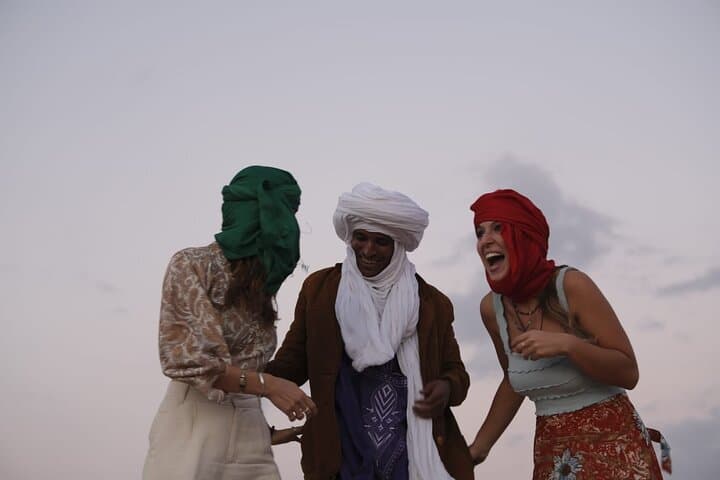
Practical notes: pack sun protection, a wide scarf for sand, sturdy footwear for dune edges, and a small day pack for essentials. Aim to arrive in Marrakech a day early to acclimatize and settle logistics; leave a spare day at the end in case of weather delays. The experience is equal parts desert travel and cultural exchange: slow, elemental, and organized for accessibility while honoring nomadic rhythms.
moderate.
7 days.
Suitable for travelers who can walk 3–4 hours a day and sit on a saddle for similar stretches; basic endurance advised.
Each day alternates between camel legs and on-foot sections; expect roughly 3–4 hours of movement daily distributed between riding and walking depending on terrain.
Nights alternate between fixed camps with basic facilities and nomadic-style desert camps; expect mattresses, blankets, communal dining and simple tented sleeping under the stars.
No—local guides provide instruction and camels are handled by caravan staff; basic balance and willingness to mount/dismount is helpful.
Meals (breakfast, lunch, dinner) are included each day; potable water for drinking is managed by the guides—carry personal bottles for daytime use.
The Draa Valley and routes toward Erg Chigaga were traditional caravan arteries linking sub-Saharan trade networks to northern Morocco; nearby ksars like Ait Ben Haddou mark those historical trade and film-making crossroads.
The Sahara’s fragile soils and scarce water mean camps operate with limited footprint—stick to established tracks, avoid disturbing plants and pack out waste to protect oasis resources.
Z Marrakch Travel operates guided outdoor trips and adventures with an emphasis on safety, stewardship, and memorable experiences.
A slow, sand-sifted dawn pulls you awake on the first day as a caravan lines up beyond the palm grove. The city’s bustle peels away on the drive across the High Atlas via Tizi n’Tichka; by evening you’ve crossed into the Draa Valley and the road drops away to wind-scoured tracks. Camels kneel like patient ships and the desert accepts you: wind tracing the dunes, tamarisks offering shade, and a sky so clean the stars feel within reach.
A slow, sand-sifted dawn pulls you awake on the first day as a caravan lines up beyond the palm grove. The city’s bustle peels away on the drive across the High Atlas via Tizi n’Tichka; by evening you’ve crossed into the Draa Valley and the road drops away to wind-scoured tracks. Camels kneel like patient ships and the desert accepts you: wind tracing the dunes, tamarisks offering shade, and a sky so clean the stars feel within reach.
This route follows traditional caravan corridors past Ouarzazate and Ait Ben Haddou—old waypoints on trans-Saharan trade routes—and into the wide sands surrounding Erg Chigaga. Geologically the region is an interplay of ergs (sand seas), regs (stony plains) and intermittent wadis fed historically by the Draa River; culturally it’s the domain of nomadic families whose livelihoods still hinge on wells, date palms and seasonal grazing.
Expect daily movement paced for comfort: mornings and late afternoons on camel or foot, with shaded lunches and nights in fixed and nomadic camps under open sky. Temperatures swing dramatically—hot days and cool nights—so layer. Guides from M’hamid El Ghizlane handle navigation, water logistics and camp setup; your role is to travel light, hydrate steadily and treat wells and pastures with respect.
Practical notes: pack sun protection, a wide scarf for sand, sturdy footwear for dune edges, and a small day pack for essentials. Aim to arrive in Marrakech a day early to acclimatize and settle logistics; leave a spare day at the end in case of weather delays. The experience is equal parts desert travel and cultural exchange: slow, elemental, and organized for accessibility while honoring nomadic rhythms.