THE ADVENTURE COLLECTIVE® · Independent discovery and booking for outdoor travel

A seven‑day luxury tour that pairs Phnom Penh, Siem Reap and Battambang with immersive culinary lessons, market walks, and key heritage sites. Perfect for travelers who want meals to explain a place, not just feed them.
A seven‑day luxury tour that pairs Phnom Penh, Siem Reap and Battambang with immersive culinary lessons, market walks, and key heritage sites. Perfect for travelers who want meals to explain a place, not just feed them.
You arrive at the river in Phnom Penh just as late light slants off the Mekong; boats scoot past like paper notes in an open hand and the river dares you to follow its trade routes inland.
Verified experiences and guided adventures in the surrounding area.
Operated by Authentic Food Tours : Southeast Asia Bites and Activities · Phnom Penh, Phnom Penh
You arrive at the river in Phnom Penh just as late light slants off the Mekong; boats scoot past like paper notes in an open hand and the river dares you to follow its trade routes inland.
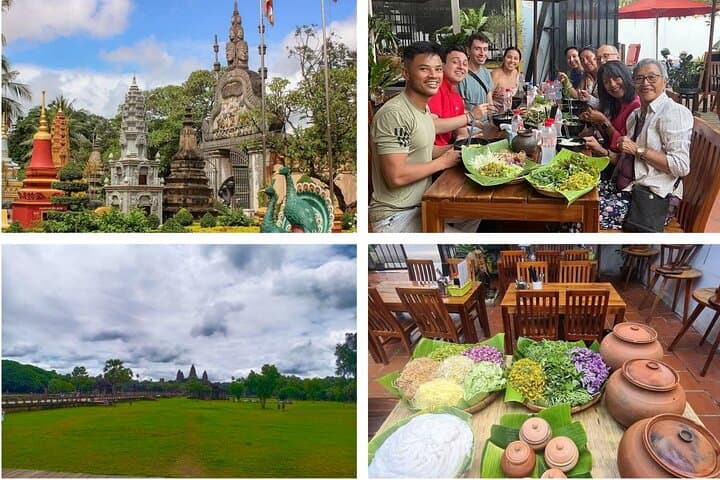
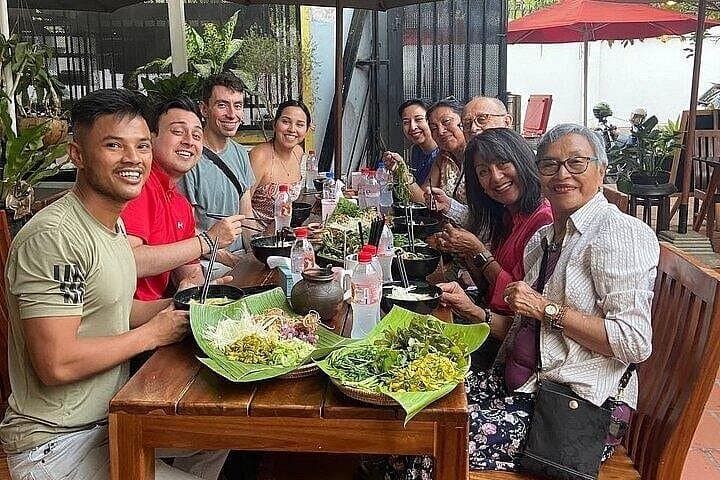
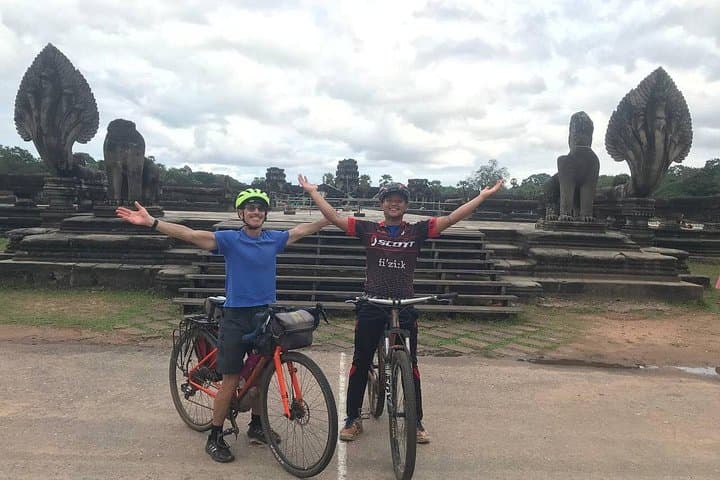
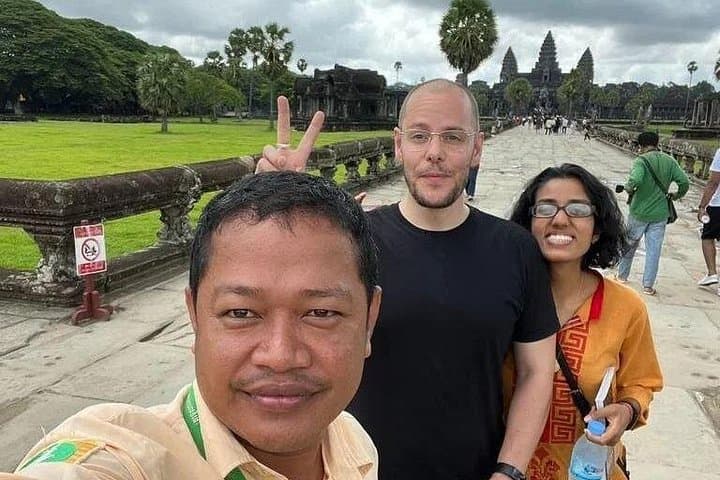
This seven‑day itinerary rolls between three urban centers—Phnom Penh’s colonial boulevards and Khmer Rouge memorials, Siem Reap’s stone forest of Angkor, and Battambang’s low‑lying rice plains and bamboo trains. Expect guided museum visits (Tuol Sleng, Choeung Ek), market trips to Phsar Thmei, a hands‑on cooking class, and a floating‑village excursion on Tonlé Sap—each stop chosen to connect food, history and local craft.
Geologically the region is flat alluvium fed by the Mekong and Tonlé Sap; the seasonal pulse of flood and dry season shapes local crops and flavors. Culturally, meals tell the story of Khmer resilience: French influences at cafés, rice‑centric home cooking, and temple festivals that mark the agricultural calendar.
Practical notes: the pace is relaxed but active—expect multi‑hour days with walking, market browsing and a morning or two at archaeological sites. Bring breathable clothing for humid days, modest attire for temples, and good walking shoes for uneven temple stones.
Timing matters—dry season (Nov–Feb) has cooler mornings for Angkor at sunrise, while the wet months swell the rivers and intensify freshwater produce. Hydrate frequently, carry sunscreen, and leave room in your bag for spices and a jar of prahok paste to bring home.
easy.
7 days.
Suitable for travelers in normal walking condition; expect several days with 2–4 hours of walking and some uneven ground at temples and markets.
Private transportation between scheduled tour hotels is included; confirm your arrival details at booking so pickup can be arranged.
Yes—Angkor Park admission is included as part of the itinerary when visiting Siem Reap days.
The itinerary notes infant seats available and is rated easy; however, some memorial sites can be emotionally heavy for young children.
Guides can accommodate common dietary needs—notify special requirements in advance so menus and cooking classes can be adapted.
The route threads Khmer Empire ruins around Angkor, French colonial architecture in Phnom Penh, and recent history at Tuol Sleng and Choeung Ek—sites that shape modern Cambodian identity.
Support local producers and guided community tours, avoid single‑use plastics, and follow site rules to protect fragile temple masonry and wetland habitats.
Authentic Food Tours : Southeast Asia Bites and Activities operates guided outdoor trips and adventures with an emphasis on safety, stewardship, and memorable experiences.
You arrive at the river in Phnom Penh just as late light slants off the Mekong; boats scoot past like paper notes in an open hand and the river dares you to follow its trade routes inland.
You arrive at the river in Phnom Penh just as late light slants off the Mekong; boats scoot past like paper notes in an open hand and the river dares you to follow its trade routes inland.
This seven‑day itinerary rolls between three urban centers—Phnom Penh’s colonial boulevards and Khmer Rouge memorials, Siem Reap’s stone forest of Angkor, and Battambang’s low‑lying rice plains and bamboo trains. Expect guided museum visits (Tuol Sleng, Choeung Ek), market trips to Phsar Thmei, a hands‑on cooking class, and a floating‑village excursion on Tonlé Sap—each stop chosen to connect food, history and local craft.
Geologically the region is flat alluvium fed by the Mekong and Tonlé Sap; the seasonal pulse of flood and dry season shapes local crops and flavors. Culturally, meals tell the story of Khmer resilience: French influences at cafés, rice‑centric home cooking, and temple festivals that mark the agricultural calendar.
Practical notes: the pace is relaxed but active—expect multi‑hour days with walking, market browsing and a morning or two at archaeological sites. Bring breathable clothing for humid days, modest attire for temples, and good walking shoes for uneven temple stones.
Timing matters—dry season (Nov–Feb) has cooler mornings for Angkor at sunrise, while the wet months swell the rivers and intensify freshwater produce. Hydrate frequently, carry sunscreen, and leave room in your bag for spices and a jar of prahok paste to bring home.