THE ADVENTURE COLLECTIVE® · Independent discovery and booking for outdoor travel

Experience Cambodia’s highlights in seven days: sunrise at Angkor Wat, the haunting history of Phnom Penh, rural life in Battambang, and the flooded villages of Tonle Sap. This guided route balances monumental temples with local culture and practical tips for timing, gear, and etiquette.
Experience Cambodia’s highlights in seven days: sunrise at Angkor Wat, the haunting history of Phnom Penh, rural life in Battambang, and the flooded villages of Tonle Sap. This guided route balances monumental temples with local culture and practical tips for timing, gear, and etiquette.
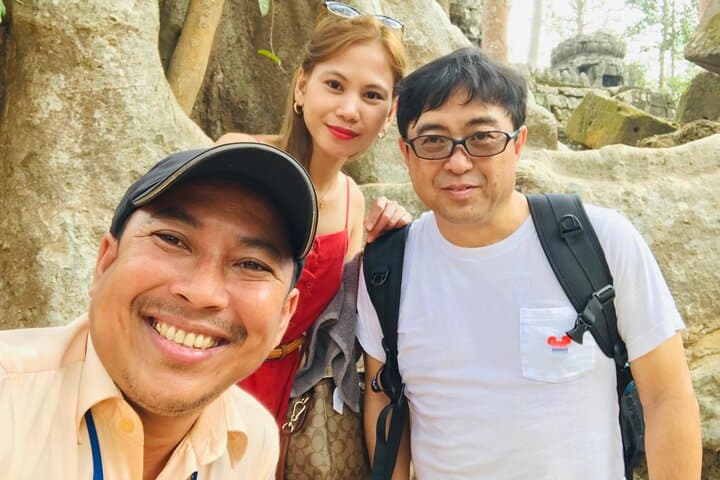
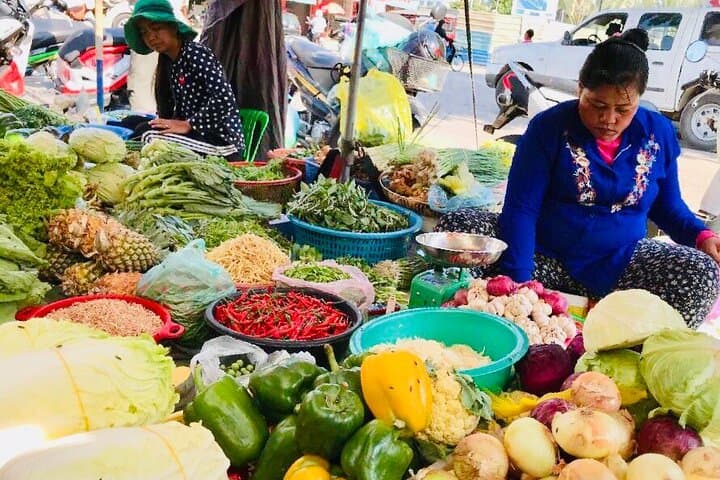
Morning mist lifts off the moat as you stand before Angkor Wat at sunrise — sandstone towers silhouette themselves slowly against the widening sky. The air is already warm; vendors light fires and bicycles hum along dusty lanes. Over seven days you move from Phnom Penh’s riverfront to Battambang’s rice plains and the dense, root-woven corridors of Ta Prohm, each scene offering a different rhythm of Cambodia.
Verified experiences and guided adventures in the surrounding area.
Operated by Hok Cambodia Journeys · Siem Reap, Siem Reap Province
Morning mist lifts off the moat as you stand before Angkor Wat at sunrise — sandstone towers silhouette themselves slowly against the widening sky. The air is already warm; vendors light fires and bicycles hum along dusty lanes. Over seven days you move from Phnom Penh’s riverfront to Battambang’s rice plains and the dense, root-woven corridors of Ta Prohm, each scene offering a different rhythm of Cambodia.
This route traces the arc of the Khmer Empire and modern Cambodia: royal courts at the Royal Palace, the brutal memory at Tuol Sleng and Choeung Ek, then the layered ruins of Angkor (Angkor Thom, Bayon, Ta Prohm, Phnom Bakheng). Geologically the region is low-lying alluvium, carved by the Mekong and Tonle Sap’s seasonal pulse; the lake swells and retreats, literally moving whole villages on stilts.
Culturally you’ll meet rice farmers, potters, and boatmen whose livelihoods still follow the floods. Local guides translate stone bas-reliefs and point out iconography that marks Hindu and Buddhist transitions.
Practical guidance: schedule temple sunrise and sunset slots early to avoid mid-day heat and crowds; expect short, uneven stone walks (0.5–3 km between major features) and some steep temple steps that require steady footing. Carry 2–3 liters of water, wear closed-toe walking shoes with good grip, and dress respectfully for temple visits (shoulders and knees covered). Plan cash for small vendors and modest tipping; bring a rain layer during monsoon months. Expect comfortable hotel transfers by AC vehicle and light daily walking rather than strenuous treks—this is cultural exploration with an outdoors edge.
moderate.
7 days.
Light to moderate fitness; expect several hours of walking per day on uneven stone surfaces and some short uphill climbs to viewpoints.
This tour notes that all entrance fees are included—confirm on booking and carry your ticket pass for Angkor complex access.
Yes—this private tour is paced for a wide age range, but anticipate uneven steps and some long coach transfers; discuss mobility needs with the operator.
US dollars and Cambodian riel are commonly accepted; carry small bills for food stalls and tips, and use ATMs in major towns as backup.
Check current travel health advice for Cambodia and secure an e‑visa or visa on arrival as required; consult your embassy or travel clinic before departure.
The itinerary moves through sites central to the Khmer Empire (9th–15th centuries) and also visits modern history landmarks in Phnom Penh tied to the Khmer Rouge era.
Tonle Sap is a UNESCO Biosphere Reserve; travel can impact fragile aquatic ecosystems—choose guided boat operators who follow local regulations and avoid disturbing nesting or fishing sites.
Hok Cambodia Journeys operates guided outdoor trips and adventures with an emphasis on safety, stewardship, and memorable experiences.
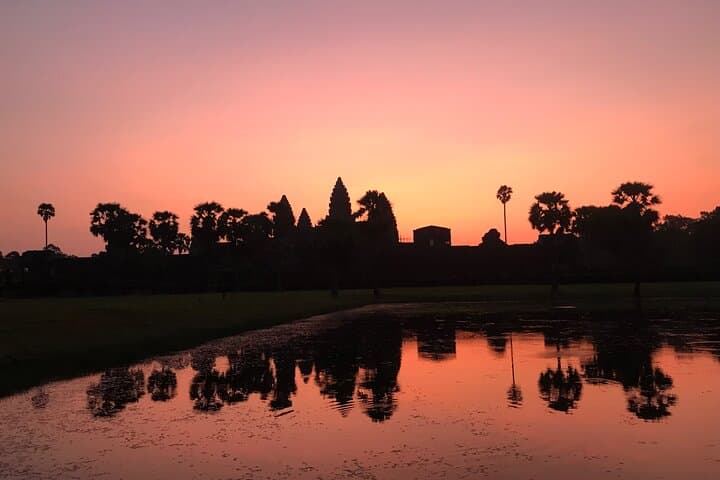
Morning mist lifts off the moat as you stand before Angkor Wat at sunrise — sandstone towers silhouette themselves slowly against the widening sky. The air is already warm; vendors light fires and bicycles hum along dusty lanes. Over seven days you move from Phnom Penh’s riverfront to Battambang’s rice plains and the dense, root-woven corridors of Ta Prohm, each scene offering a different rhythm of Cambodia.
Morning mist lifts off the moat as you stand before Angkor Wat at sunrise — sandstone towers silhouette themselves slowly against the widening sky. The air is already warm; vendors light fires and bicycles hum along dusty lanes. Over seven days you move from Phnom Penh’s riverfront to Battambang’s rice plains and the dense, root-woven corridors of Ta Prohm, each scene offering a different rhythm of Cambodia.
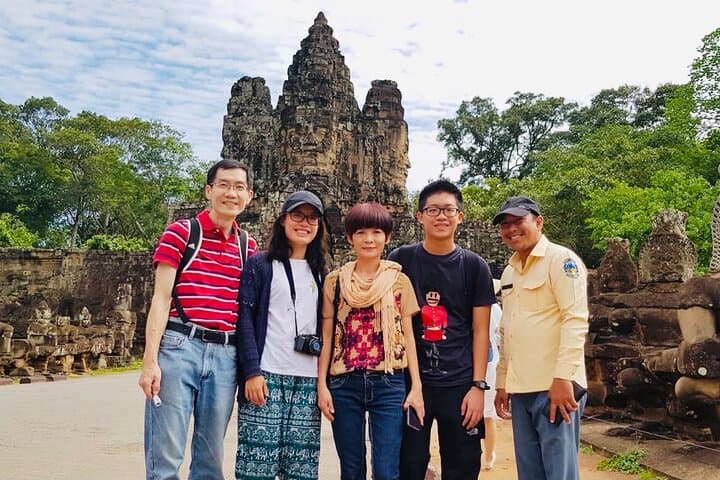
This route traces the arc of the Khmer Empire and modern Cambodia: royal courts at the Royal Palace, the brutal memory at Tuol Sleng and Choeung Ek, then the layered ruins of Angkor (Angkor Thom, Bayon, Ta Prohm, Phnom Bakheng). Geologically the region is low-lying alluvium, carved by the Mekong and Tonle Sap’s seasonal pulse; the lake swells and retreats, literally moving whole villages on stilts.
Culturally you’ll meet rice farmers, potters, and boatmen whose livelihoods still follow the floods. Local guides translate stone bas-reliefs and point out iconography that marks Hindu and Buddhist transitions.
Practical guidance: schedule temple sunrise and sunset slots early to avoid mid-day heat and crowds; expect short, uneven stone walks (0.5–3 km between major features) and some steep temple steps that require steady footing. Carry 2–3 liters of water, wear closed-toe walking shoes with good grip, and dress respectfully for temple visits (shoulders and knees covered). Plan cash for small vendors and modest tipping; bring a rain layer during monsoon months. Expect comfortable hotel transfers by AC vehicle and light daily walking rather than strenuous treks—this is cultural exploration with an outdoors edge.