THE ADVENTURE COLLECTIVE® · Independent discovery and booking for outdoor travel

This seven-day overland expedition links La Paz with the salt flats of Uyuni via Sucre and Potosí, mixing colonial history, high‑altitude geology and desert wildlife. Expect long drives, dramatic photo ops, and basic but memorable lodging on the altiplano.
This seven-day overland expedition links La Paz with the salt flats of Uyuni via Sucre and Potosí, mixing colonial history, high‑altitude geology and desert wildlife. Expect long drives, dramatic photo ops, and basic but memorable lodging on the altiplano.
A cold wind cuts across the altiplano as a convoy of buses eases out of La Paz, the city clinging to a steep bowl of houses. Over seven days travelers move between white salt deserts and red lagoons, through colonial plazas and into the low, dim galleries of Cerro Rico. The landscape alternates quickly: cobbled streets and red-tile roofs give way to black volcanic outcrops and an ocean of salt that dazzles like driven snow.
Verified experiences and guided adventures in the surrounding area.
Operated by Andes 2 Amazon · La Paz, La Paz
A cold wind cuts across the altiplano as a convoy of buses eases out of La Paz, the city clinging to a steep bowl of houses. Over seven days travelers move between white salt deserts and red lagoons, through colonial plazas and into the low, dim galleries of Cerro Rico. The landscape alternates quickly: cobbled streets and red-tile roofs give way to black volcanic outcrops and an ocean of salt that dazzles like driven snow.
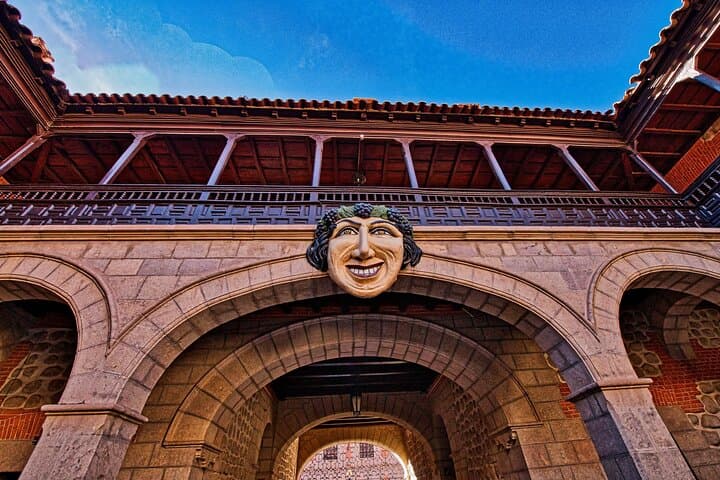
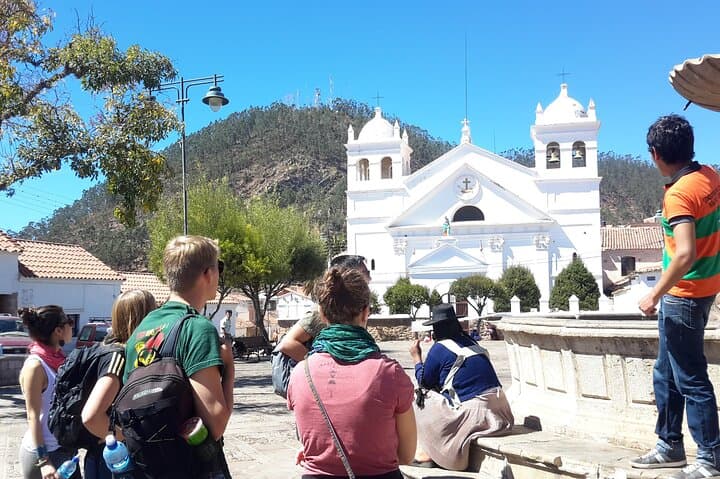
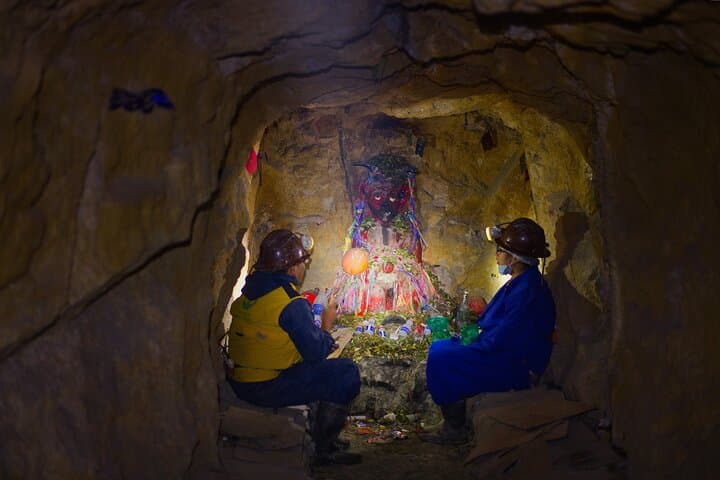
Sucre’s compact plazas tell the story of Bolivia’s independence and colonial silver wealth, while Potosí’s Cerro Rico still exhales the history of centuries of mining. The Salar de Uyuni is a recent geological product — a dried prehistoric lake whose salt crust forms vast geometric polygons and reflects the sky in the wet season. Southward, Eduardo Avaroa Reserve stages flamingos and mineral-rich lagoons beneath high volcanoes, and the Sol de Mañana geothermal field vents steam in the predawn cold.
Practicalities shape the trip: long road stretches at high altitude, early starts and basic lodgings on the plateau. Acclimatize in La Paz or Sucre, carry layered clothing for 200–30°C swings, and plan for dusty, bumpy roads. Bring cash for remote villages, keep passports handy for border zones, and expect periods without power. Photographic opportunities are abundant — from the Train Cemetery to Incahuasi Island’s giant cacti — but respect fragile surfaces and local communities. With sensible preparation this route delivers a concentrated view of Bolivia’s geology, culture, and landscapes in one compact week.
challenging.
7 days.
Moderate to fit: capable of several hours walking at altitude and tolerating long vehicle transfers.
Altitude is the main risk—La Paz, Potosí and many sites exceed 3,500m; allow time to acclimatize, hydrate, avoid alcohol and consult a doctor about meds like acetazolamide if you have previous issues.
Standard 3‑star hotels are used in cities; out on the altiplano expect basic lodges or salt-hostels, limited electricity and simple meals—bring snacks if you prefer.
Plastic works in major towns but remote areas and small vendors prefer cash; carry Bolivianos and a small amount of USD for emergency.
Not recommended for pregnant travelers or people with serious cardiovascular or spinal conditions due to altitude and rough transport; check operator policies for children.
Potosí’s Cerro Rico fueled Spanish wealth for centuries; Sucre served as an early republican capital and preserves colonial architecture.
The salt flats and high Andean wetlands are fragile—avoid driving off established routes, pack out waste, and support local guides who follow low-impact practices.
Andes 2 Amazon operates guided outdoor trips and adventures with an emphasis on safety, stewardship, and memorable experiences.

A cold wind cuts across the altiplano as a convoy of buses eases out of La Paz, the city clinging to a steep bowl of houses. Over seven days travelers move between white salt deserts and red lagoons, through colonial plazas and into the low, dim galleries of Cerro Rico. The landscape alternates quickly: cobbled streets and red-tile roofs give way to black volcanic outcrops and an ocean of salt that dazzles like driven snow.
A cold wind cuts across the altiplano as a convoy of buses eases out of La Paz, the city clinging to a steep bowl of houses. Over seven days travelers move between white salt deserts and red lagoons, through colonial plazas and into the low, dim galleries of Cerro Rico. The landscape alternates quickly: cobbled streets and red-tile roofs give way to black volcanic outcrops and an ocean of salt that dazzles like driven snow.
Sucre’s compact plazas tell the story of Bolivia’s independence and colonial silver wealth, while Potosí’s Cerro Rico still exhales the history of centuries of mining. The Salar de Uyuni is a recent geological product — a dried prehistoric lake whose salt crust forms vast geometric polygons and reflects the sky in the wet season. Southward, Eduardo Avaroa Reserve stages flamingos and mineral-rich lagoons beneath high volcanoes, and the Sol de Mañana geothermal field vents steam in the predawn cold.
Practicalities shape the trip: long road stretches at high altitude, early starts and basic lodgings on the plateau. Acclimatize in La Paz or Sucre, carry layered clothing for 200–30°C swings, and plan for dusty, bumpy roads. Bring cash for remote villages, keep passports handy for border zones, and expect periods without power. Photographic opportunities are abundant — from the Train Cemetery to Incahuasi Island’s giant cacti — but respect fragile surfaces and local communities. With sensible preparation this route delivers a concentrated view of Bolivia’s geology, culture, and landscapes in one compact week.