THE ADVENTURE COLLECTIVE® · Independent discovery and booking for outdoor travel

A seven-day loop from Lima’s coastal buzz to the highland terraces of the Sacred Valley and the singular stone city of Machu Picchu. This practical guide explains what to expect—altitude, timing, transport and the cultural highlights that make Peru more than a photo stop.
A seven-day loop from Lima’s coastal buzz to the highland terraces of the Sacred Valley and the singular stone city of Machu Picchu. This practical guide explains what to expect—altitude, timing, transport and the cultural highlights that make Peru more than a photo stop.
You step down from the late-afternoon train into Aguas Calientes; humid air lifts the scent of coffee and eucalyptus while the silhouette of Machu Picchu perches above like a stone memory daring you to climb.
Verified experiences and guided adventures in the surrounding area.
Operated by Pingan First Travel · Cusco, Cusco Region
You step down from the late-afternoon train into Aguas Calientes; humid air lifts the scent of coffee and eucalyptus while the silhouette of Machu Picchu perches above like a stone memory daring you to climb.
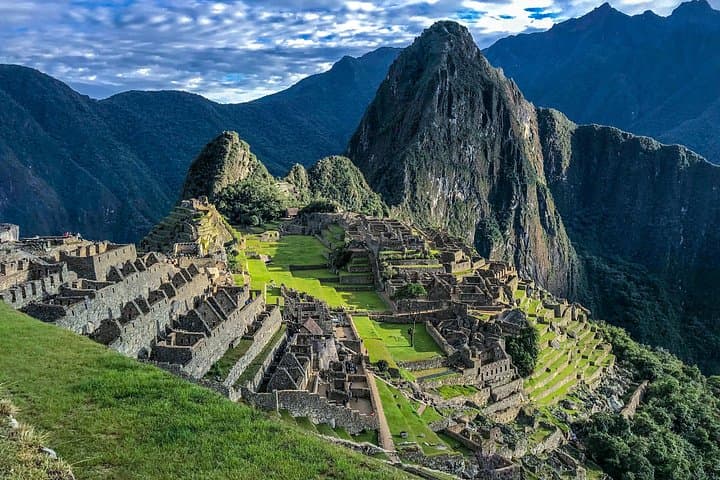
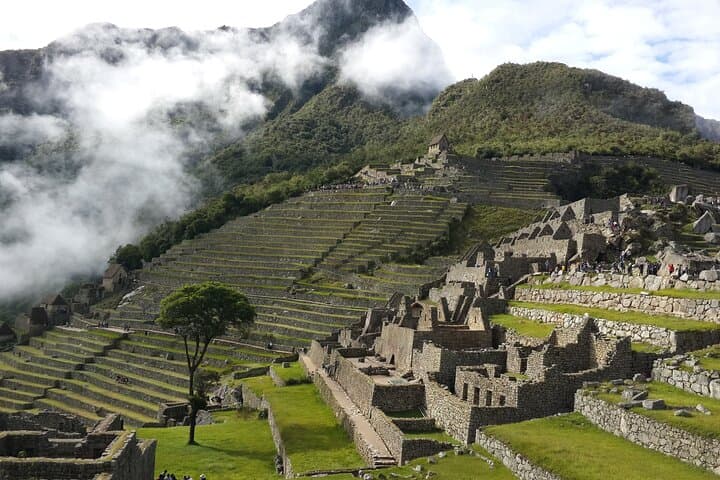
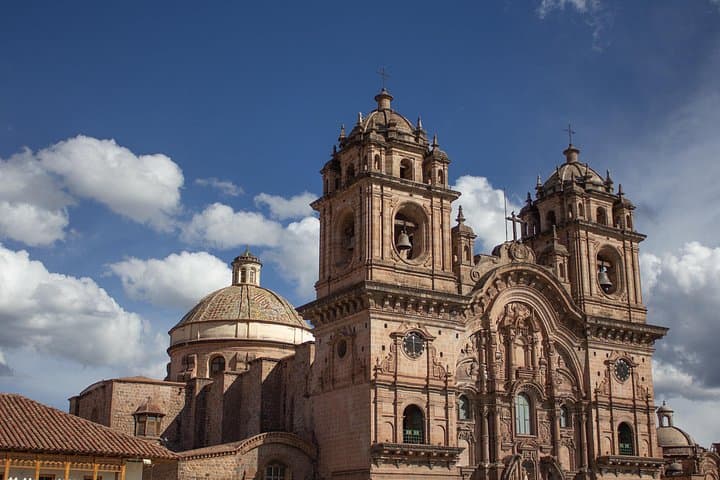
This seven-day itinerary threads Lima’s colonial plazas and coastal markets with the highland geometry of Cusco and the Sacred Valley. Machu Picchu itself occupies a steep granitic ridge formed by Andean uplift and river incision—the citadel’s finely cut stones and agricultural terraces reflect Inca engineering that married geology to food production. Along the way you’ll pass pre-Columbian temples, colonial churches and living textile traditions in Pisac and Ollantaytambo.
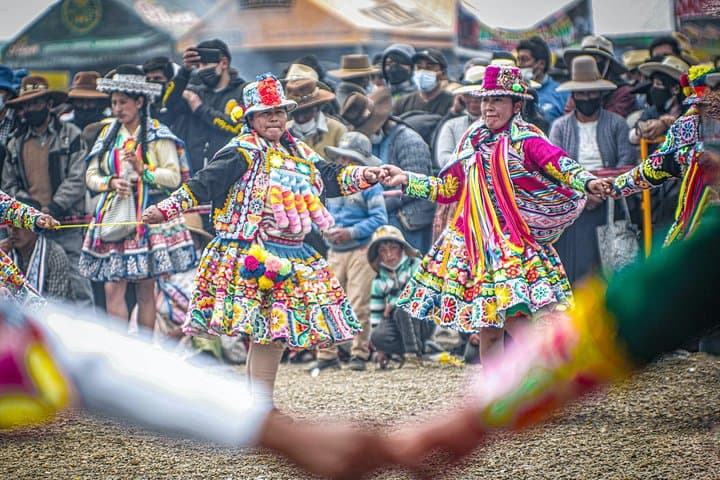
Cultural notes: Cusco was the administrative heart of the Inca empire; local communities still weave using ancestral patterns and maintain festivals tied to the agricultural calendar. Expect small-town markets, pisco tastings in Ica and a spectrum of cuisines from Lima’s seafood to highland stews.
Practical guidance: allow 48 hours to acclimatize in Cusco (3,400 m) before strenuous activity. Train and timed-entry tickets to Machu Picchu are required—book in advance. Wear grippy shoes for uneven stone paths, pack a waterproof layer for afternoon showers (especially Nov–Mar), and carry electrolytes: the day includes bus rides, a guided walking tour of the citadel (about 2–4 hours active) and moderate walking in cobbled towns. Mornings are cooler and clearer—early entrances reward you with softer light and fewer crowds. Be prepared for altitude shifts, keep to park rules, and bring cash for small purchases in villages.
moderate.
7 days.
Suitable for travelers in good general health who can handle multiple days of walking on uneven ground and short altitude gains.
No extreme fitness is required for the main Machu Picchu circuit, but expect uneven stairs and 2–4 hours of walking; acclimatize in Cusco to reduce breathlessness.
Most itineraries combine a bus or car transfer to Ollantaytambo, then a scenic train to Aguas Calientes, followed by a short bus ride up to Machu Picchu’s entrance.
The dry season (May–September) offers clearer skies and firmer trails, while the wet season (Dec–Mar) has fewer tourists but more rain-related delays.
This tour includes a guided visit to Machu Picchu, but confirm whether entrance tickets and timed slots are explicitly covered when booking—some operators require separate reservations.
Cusco was the administrative and ceremonial heart of the Inca Empire; Machu Picchu likely served as an elite estate and ritual center in the 15th century.
Visitor limits and timed entries at Machu Picchu aim to reduce erosion and crowding; stick to marked paths, respect local communities and avoid single-use plastics where possible.
Pingan First Travel operates guided outdoor trips and adventures with an emphasis on safety, stewardship, and memorable experiences.
You step down from the late-afternoon train into Aguas Calientes; humid air lifts the scent of coffee and eucalyptus while the silhouette of Machu Picchu perches above like a stone memory daring you to climb.
You step down from the late-afternoon train into Aguas Calientes; humid air lifts the scent of coffee and eucalyptus while the silhouette of Machu Picchu perches above like a stone memory daring you to climb.
This seven-day itinerary threads Lima’s colonial plazas and coastal markets with the highland geometry of Cusco and the Sacred Valley. Machu Picchu itself occupies a steep granitic ridge formed by Andean uplift and river incision—the citadel’s finely cut stones and agricultural terraces reflect Inca engineering that married geology to food production. Along the way you’ll pass pre-Columbian temples, colonial churches and living textile traditions in Pisac and Ollantaytambo.
Cultural notes: Cusco was the administrative heart of the Inca empire; local communities still weave using ancestral patterns and maintain festivals tied to the agricultural calendar. Expect small-town markets, pisco tastings in Ica and a spectrum of cuisines from Lima’s seafood to highland stews.
Practical guidance: allow 48 hours to acclimatize in Cusco (3,400 m) before strenuous activity. Train and timed-entry tickets to Machu Picchu are required—book in advance. Wear grippy shoes for uneven stone paths, pack a waterproof layer for afternoon showers (especially Nov–Mar), and carry electrolytes: the day includes bus rides, a guided walking tour of the citadel (about 2–4 hours active) and moderate walking in cobbled towns. Mornings are cooler and clearer—early entrances reward you with softer light and fewer crowds. Be prepared for altitude shifts, keep to park rules, and bring cash for small purchases in villages.