THE ADVENTURE COLLECTIVE® · Independent discovery and booking for outdoor travel

Traverse Ecuador’s highlands and cloud forests in seven days: waterfalls and hummingbirds in Mindo, artisan markets in Otavalo, a boat trip on Cuicocha, and the thermal soothe of Papallacta. This itinerary balances short hikes with cultural immersion and significant altitude changes.
Traverse Ecuador’s highlands and cloud forests in seven days: waterfalls and hummingbirds in Mindo, artisan markets in Otavalo, a boat trip on Cuicocha, and the thermal soothe of Papallacta. This itinerary balances short hikes with cultural immersion and significant altitude changes.
You arrive in Quito as the valley exhales evening mist, the city lights ringing the slopes of Pichincha. Over seven days you move between ecosystems as if flipping pages: cloud forest canopies that drip with moss, the bright market squares of Otavalo, a silent crater lake ringed by wind-sculpted páramo and the steam of Papallacta’s hot springs warming your fingers.
Verified experiences and guided adventures in the surrounding area.
Operated by Adventure Journeys · Quito, Pichincha
You arrive in Quito as the valley exhales evening mist, the city lights ringing the slopes of Pichincha. Over seven days you move between ecosystems as if flipping pages: cloud forest canopies that drip with moss, the bright market squares of Otavalo, a silent crater lake ringed by wind-sculpted páramo and the steam of Papallacta’s hot springs warming your fingers.
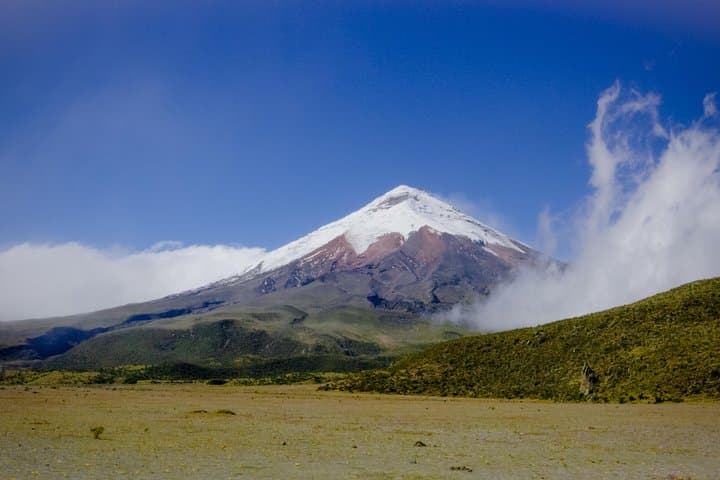
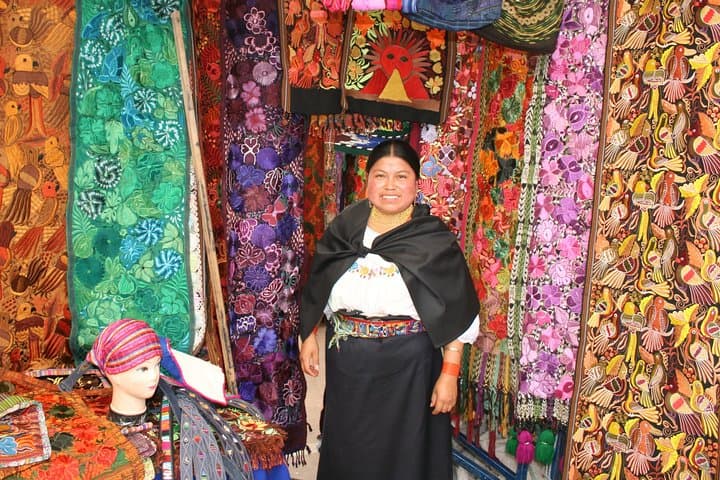
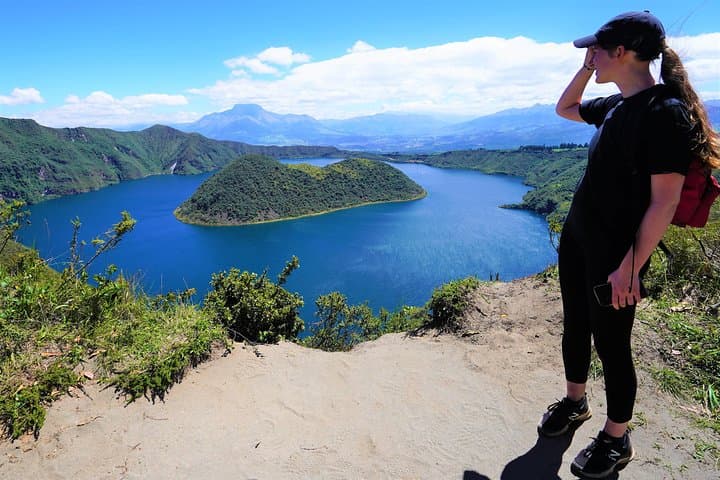
This route threads through Ecuador’s geological youth—active volcanoes like Cotopaxi and Cuicocha’s caldera formed by violent eruptions—and a cultural landscape shaped by Andean communities and pre-Columbian trade routes. In Mindo, hummingbirds thread bright stitches through the fog; in Otavalo, indigenous artisans continue textile traditions passed down generations, selling handwoven ponchos and alpaca scarves in a market as old as the plaza’s cobbles.
Expect short, sometimes steep hikes (trail surfaces range from packed dirt to slick rocks), short boat rides on crater waters and light cultural work like a shared organic lunch with local families. Elevation swings are significant: the itinerary moves from roughly 1,500 m to near 4,000 m, so patience with breath and pace matters more than technical skill.
Practical edge: pack layerable clothing for cold, sunny, and wet conditions; carry water and altitude-paced snacks; use sturdy treaded footwear and a small daypack for essentials. Travel windows early and late in the day give the best light for birdwatching or crater panorama photography, and local guides are crucial—both for safe acclimatization and for unlocking the stories behind the landscapes you cross.
moderate.
7 days.
Suitable for travelers with basic fitness who can handle daily walks of 2–4 hours and altitude changes; allow for rest and slower pace.
Some participants experience mild symptoms above 2,500–3,000 m; the itinerary builds in acclimatization time—move slowly, hydrate, and inform guides of any severe symptoms.
Daily activities include short to moderate hikes (2–4 hours) on mixed terrain; no technical climbing is required but good balance and stable footwear help.
Most breakfasts and some lunches are included; inform the operator of allergies or restrictions in advance so guides and hosts can accommodate you.
The program lists wheelchair accessibility for some services, but certain hikes, uneven terrain and boat rides may be unsuitable—discuss specific needs with the operator before booking.
The route follows long-established Andean corridors where indigenous markets like Otavalo have traded textiles and goods for centuries, preserving craft techniques and community customs.
Local operators emphasize recycling and support fair-trade coffee and community-led tourism; stick to marked trails and avoid single-use plastics to reduce your footprint.
Adventure Journeys operates guided outdoor trips and adventures with an emphasis on safety, stewardship, and memorable experiences.
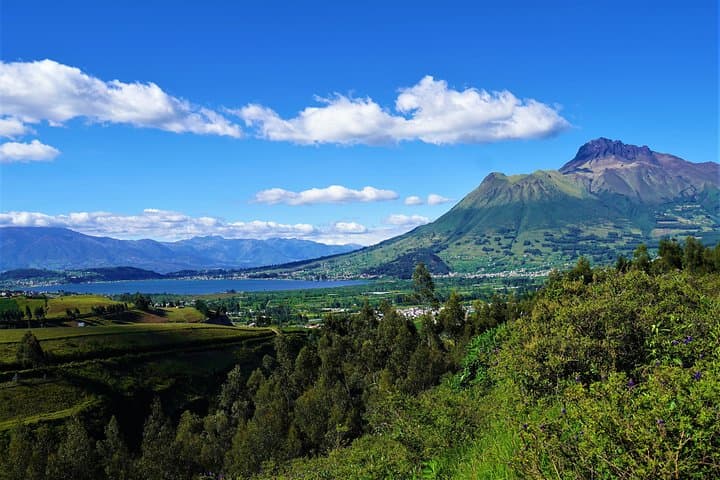
You arrive in Quito as the valley exhales evening mist, the city lights ringing the slopes of Pichincha. Over seven days you move between ecosystems as if flipping pages: cloud forest canopies that drip with moss, the bright market squares of Otavalo, a silent crater lake ringed by wind-sculpted páramo and the steam of Papallacta’s hot springs warming your fingers.
You arrive in Quito as the valley exhales evening mist, the city lights ringing the slopes of Pichincha. Over seven days you move between ecosystems as if flipping pages: cloud forest canopies that drip with moss, the bright market squares of Otavalo, a silent crater lake ringed by wind-sculpted páramo and the steam of Papallacta’s hot springs warming your fingers.
This route threads through Ecuador’s geological youth—active volcanoes like Cotopaxi and Cuicocha’s caldera formed by violent eruptions—and a cultural landscape shaped by Andean communities and pre-Columbian trade routes. In Mindo, hummingbirds thread bright stitches through the fog; in Otavalo, indigenous artisans continue textile traditions passed down generations, selling handwoven ponchos and alpaca scarves in a market as old as the plaza’s cobbles.
Expect short, sometimes steep hikes (trail surfaces range from packed dirt to slick rocks), short boat rides on crater waters and light cultural work like a shared organic lunch with local families. Elevation swings are significant: the itinerary moves from roughly 1,500 m to near 4,000 m, so patience with breath and pace matters more than technical skill.
Practical edge: pack layerable clothing for cold, sunny, and wet conditions; carry water and altitude-paced snacks; use sturdy treaded footwear and a small daypack for essentials. Travel windows early and late in the day give the best light for birdwatching or crater panorama photography, and local guides are crucial—both for safe acclimatization and for unlocking the stories behind the landscapes you cross.