THE ADVENTURE COLLECTIVE® · Independent discovery and booking for outdoor travel

A 6‑night, 7‑day cruise from Aswan to Luxor that pairs five‑star comfort with visits to Abu Simbel, Philae, Edfu, Kom Ombo and the Valley of the Kings. Expect early starts, guided walks through millennia-old temples and quiet island stops.
A 6‑night, 7‑day cruise from Aswan to Luxor that pairs five‑star comfort with visits to Abu Simbel, Philae, Edfu, Kom Ombo and the Valley of the Kings. Expect early starts, guided walks through millennia-old temples and quiet island stops.
The Nile slides past your cabin at dawn, reed beds brushing the hull while feluccas and fishing skiffs mark the river’s slow choreography. On this 6‑night, 7‑day cruise from Aswan to Luxor the boat becomes basecamp — a calm moving platform that delivers you to ancient stone, desert wind and small riverside communities.
Verified experiences and guided adventures in the surrounding area.
Operated by Dubai Holidays · Aswan, Aswan Governorate
The Nile slides past your cabin at dawn, reed beds brushing the hull while feluccas and fishing skiffs mark the river’s slow choreography. On this 6‑night, 7‑day cruise from Aswan to Luxor the boat becomes basecamp — a calm moving platform that delivers you to ancient stone, desert wind and small riverside communities.
You’ll trace Egypt’s living history: Philae’s island temple relocated to save it from the reservoir, the colossal, sun-facing statues of Abu Simbel, and the tomb-studded cliffs of the Valley of the Kings. Geologically the river corridor is a narrow ribbon of alluvial soil and granite outcrops — Aswan’s quarries supply unfinished obelisks, while sandstone temples downstream weather into their familiar warm hues.
Culturally, villages on both banks preserve Nubian crafts, market rhythms and banana groves that still feed Luxor’s island communities. Expect guides to read inscriptions, explain temple alignment with stars and point out construction techniques used by Ramesses and Hatshepsut.
Practical notes: cabins are five‑star comfortable but shore visits involve uneven temple steps, brief hikes and early starts for Abu Simbel and the balloon ride over Luxor. Bring sun protection and a small daypack, budget time for temple queues and water breaks, and carry local currency for small purchases. Plan for light walking shoes, hydration, and a flexible attitude — the Nile’s current sets the pace.
easy.
6 nights / 7 days.
Suitable for most fitness levels; some standing, short hikes and stairs at archaeological sites
Most visitors need a visa; many nationalities can obtain an e‑visa before travel or a stamp on arrival — check current Egyptian government requirements.
Balloon trips are typically an optional add-on arranged through local operators and may be included or optional depending on the cruise package; confirm at booking.
Many temples have stairs and uneven surfaces; transfers and some sites can be managed with assistance, but full accessibility is limited.
Egyptian pounds (EGP) are standard; tipping (baksheesh) is customary for guides, drivers and crew — carry small bills for this purpose.
The Nile corridor sustained pharaonic civilization for millennia; many temples on this route were aligned to celestial events and rebuilt across dynasties.
Visitors are encouraged to avoid touching reliefs, use refillable water bottles and support local community-run sites to reduce pressure on fragile monuments.
Dubai Holidays operates guided outdoor trips and adventures with an emphasis on safety, stewardship, and memorable experiences.
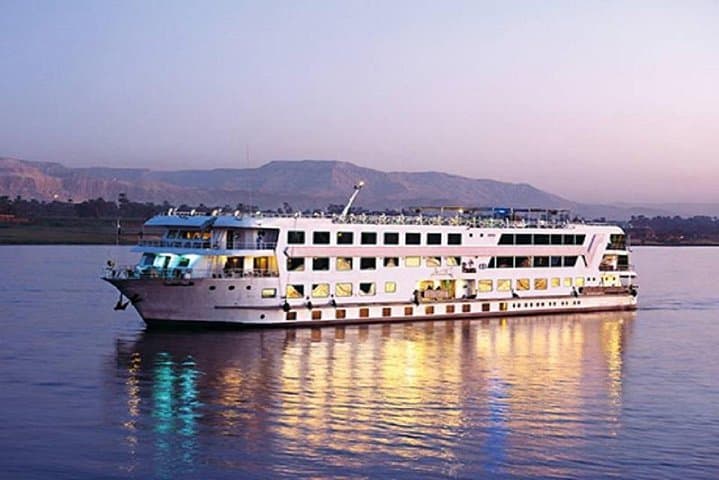
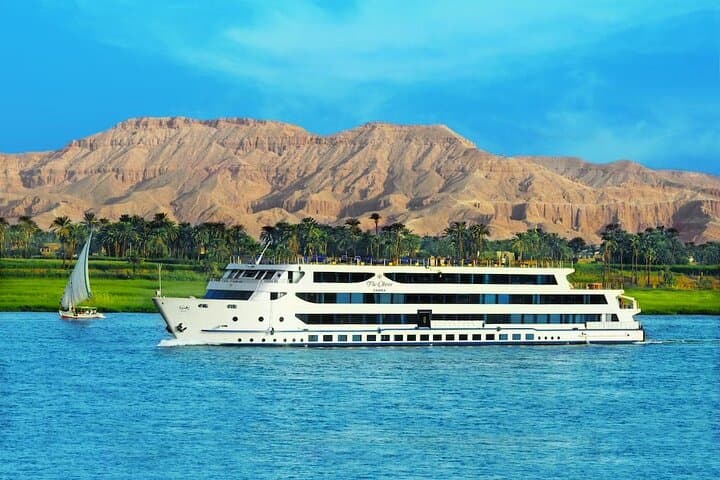
The Nile slides past your cabin at dawn, reed beds brushing the hull while feluccas and fishing skiffs mark the river’s slow choreography. On this 6‑night, 7‑day cruise from Aswan to Luxor the boat becomes basecamp — a calm moving platform that delivers you to ancient stone, desert wind and small riverside communities.
The Nile slides past your cabin at dawn, reed beds brushing the hull while feluccas and fishing skiffs mark the river’s slow choreography. On this 6‑night, 7‑day cruise from Aswan to Luxor the boat becomes basecamp — a calm moving platform that delivers you to ancient stone, desert wind and small riverside communities.
You’ll trace Egypt’s living history: Philae’s island temple relocated to save it from the reservoir, the colossal, sun-facing statues of Abu Simbel, and the tomb-studded cliffs of the Valley of the Kings. Geologically the river corridor is a narrow ribbon of alluvial soil and granite outcrops — Aswan’s quarries supply unfinished obelisks, while sandstone temples downstream weather into their familiar warm hues.
Culturally, villages on both banks preserve Nubian crafts, market rhythms and banana groves that still feed Luxor’s island communities. Expect guides to read inscriptions, explain temple alignment with stars and point out construction techniques used by Ramesses and Hatshepsut.
Practical notes: cabins are five‑star comfortable but shore visits involve uneven temple steps, brief hikes and early starts for Abu Simbel and the balloon ride over Luxor. Bring sun protection and a small daypack, budget time for temple queues and water breaks, and carry local currency for small purchases. Plan for light walking shoes, hydration, and a flexible attitude — the Nile’s current sets the pace.