THE ADVENTURE COLLECTIVE® · Independent discovery and booking for outdoor travel

A compact, high-gain trek that reaches Machhapuchhre and Annapurna Base Camp in seven days, combining village trails, rhododendron forests and high alpine scenery. Expect long walking days, teahouse lodgings, and dramatic mountain panoramas best seen in spring or autumn.
A compact, high-gain trek that reaches Machhapuchhre and Annapurna Base Camp in seven days, combining village trails, rhododendron forests and high alpine scenery. Expect long walking days, teahouse lodgings, and dramatic mountain panoramas best seen in spring or autumn.
A cold wind sweeps across the glacial amphitheater as you crest the final moraine and Annapurna Base Camp unfurls below — a bowl of stone, ice and jagged ridgelines that seem to hold the sky. Early mornings on the trail mean the mountains arrive first: first light on Machhapuchhre’s knife-edge, then Annapurna South and Gangapurna showing themselves in slow relief.
Verified experiences and guided adventures in the surrounding area.
Operated by Shishu Tours & Travel · Pokhara, Gandaki Province
A cold wind sweeps across the glacial amphitheater as you crest the final moraine and Annapurna Base Camp unfurls below — a bowl of stone, ice and jagged ridgelines that seem to hold the sky. Early mornings on the trail mean the mountains arrive first: first light on Machhapuchhre’s knife-edge, then Annapurna South and Gangapurna showing themselves in slow relief.
This seven-day itinerary runs Pokhara–Nayapul–Ghandruk and climbs through rhododendron forest, terraced villages and high alpine meadows to Machhapuchhre (MBC) and Annapurna Base Camp (ABC, ~4,130 m). The route follows long ascending pitches with frequent stair-like sections and river-crossing descents; expect total trekking distance in the 60–80 km range and cumulative elevation gain of roughly 2,500–3,200 m depending on start point. Geologically the Annapurna massif is a product of Himalayan uplift, exposing metamorphic rocks and active glacial sculpting; culturally the trail threads Gurung villages where tea houses supply food and local storytelling.
Practical notes: acclimatize slowly, hydrate, and plan for variable weather — clear afternoons can flip to snow at higher camps. Footwear should be broken-in boots with good grip; trekking poles reduce strain on steep descents. Nighttime temperatures at ABC fall well below freezing even in shoulder seasons, so a warm sleeping bag and layers are essential.
Time your trip for autumn (Sept–Nov) or spring (Mar–May) for the best visibility. Allow at least one rest or buffer day in Pokhara either before or after the trek to account for weather or flight schedules.
challenging.
6–8 days.
Good aerobic fitness and experience with sustained daily hikes; able to handle full days of uphill and downhill on uneven terrain.
Yes — you need an Annapurna Conservation Area Permit (ACAP) and a TIMS card; guides typically arrange these before the trek.
Machhapuchhre Base Camp sits below the Machhapuchhre ridge and ABC is approximately 4,130 meters above sea level.
This itinerary uses teahouses/lodges on every night (twin-share), so you generally do not need to camp unless you choose to.
Ascend slowly, keep hydrated, limit alcohol, communicate symptoms to your guide, and be prepared to descend if symptoms persist.
The Annapurna region has long been inhabited by Gurung and Magar communities; traditional village routes evolved into modern trekking trails during the 20th-century mountaineering era.
The Annapurna Conservation Area regulates permits and promotes waste management and community-based tourism; minimize impact by carrying out waste and using provided facilities.
Shishu Tours & Travel operates guided outdoor trips and adventures with an emphasis on safety, stewardship, and memorable experiences.
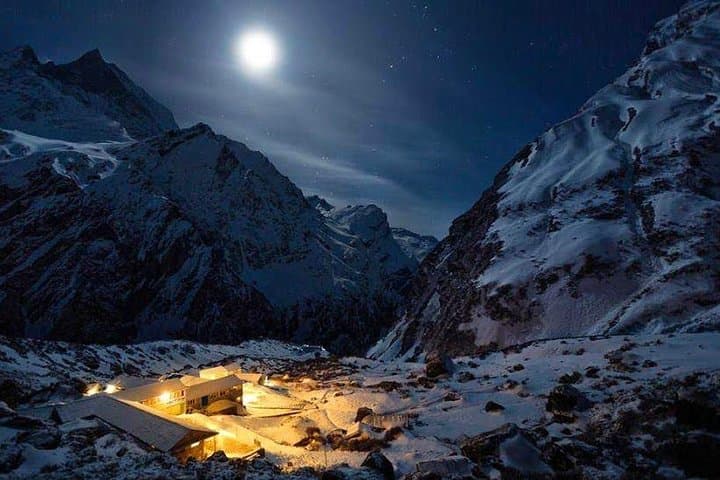
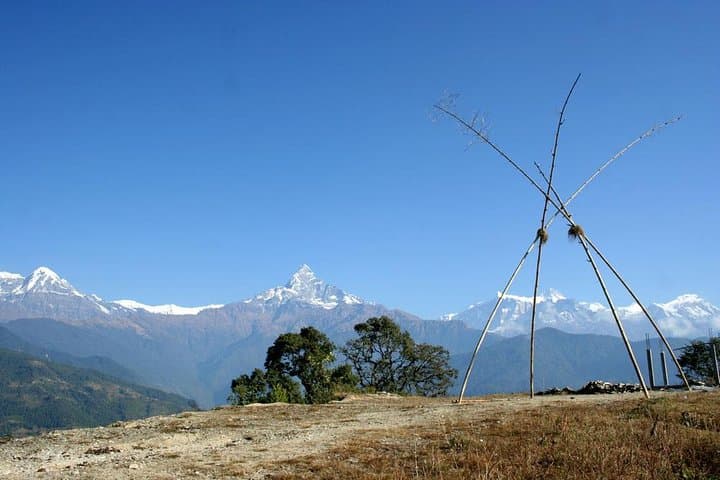
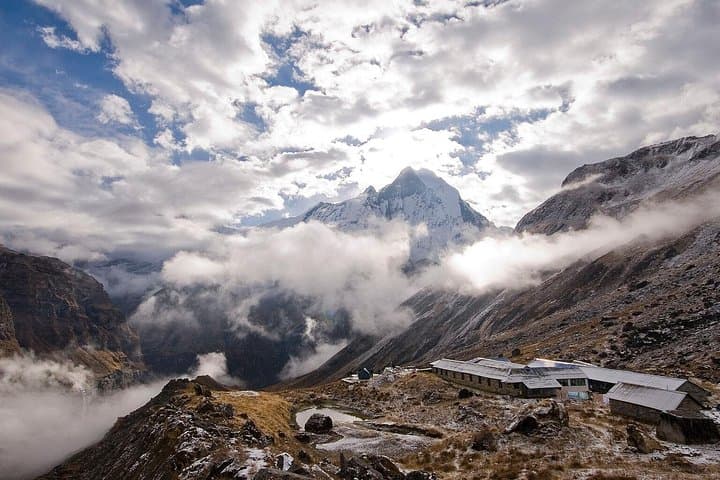
A cold wind sweeps across the glacial amphitheater as you crest the final moraine and Annapurna Base Camp unfurls below — a bowl of stone, ice and jagged ridgelines that seem to hold the sky. Early mornings on the trail mean the mountains arrive first: first light on Machhapuchhre’s knife-edge, then Annapurna South and Gangapurna showing themselves in slow relief.
A cold wind sweeps across the glacial amphitheater as you crest the final moraine and Annapurna Base Camp unfurls below — a bowl of stone, ice and jagged ridgelines that seem to hold the sky. Early mornings on the trail mean the mountains arrive first: first light on Machhapuchhre’s knife-edge, then Annapurna South and Gangapurna showing themselves in slow relief.
This seven-day itinerary runs Pokhara–Nayapul–Ghandruk and climbs through rhododendron forest, terraced villages and high alpine meadows to Machhapuchhre (MBC) and Annapurna Base Camp (ABC, ~4,130 m). The route follows long ascending pitches with frequent stair-like sections and river-crossing descents; expect total trekking distance in the 60–80 km range and cumulative elevation gain of roughly 2,500–3,200 m depending on start point. Geologically the Annapurna massif is a product of Himalayan uplift, exposing metamorphic rocks and active glacial sculpting; culturally the trail threads Gurung villages where tea houses supply food and local storytelling.
Practical notes: acclimatize slowly, hydrate, and plan for variable weather — clear afternoons can flip to snow at higher camps. Footwear should be broken-in boots with good grip; trekking poles reduce strain on steep descents. Nighttime temperatures at ABC fall well below freezing even in shoulder seasons, so a warm sleeping bag and layers are essential.
Time your trip for autumn (Sept–Nov) or spring (Mar–May) for the best visibility. Allow at least one rest or buffer day in Pokhara either before or after the trek to account for weather or flight schedules.