THE ADVENTURE COLLECTIVE® · Independent discovery and booking for outdoor travel

A seven-day trek from Pokhara to Annapurna Base Camp that takes you through Gurung villages, rhododendron forests and a dramatic glacial amphitheatre. Practical, scenic and culturally rich—ideal for fit trekkers ready for altitude and long days.
A seven-day trek from Pokhara to Annapurna Base Camp that takes you through Gurung villages, rhododendron forests and a dramatic glacial amphitheatre. Practical, scenic and culturally rich—ideal for fit trekkers ready for altitude and long days.
The trail opens with a jeep ride out of Pokhara, dust rising as terraced fields give way to rhododendron forest and the first glimpses of Machapuchare’s fish-tail silhouette. You switch to a packed daypack, pulse steadying as the valley narrows and the Modi River dares you onward.
Verified experiences and guided adventures in the surrounding area.
Operated by CAN Travels · Pokhara, Gandaki Province
The trail opens with a jeep ride out of Pokhara, dust rising as terraced fields give way to rhododendron forest and the first glimpses of Machapuchare’s fish-tail silhouette. You switch to a packed daypack, pulse steadying as the valley narrows and the Modi River dares you onward.
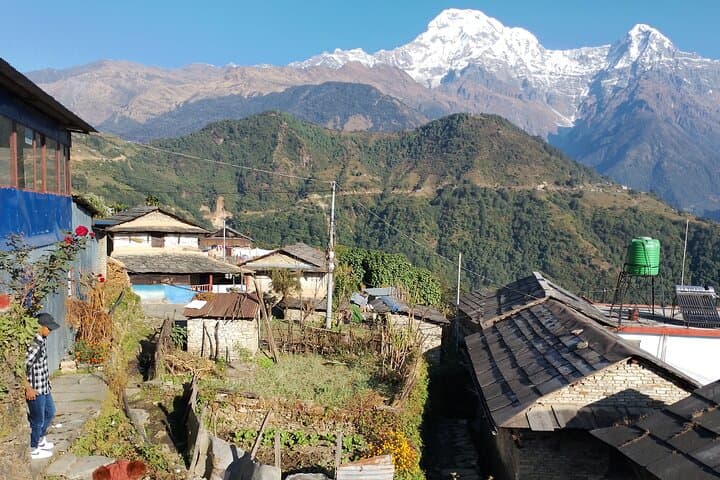
This route threads through Gurung and Magar villages whose stone houses and prayer flags reflect centuries of highland life; the Annapurna Sanctuary itself is a glacial cirque carved by uplift and ice, ringed by steep faces of Annapurna I, Hiunchuli and Gangapurna. The trekking culture here is practical and social—tea houses, shared meals and the regional tradition of warm hospitality shape the rhythm of days.
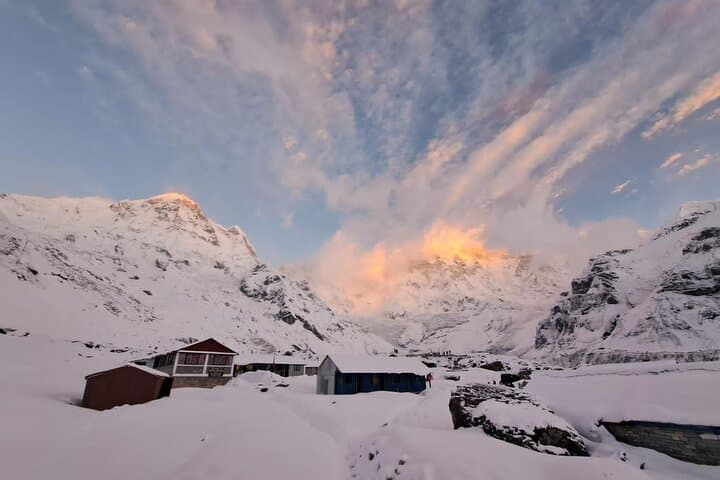
Expect a week of variable terrain: steep stone staircases, forested switchbacks between 1,700–4,130 m, and open moraine close to base camp. Weather shifts fast—sunlit warmth at Bamboo can flip to near-freezing nights above Deurali. The highlight is sunrise at ABC, where light slashes the cirque and glaciers glitter; quieter moments include dipping at Jhinu’s natural hot springs and visiting Ghandruk’s local museum.
Practical guidance: pace your ascent to avoid altitude effects, carry layers for alpine wind and rain, and budget for teahouse meals and permits. A guide speeds logistics, handles permits and reduces environmental impact. Hydrate deliberately, protect your feet on rough descents, and schedule an extra acclimatization day if you’re new to high-altitude trekking.
challenging.
7 days.
Good cardiovascular endurance and strong legs; regular hikers who can handle consecutive 6–10 hour days will be comfortable.
Yes — TIMS and Annapurna Conservation Area entry permits are required and typically handled by your operator or guide.
The trek is demanding above 3,000 m; experienced guides and conservative pacing help, but novices should prepare with aerobic training and consider an extra acclimatization day.
Nightly stays are in teahouse guesthouses with shared rooms and basic facilities; hot showers are limited and may cost extra.
Spring and autumn offer the best weather and visibility; winter delivers snow and solitude but colder conditions and possible trail closures.
The Annapurna region has long been home to Gurung and Magar communities; modern trekking developed in the 1960s after mountaineering interest in the range grew.
The Annapurna Conservation Area Project (ACAP) manages permits and local conservation; stick to trails, pack out waste and use local guides to support community-based tourism.
CAN Travels operates guided outdoor trips and adventures with an emphasis on safety, stewardship, and memorable experiences.
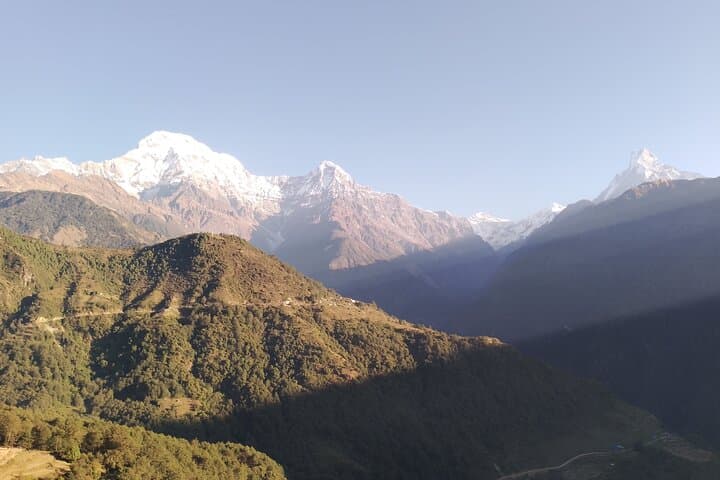
The trail opens with a jeep ride out of Pokhara, dust rising as terraced fields give way to rhododendron forest and the first glimpses of Machapuchare’s fish-tail silhouette. You switch to a packed daypack, pulse steadying as the valley narrows and the Modi River dares you onward.
The trail opens with a jeep ride out of Pokhara, dust rising as terraced fields give way to rhododendron forest and the first glimpses of Machapuchare’s fish-tail silhouette. You switch to a packed daypack, pulse steadying as the valley narrows and the Modi River dares you onward.
This route threads through Gurung and Magar villages whose stone houses and prayer flags reflect centuries of highland life; the Annapurna Sanctuary itself is a glacial cirque carved by uplift and ice, ringed by steep faces of Annapurna I, Hiunchuli and Gangapurna. The trekking culture here is practical and social—tea houses, shared meals and the regional tradition of warm hospitality shape the rhythm of days.
Expect a week of variable terrain: steep stone staircases, forested switchbacks between 1,700–4,130 m, and open moraine close to base camp. Weather shifts fast—sunlit warmth at Bamboo can flip to near-freezing nights above Deurali. The highlight is sunrise at ABC, where light slashes the cirque and glaciers glitter; quieter moments include dipping at Jhinu’s natural hot springs and visiting Ghandruk’s local museum.
Practical guidance: pace your ascent to avoid altitude effects, carry layers for alpine wind and rain, and budget for teahouse meals and permits. A guide speeds logistics, handles permits and reduces environmental impact. Hydrate deliberately, protect your feet on rough descents, and schedule an extra acclimatization day if you’re new to high-altitude trekking.