THE ADVENTURE COLLECTIVE® · Independent discovery and booking for outdoor travel

A seven-day, lodge-to-lodge trek from Pokhara into the Annapurna Sanctuary that culminates at Annapurna Base Camp (4,130 m). Classic mountain views, teahouse nights, and a natural hot spring on descent make this a compact Himalayan circuit.
A seven-day, lodge-to-lodge trek from Pokhara into the Annapurna Sanctuary that culminates at Annapurna Base Camp (4,130 m). Classic mountain views, teahouse nights, and a natural hot spring on descent make this a compact Himalayan circuit.
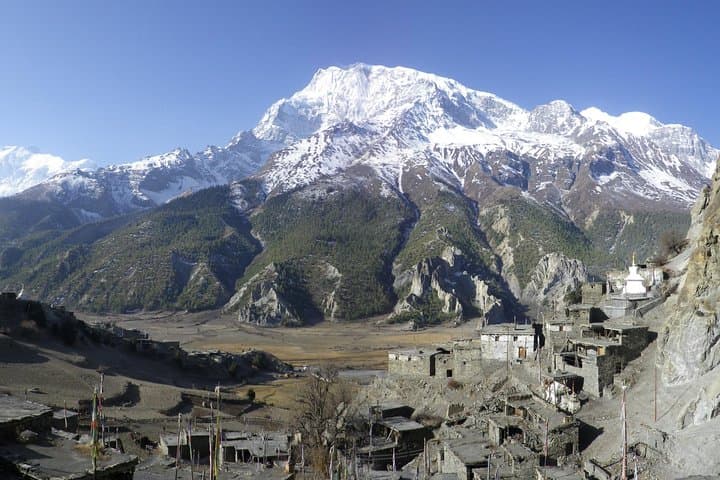
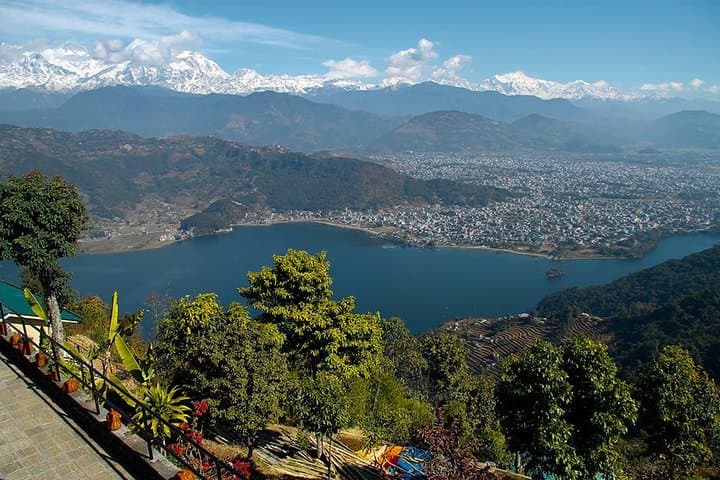
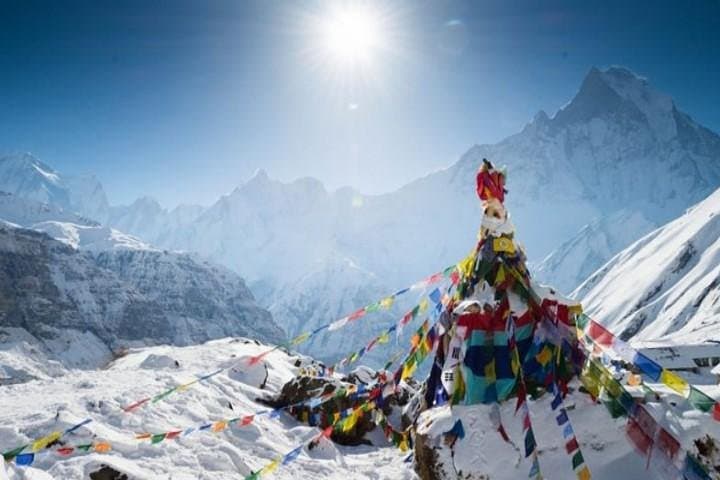
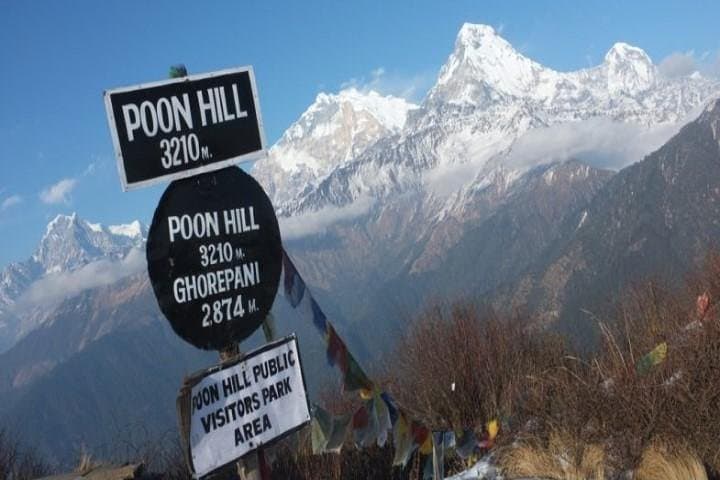
You step out of Pokhara into crisp mountain air and the valley shrinks behind you—rice terraces ripple, local villages hum, and the trail climbs into rhododendron forest that opens onto Himalayan rock and ice. Over seven days the route threads through Chhomrong and Dovan, rises to Machhapuchhre Base Camp, and crests at Annapurna Base Camp (approx. 4,130 m), where a ring of giants—Annapurna I, Hiunchuli, Machapuchare—frames a high alpine bowl.
Verified experiences and guided adventures in the surrounding area.
Operated by Pigeon Travel And Tours Pvt Ltd · Pokhara, Gandaki Province
You step out of Pokhara into crisp mountain air and the valley shrinks behind you—rice terraces ripple, local villages hum, and the trail climbs into rhododendron forest that opens onto Himalayan rock and ice. Over seven days the route threads through Chhomrong and Dovan, rises to Machhapuchhre Base Camp, and crests at Annapurna Base Camp (approx. 4,130 m), where a ring of giants—Annapurna I, Hiunchuli, Machapuchare—frames a high alpine bowl.
The sanctuary has human history and geological muscle: Annapurna I was the first 8,000-meter peak climbed in 1950 by Maurice Herzog’s French expedition, and the range is a young fold of uplifted granite and metamorphic rock that casts steep ridges and glacial cirques. Culturally the trail passes Gurung and Magar villages where teahouses offer dal and hot rooms; same local economies that have supported trekking for decades.
Expect varied terrain: carved stone steps, muddy forest tracks, and open moraine near the base camp. Altitude gain is steady—Pokhara (820 m) to ABC (4,130 m) over several days—so plan pacing and acclimatization. Lodges provide meals and basic bunks; the itinerary includes hot springs at Jhinu Danda on descent.
Practical tips: start early to avoid afternoon cloud build-up, carry a 3-season sleeping bag or rent locally, and hydrate to combat altitude effects. Permits (TIMS and ACAP) are standard; leave no trace, stick to marked trails, and respect local customs in villages. This is classic Himalayan trekking: physically demanding, deeply scenic, and logistically straightforward when booked from Pokhara.
challenging.
6–8 days.
Good aerobic fitness with experience on multi-day hikes; ability to walk 5–7 hours on uneven terrain for several consecutive days.
You need a TIMS card and the Annapurna Conservation Area Project (ACAP) permit; these are arranged in Pokhara or via your operator.
Spring (March–May) and autumn (Sept–Nov) offer the clearest views and stable weather; winter is cold and summer brings monsoon rain.
Yes—this itinerary uses teahouses/guesthouses with meals included; standard rooms are basic but functional.
ABC reaches about 4,130 m; mild symptoms are common—acclimatize, stay hydrated, and descend if symptoms worsen.
Annapurna I was the first 8,000-meter peak climbed (1950) by Maurice Herzog’s French expedition; the sanctuary later opened as a trekkers’ circuit supporting local Gurung and Magar communities.
The trek runs inside the Annapurna Conservation Area—pay ACAP fees, stick to trails, minimize waste, and support local teahouses to sustain community conservation.
Pigeon Travel And Tours Pvt Ltd operates guided outdoor trips and adventures with an emphasis on safety, stewardship, and memorable experiences.
You step out of Pokhara into crisp mountain air and the valley shrinks behind you—rice terraces ripple, local villages hum, and the trail climbs into rhododendron forest that opens onto Himalayan rock and ice. Over seven days the route threads through Chhomrong and Dovan, rises to Machhapuchhre Base Camp, and crests at Annapurna Base Camp (approx. 4,130 m), where a ring of giants—Annapurna I, Hiunchuli, Machapuchare—frames a high alpine bowl.
You step out of Pokhara into crisp mountain air and the valley shrinks behind you—rice terraces ripple, local villages hum, and the trail climbs into rhododendron forest that opens onto Himalayan rock and ice. Over seven days the route threads through Chhomrong and Dovan, rises to Machhapuchhre Base Camp, and crests at Annapurna Base Camp (approx. 4,130 m), where a ring of giants—Annapurna I, Hiunchuli, Machapuchare—frames a high alpine bowl.
The sanctuary has human history and geological muscle: Annapurna I was the first 8,000-meter peak climbed in 1950 by Maurice Herzog’s French expedition, and the range is a young fold of uplifted granite and metamorphic rock that casts steep ridges and glacial cirques. Culturally the trail passes Gurung and Magar villages where teahouses offer dal and hot rooms; same local economies that have supported trekking for decades.
Expect varied terrain: carved stone steps, muddy forest tracks, and open moraine near the base camp. Altitude gain is steady—Pokhara (820 m) to ABC (4,130 m) over several days—so plan pacing and acclimatization. Lodges provide meals and basic bunks; the itinerary includes hot springs at Jhinu Danda on descent.
Practical tips: start early to avoid afternoon cloud build-up, carry a 3-season sleeping bag or rent locally, and hydrate to combat altitude effects. Permits (TIMS and ACAP) are standard; leave no trace, stick to marked trails, and respect local customs in villages. This is classic Himalayan trekking: physically demanding, deeply scenic, and logistically straightforward when booked from Pokhara.