THE ADVENTURE COLLECTIVE® · Independent discovery and booking for outdoor travel

A compact, classic circuit from Pokhara to Annapurna Base Camp that packs dramatic alpine views, Gurung villages and a restorative soak in Jhinu hot springs into seven days. Expect teahouse nights, steady altitude gain to 4,130 m, and a route rich in culture and geology.
A compact, classic circuit from Pokhara to Annapurna Base Camp that packs dramatic alpine views, Gurung villages and a restorative soak in Jhinu hot springs into seven days. Expect teahouse nights, steady altitude gain to 4,130 m, and a route rich in culture and geology.
Morning mist thins over Pokhara as the van eases onto the winding road to Nayapul; terraces and rivers rush past like chapters of a growing story. Your first steps lead through rice paddies and rhododendron-splashed slopes, the trail climbing and falling with a steady, honest rhythm until the stone houses of Ghandruk appear, framed by the sharp skyline of Annapurna South and Machhapuchhre.
Verified experiences and guided adventures in the surrounding area.
Operated by Peak to Peak Tours and Treks Pvt Ltd · Pokhara, Gandaki Province
Morning mist thins over Pokhara as the van eases onto the winding road to Nayapul; terraces and rivers rush past like chapters of a growing story. Your first steps lead through rice paddies and rhododendron-splashed slopes, the trail climbing and falling with a steady, honest rhythm until the stone houses of Ghandruk appear, framed by the sharp skyline of Annapurna South and Machhapuchhre.
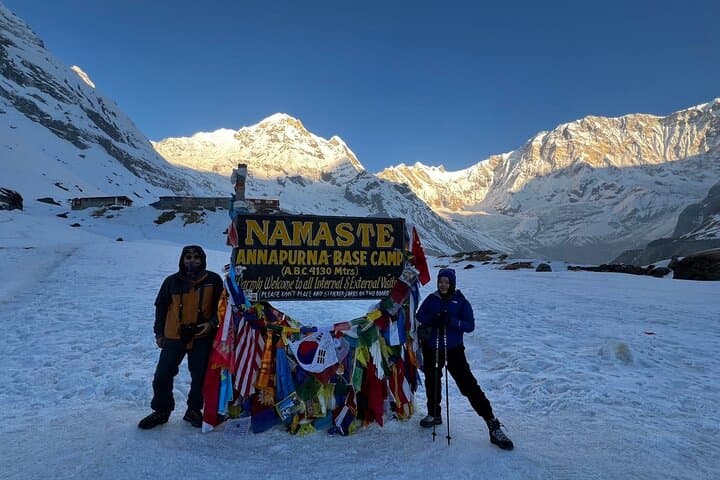
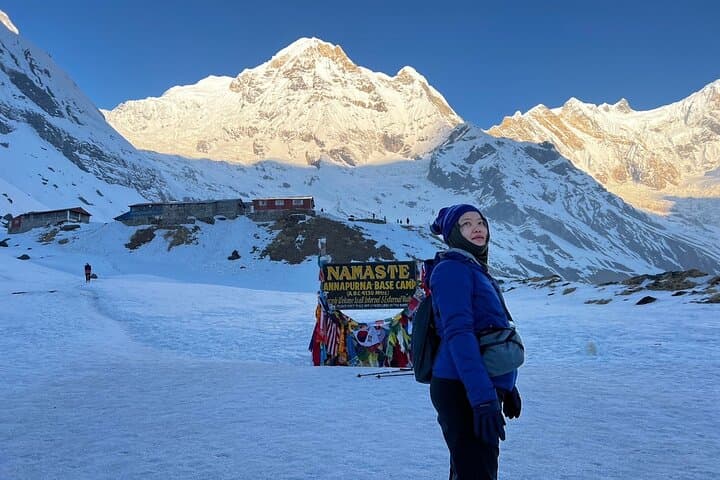
This route threads key threads of regional history and geology: ancient trade paths carved through young Himalayan uplift, villages shaped by Gurung culture, and valleys hollowed by glacial action. The Annapurna Conservation Area, established to protect these slopes, shelters alpine meadows, bamboo gullies and the rocky amphitheater that is Annapurna Base Camp (ABC), where peaks like Annapurna I and Hiunchuli ring the horizon.
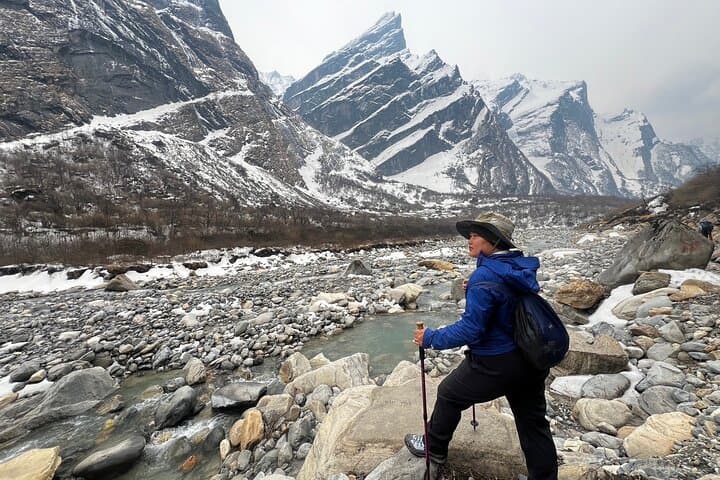
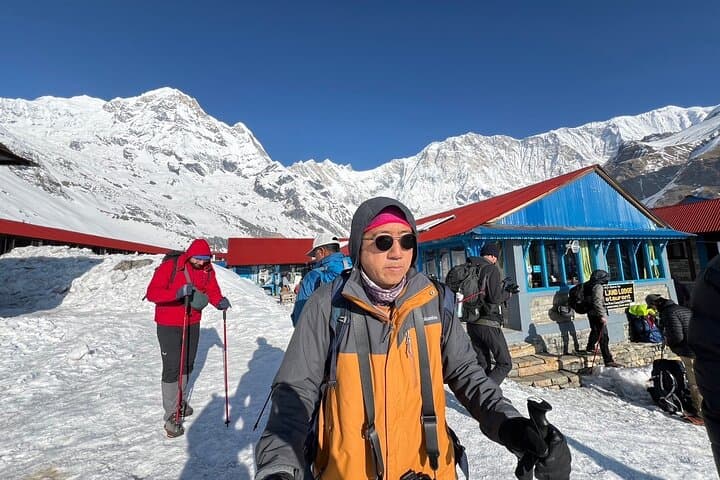
Along the way you’ll pass suspension bridges that swish underfoot, rivers daring you to keep pace, and tea houses that punctuate each day with hot dal bhat and local stories. Nights are simple but warm: teahouse beds, shared meals, and clear starlight filtered by cold mountain air.
Practical guide: build up cardio and stair-climbing strength before you go; plan for altitude gain to 4,130 m with conservative pacing; pack layered insulation and a reliable sleeping bag; and book permits in advance—ABC sits inside a regulated conservation zone. Aim for early starts to avoid afternoon weather and carry a basic first-aid kit for altitude-related symptoms. Expect 6–7 days of steady trekking, memorable mountain amphitheaters and a final soak at Jhinu hot springs that rewards tired legs and lifts the mood before the lowland drive back to Pokhara.
challenging.
6–7 days.
Good cardiovascular fitness and leg strength; able to hike 5–7 hours/day on uneven trails and stairs.
Yes—TIMS (Trekkers’ Information Management System) and ACAP (Annapurna Conservation Area Project) permits are required and typically arranged by your operator.
Spring (Mar–May) and autumn (Sep–Nov) offer the most stable weather, clearer views and vibrant rhododendron or harvest-season scenery.
Physically demanding due to elevation and daily hours; beginners with good fitness can complete it with proper pacing and guided support.
Teahouses are basic—shared or twin rooms, simple hot meals, and cold showers at higher stops—comfortable enough for most travelers who accept simple mountain living.
The trail follows centuries-old paths used by local communities and traders; Gurung villages along the route preserve distinct language, music and hospitality traditions.
The trek lies within the Annapurna Conservation Area—visitors fund protection through permits and should follow leave-no-trace practices to reduce waste and trail erosion.
Peak to Peak Tours and Treks Pvt Ltd operates guided outdoor trips and adventures with an emphasis on safety, stewardship, and memorable experiences.
Morning mist thins over Pokhara as the van eases onto the winding road to Nayapul; terraces and rivers rush past like chapters of a growing story. Your first steps lead through rice paddies and rhododendron-splashed slopes, the trail climbing and falling with a steady, honest rhythm until the stone houses of Ghandruk appear, framed by the sharp skyline of Annapurna South and Machhapuchhre.
Morning mist thins over Pokhara as the van eases onto the winding road to Nayapul; terraces and rivers rush past like chapters of a growing story. Your first steps lead through rice paddies and rhododendron-splashed slopes, the trail climbing and falling with a steady, honest rhythm until the stone houses of Ghandruk appear, framed by the sharp skyline of Annapurna South and Machhapuchhre.
This route threads key threads of regional history and geology: ancient trade paths carved through young Himalayan uplift, villages shaped by Gurung culture, and valleys hollowed by glacial action. The Annapurna Conservation Area, established to protect these slopes, shelters alpine meadows, bamboo gullies and the rocky amphitheater that is Annapurna Base Camp (ABC), where peaks like Annapurna I and Hiunchuli ring the horizon.
Along the way you’ll pass suspension bridges that swish underfoot, rivers daring you to keep pace, and tea houses that punctuate each day with hot dal bhat and local stories. Nights are simple but warm: teahouse beds, shared meals, and clear starlight filtered by cold mountain air.
Practical guide: build up cardio and stair-climbing strength before you go; plan for altitude gain to 4,130 m with conservative pacing; pack layered insulation and a reliable sleeping bag; and book permits in advance—ABC sits inside a regulated conservation zone. Aim for early starts to avoid afternoon weather and carry a basic first-aid kit for altitude-related symptoms. Expect 6–7 days of steady trekking, memorable mountain amphitheaters and a final soak at Jhinu hot springs that rewards tired legs and lifts the mood before the lowland drive back to Pokhara.