THE ADVENTURE COLLECTIVE® · Independent discovery and booking for outdoor travel

A week-long high-altitude trek that climbs into the bowl of the Annapurna Sanctuary, this route combines steep forest trails, teahouse stays, and summit-facing views at 4,130 m. Ideal for fit hikers who want guided logistics and cultural contact along the way.
A week-long high-altitude trek that climbs into the bowl of the Annapurna Sanctuary, this route combines steep forest trails, teahouse stays, and summit-facing views at 4,130 m. Ideal for fit hikers who want guided logistics and cultural contact along the way.
You swing open the door of a teahouse at dawn and cold Himalayan air pours in, carrying the faint metallic scent of distant glaciers. For the next week the trail alternates between mossy rhododendron forests, steep stone staircases, and an open amphitheater of peaks where Annapurna I and Machhapuchhre dominate the skyline.
Verified experiences and guided adventures in the surrounding area.
Operated by AM Travels and Tours · Pokhara, Gandaki Province
You swing open the door of a teahouse at dawn and cold Himalayan air pours in, carrying the faint metallic scent of distant glaciers. For the next week the trail alternates between mossy rhododendron forests, steep stone staircases, and an open amphitheater of peaks where Annapurna I and Machhapuchhre dominate the skyline.
The Annapurna Sanctuary has been threaded by traders, shepherds, and pilgrims for centuries; the valley’s dramatic cirque was carved by glaciation and uplift, leaving moraines and sharp ridgelines that frame the high camp. Cultural life on the trail is Gurung and Magar—tea houses and stone villages reflect simple mountain agriculture and warm hospitality that climbers rely on.
Expect trail surfaces that shift from packed earth to rocky switchbacks, with daily gains commonly between 400–1,200 meters and your high point near 4,130 meters at ABC. Weather shifts fast: sun, wind, and nighttime freezes are all normal. The trek is about acclimatization as much as scenery—slow ascents, rest days, and hydration matter.
Practical guidance: start in Pokhara, budget for tea-house meals and permit fees, and bring layered clothing, a reliable sleeping bag rated to at least -5°C, and trekking poles for steep descents. Plan early departures to avoid midday cloud and give yourself an extra day for acclimatization if you feel any symptoms of altitude. Local guides combine route knowledge with cultural context and handle logistics—use one, especially at higher elevations.
This trek rewards steady effort with panorama: a contained basin of ice and rock that feels alive, pushing you forward step by step toward its stony edge.
challenging.
7–8 days.
Good aerobic fitness with experience on multi-day hikes; ability to carry a daypack and sustain several hours of uphill walking daily.
Yes, you need an ACAP permit and a TIMS card; guides typically handle permits before departure.
The route is physically demanding due to sustained elevation gain and the 4,130 m high point; proper acclimatization and moderate-to-high fitness are required.
Teahouse accommodation is included on most local itineraries; expect basic rooms, shared facilities, and cooked meals for a modest fee.
Spring (March–May) and fall (Sept–Nov) offer the most stable weather and clearer mountain views.
The Sanctuary route has long been used by local communities and was popularized for trekking in the late 20th century as access improved from Pokhara.
Stay on designated trails, carry out waste, and choose local guides to support community-based tourism that funds trail maintenance and conservation.
AM Travels and Tours operates guided outdoor trips and adventures with an emphasis on safety, stewardship, and memorable experiences.
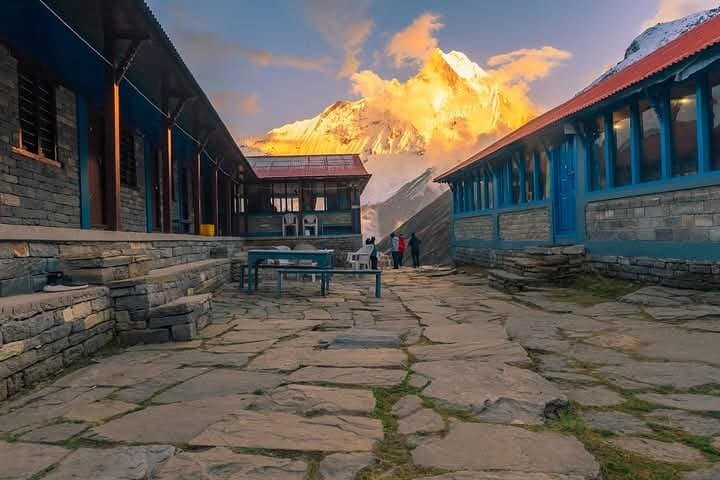
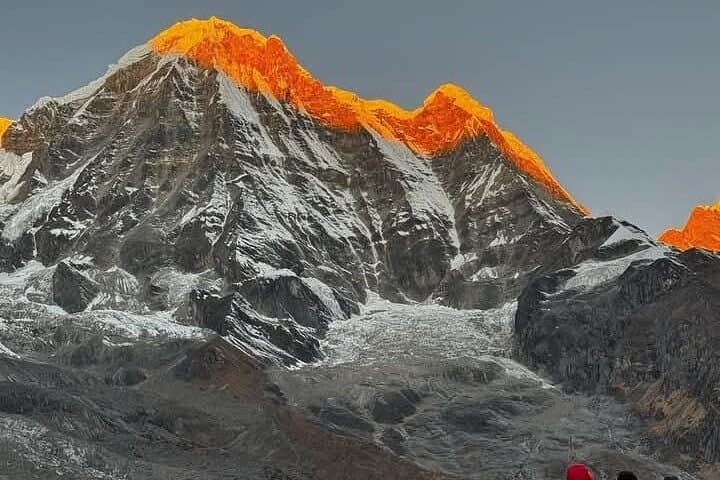
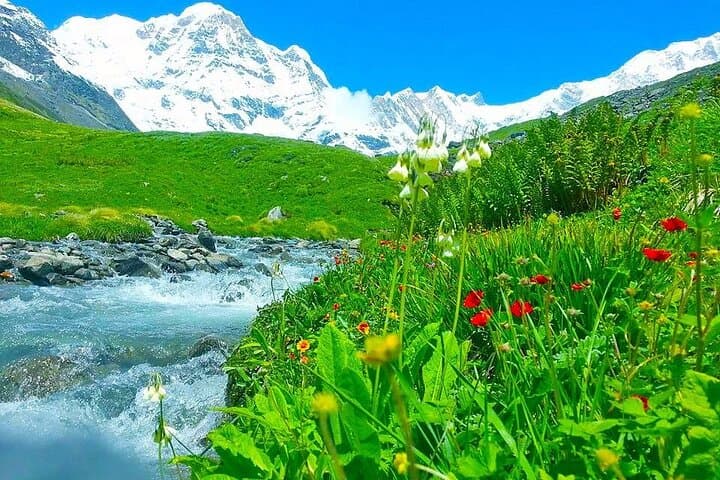
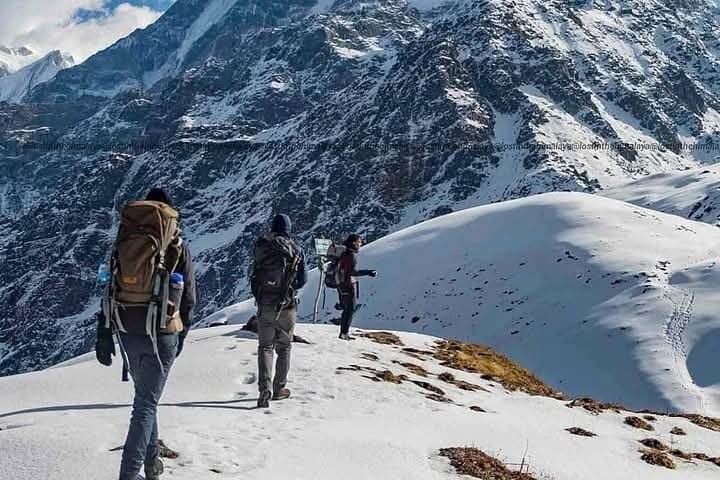
You swing open the door of a teahouse at dawn and cold Himalayan air pours in, carrying the faint metallic scent of distant glaciers. For the next week the trail alternates between mossy rhododendron forests, steep stone staircases, and an open amphitheater of peaks where Annapurna I and Machhapuchhre dominate the skyline.
You swing open the door of a teahouse at dawn and cold Himalayan air pours in, carrying the faint metallic scent of distant glaciers. For the next week the trail alternates between mossy rhododendron forests, steep stone staircases, and an open amphitheater of peaks where Annapurna I and Machhapuchhre dominate the skyline.
The Annapurna Sanctuary has been threaded by traders, shepherds, and pilgrims for centuries; the valley’s dramatic cirque was carved by glaciation and uplift, leaving moraines and sharp ridgelines that frame the high camp. Cultural life on the trail is Gurung and Magar—tea houses and stone villages reflect simple mountain agriculture and warm hospitality that climbers rely on.
Expect trail surfaces that shift from packed earth to rocky switchbacks, with daily gains commonly between 400–1,200 meters and your high point near 4,130 meters at ABC. Weather shifts fast: sun, wind, and nighttime freezes are all normal. The trek is about acclimatization as much as scenery—slow ascents, rest days, and hydration matter.
Practical guidance: start in Pokhara, budget for tea-house meals and permit fees, and bring layered clothing, a reliable sleeping bag rated to at least -5°C, and trekking poles for steep descents. Plan early departures to avoid midday cloud and give yourself an extra day for acclimatization if you feel any symptoms of altitude. Local guides combine route knowledge with cultural context and handle logistics—use one, especially at higher elevations.
This trek rewards steady effort with panorama: a contained basin of ice and rock that feels alive, pushing you forward step by step toward its stony edge.