THE ADVENTURE COLLECTIVE® · Independent discovery and booking for outdoor travel

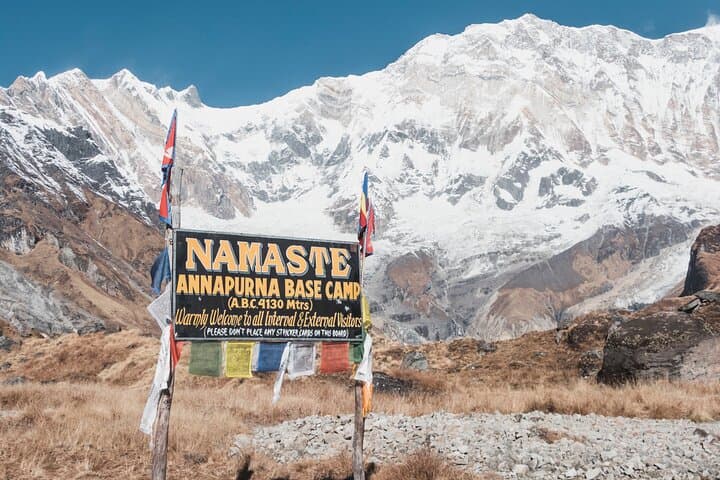
A classic 7-day route from Nayapul to Annapurna Base Camp, this trek mixes cultural villages, rhododendron forests, and a high alpine amphitheater at 4,130 m. Expect 6 hours of walking per day, teahouse stays, and exceptional close-up mountain views.
A classic 7-day route from Nayapul to Annapurna Base Camp, this trek mixes cultural villages, rhododendron forests, and a high alpine amphitheater at 4,130 m. Expect 6 hours of walking per day, teahouse stays, and exceptional close-up mountain views.
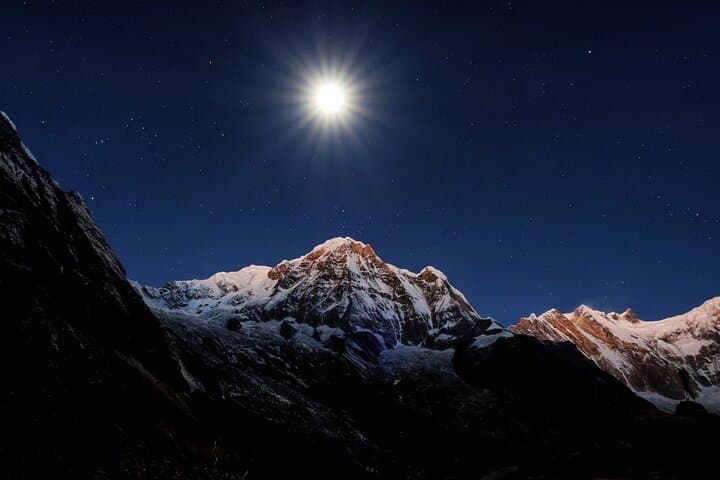
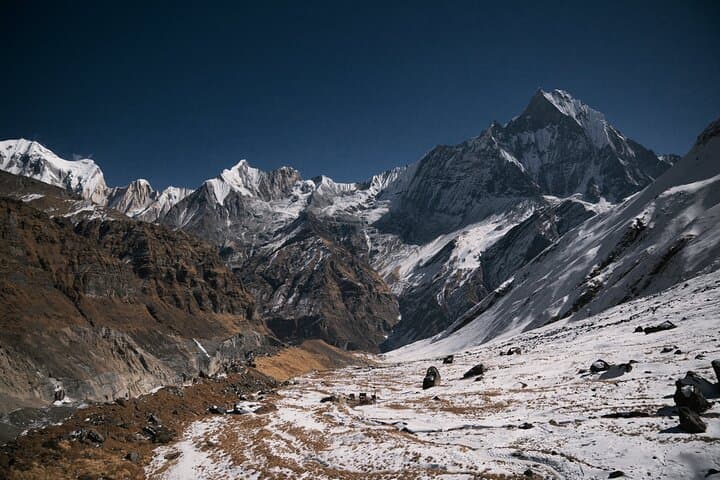
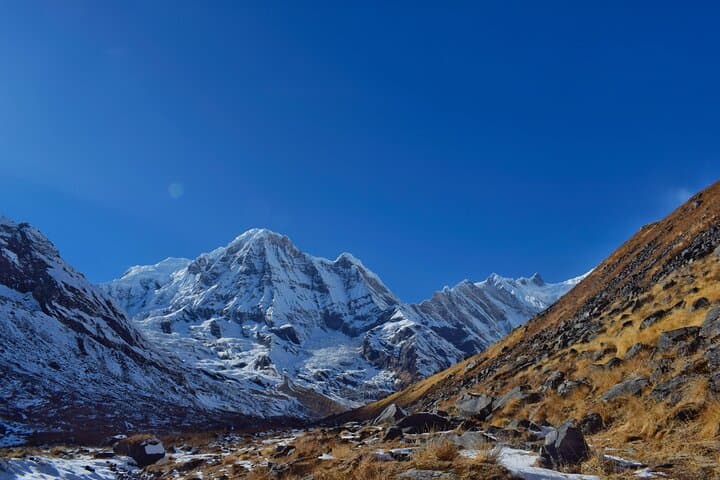
You step off the Jeep at Nayapul into crisp mountain air and begin walking through terraced farms, rhododendron stands, and stone-paved villages. The valley opens and closes like a book—every bend revealing new angles of Annapurna and the jagged silhouette of Machhapuchare (Fishtail). Day by day the forest thins, the oxygen thins more, and the amphitheater of peaks around Base Camp grows until it fills your horizon.
Verified experiences and guided adventures in the surrounding area.
Operated by Blissful Himalayas · Pokhara, Gandaki Province
You step off the Jeep at Nayapul into crisp mountain air and begin walking through terraced farms, rhododendron stands, and stone-paved villages. The valley opens and closes like a book—every bend revealing new angles of Annapurna and the jagged silhouette of Machhapuchare (Fishtail). Day by day the forest thins, the oxygen thins more, and the amphitheater of peaks around Base Camp grows until it fills your horizon.
The route threads through Gurung and Magar villages whose stone houses and prayer flags recall centuries of mountain life. Geologically the Annapurna massif is young and steep—glacial bowls and moraines carve the high ridgelines while subtropical forests cloak the lower slopes. The trek runs inside the Annapurna Conservation Area, Nepal’s first conservation zone, created to balance tourism with fragile alpine ecosystems.
Practically, expect about 6 hours of walking per day and roughly 12 km daily on varied terrain: stone steps, packed earth, and occasional scree above treeline. You rise from ~1,940 m in Ghandruk to 4,130 m at Annapurna Base Camp (ABC), so acclimatization and a steady pace are essential; the itinerary includes downhill days and a hot-spring stop at Jhinu Danda to soothe tired legs.
Guides and permits simplify navigation and local logistics; teahouse accommodation and set meals are standard. Pack layered clothing for big temperature swings, carry water treatment and basic first-aid, and plan your ascent conservatively to reduce altitude risk. The payoff is immediate: an intimate, 360-degree mountain bowl that rewards effort with close, raw views of some of the Himalaya’s most dramatic peaks.
challenging.
7 days.
Good aerobic fitness and experience with multi-day hikes at moderate to high altitude are recommended; be comfortable walking 5–7 hours per day.
Yes—trekkers require permits (TIMS and ACAP) and a guide is strongly recommended for safety and local logistics, especially at higher altitude.
Teahouse lodging is basic—shared or private rooms with simple mattresses; hot water and showers may be limited and often cost extra.
The itinerary includes gradual ascent and a lower-altitude night after Base Camp to help with acclimatization, but monitor symptoms and communicate with your guide.
Spring (Mar–May) and fall (Sep–Nov) offer the most stable weather and clear mountain views, while monsoon and winter bring rain or deep snow respectively.
The Annapurna region contains long-settled Gurung and Magar villages; the Annapurna Conservation Area (established 1985) balances traditional livelihoods with eco-tourism.
Visitors should follow ACAP guidelines: pack out waste when possible, use toilet facilities at teahouses, and support local conservation fees that fund trail maintenance and biodiversity protection.
Blissful Himalayas operates guided outdoor trips and adventures with an emphasis on safety, stewardship, and memorable experiences.
You step off the Jeep at Nayapul into crisp mountain air and begin walking through terraced farms, rhododendron stands, and stone-paved villages. The valley opens and closes like a book—every bend revealing new angles of Annapurna and the jagged silhouette of Machhapuchare (Fishtail). Day by day the forest thins, the oxygen thins more, and the amphitheater of peaks around Base Camp grows until it fills your horizon.
You step off the Jeep at Nayapul into crisp mountain air and begin walking through terraced farms, rhododendron stands, and stone-paved villages. The valley opens and closes like a book—every bend revealing new angles of Annapurna and the jagged silhouette of Machhapuchare (Fishtail). Day by day the forest thins, the oxygen thins more, and the amphitheater of peaks around Base Camp grows until it fills your horizon.
The route threads through Gurung and Magar villages whose stone houses and prayer flags recall centuries of mountain life. Geologically the Annapurna massif is young and steep—glacial bowls and moraines carve the high ridgelines while subtropical forests cloak the lower slopes. The trek runs inside the Annapurna Conservation Area, Nepal’s first conservation zone, created to balance tourism with fragile alpine ecosystems.
Practically, expect about 6 hours of walking per day and roughly 12 km daily on varied terrain: stone steps, packed earth, and occasional scree above treeline. You rise from ~1,940 m in Ghandruk to 4,130 m at Annapurna Base Camp (ABC), so acclimatization and a steady pace are essential; the itinerary includes downhill days and a hot-spring stop at Jhinu Danda to soothe tired legs.
Guides and permits simplify navigation and local logistics; teahouse accommodation and set meals are standard. Pack layered clothing for big temperature swings, carry water treatment and basic first-aid, and plan your ascent conservatively to reduce altitude risk. The payoff is immediate: an intimate, 360-degree mountain bowl that rewards effort with close, raw views of some of the Himalaya’s most dramatic peaks.