THE ADVENTURE COLLECTIVE® · Independent discovery and booking for outdoor travel

A seven‑day high‑altitude trail running camp through Quito, Quilotoa, Chimborazo and Tungurahua that blends technical trails, volcanic ridges and local hacienda stays. Ideal for fit runners seeking guided multi‑day altitude training.
A seven‑day high‑altitude trail running camp through Quito, Quilotoa, Chimborazo and Tungurahua that blends technical trails, volcanic ridges and local hacienda stays. Ideal for fit runners seeking guided multi‑day altitude training.
Dawn breaks cold and thin above the Quito basin as a small group pulls on headlamps and tightens laces. The air tastes like metal; the city lights shrink below and the Andes rise around you — a chain of ridgelines that dare you to move faster. Over seven days the program threads crater rims, high paramo, hacienda tracks and volcanic scree, with local guides pacing the group and support vehicles close by.
Verified experiences and guided adventures in the surrounding area.
Operated by Ecuatraveling · Quito, Pichincha
Dawn breaks cold and thin above the Quito basin as a small group pulls on headlamps and tightens laces. The air tastes like metal; the city lights shrink below and the Andes rise around you — a chain of ridgelines that dare you to move faster. Over seven days the program threads crater rims, high paramo, hacienda tracks and volcanic scree, with local guides pacing the group and support vehicles close by.
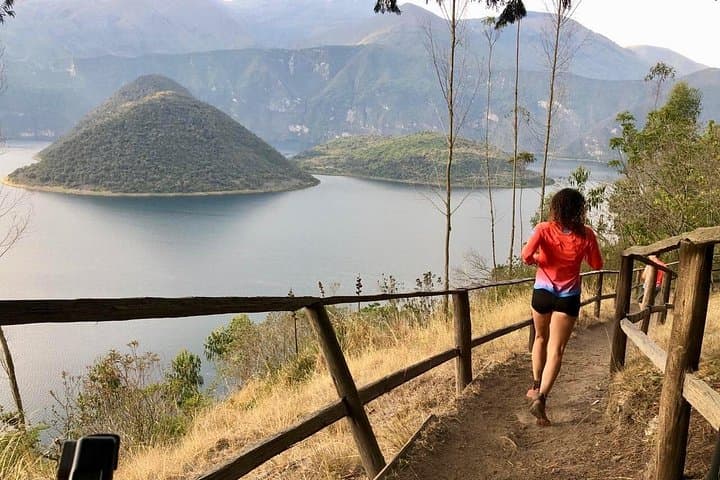
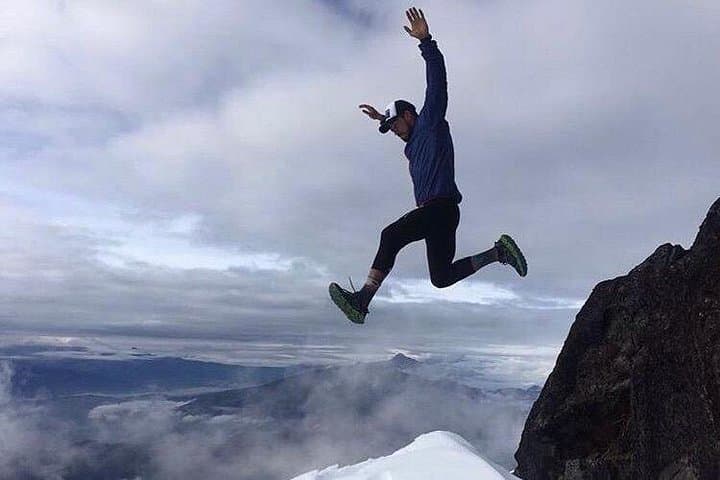
This itinerary moves from Quito (2,850 m) into progressively higher terrain: a light acclimation jog in Metropolitan Park, an 11‑km circuit on Quilotoa’s crater rim at ~3,900 m, a 20‑km paramo traverse near Chimborazo, and a steep approach to Tungurahua that climbs from ~2,900 m to the summit zone above 5,000 m for the strongest runners. The geology is raw — volcanic cones, ash-filled craters and wet páramo peatlands shaped by glacier and fire — and indigenous farming communities and haciendas anchor the cultural landscape.
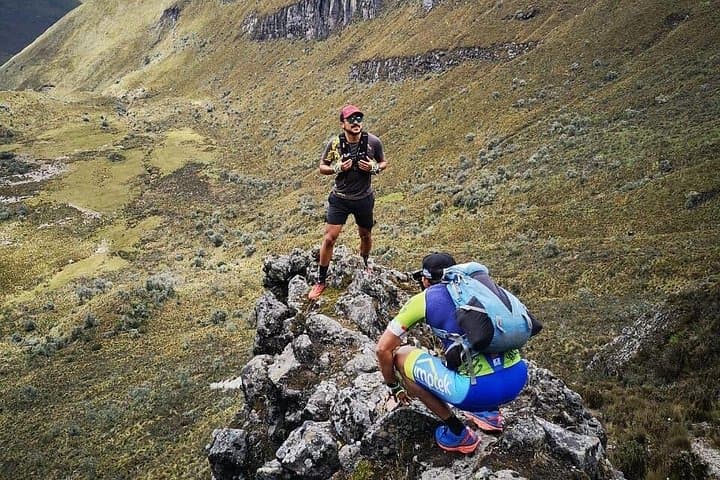
Expect rocky singletrack, sodden paramo, short technical sections and long exposed climbs with brutal sun and sudden wind. Guides provide water, route briefing and pace options; hotels and haciendas supply recovery meals and massages. Practical edge: prioritize gradual pace, sip electrolytes, sleep low when possible and test your shoes on technical ground before summit attempts.
This is not a scenic jog — it’s a high‑altitude training block that rewards prepared runners with hard-earned views, thermal baths in Baños and local food in mountain communities. Bring layered clothing, hydration capacity, and respect for fragile páramo soils; move deliberately and the Andes will repay you with clear air and uncompromising terrain.
challenging.
7 days.
High — regular runners with strong aerobic base and hill experience; comfortable running 10–20 km at altitude.
Recommended but not mandatory — strong aerobic fitness and gradual acclimatization make the program safer; guides adjust pace and support is available.
It’s the most demanding day: ~6 hours roundtrip from higher trailheads, steep and exposed; intermediate runners can finish in ~6 hrs, advanced in ~4–5 hrs.
Six nights in first‑class hotels and haciendas with breakfasts and most lunches/dinners included; local meals after runs emphasize recovery nutrition.
Guides monitor symptoms, use descent and rest as primary treatments, and support vehicles can evacuate symptomatic runners to lower elevation immediately.
The route crosses ancestral highlands where indigenous farming communities and colonial haciendas shaped land use; volcanoes like Chimborazo feature in local mythology.
The high páramo is a fragile water‑catchment ecosystem—stick to trails, avoid peat disturbance and pack out all waste to minimize impact.
Ecuatraveling operates guided outdoor trips and adventures with an emphasis on safety, stewardship, and memorable experiences.
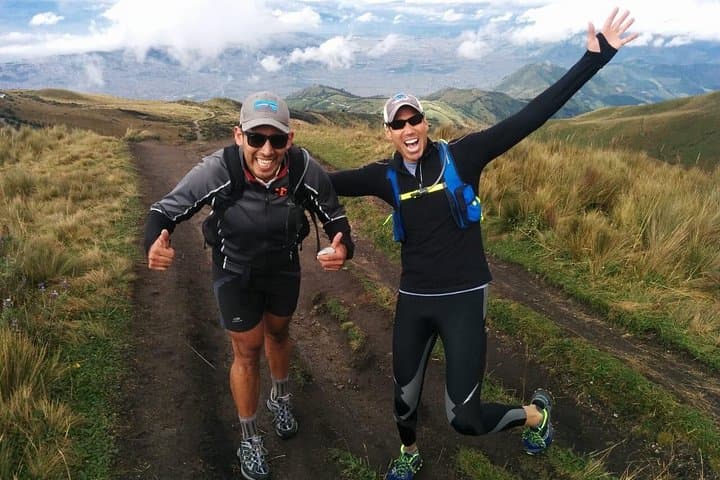
Dawn breaks cold and thin above the Quito basin as a small group pulls on headlamps and tightens laces. The air tastes like metal; the city lights shrink below and the Andes rise around you — a chain of ridgelines that dare you to move faster. Over seven days the program threads crater rims, high paramo, hacienda tracks and volcanic scree, with local guides pacing the group and support vehicles close by.
Dawn breaks cold and thin above the Quito basin as a small group pulls on headlamps and tightens laces. The air tastes like metal; the city lights shrink below and the Andes rise around you — a chain of ridgelines that dare you to move faster. Over seven days the program threads crater rims, high paramo, hacienda tracks and volcanic scree, with local guides pacing the group and support vehicles close by.
This itinerary moves from Quito (2,850 m) into progressively higher terrain: a light acclimation jog in Metropolitan Park, an 11‑km circuit on Quilotoa’s crater rim at ~3,900 m, a 20‑km paramo traverse near Chimborazo, and a steep approach to Tungurahua that climbs from ~2,900 m to the summit zone above 5,000 m for the strongest runners. The geology is raw — volcanic cones, ash-filled craters and wet páramo peatlands shaped by glacier and fire — and indigenous farming communities and haciendas anchor the cultural landscape.
Expect rocky singletrack, sodden paramo, short technical sections and long exposed climbs with brutal sun and sudden wind. Guides provide water, route briefing and pace options; hotels and haciendas supply recovery meals and massages. Practical edge: prioritize gradual pace, sip electrolytes, sleep low when possible and test your shoes on technical ground before summit attempts.
This is not a scenic jog — it’s a high‑altitude training block that rewards prepared runners with hard-earned views, thermal baths in Baños and local food in mountain communities. Bring layered clothing, hydration capacity, and respect for fragile páramo soils; move deliberately and the Andes will repay you with clear air and uncompromising terrain.