THE ADVENTURE COLLECTIVE® · Independent discovery and booking for outdoor travel

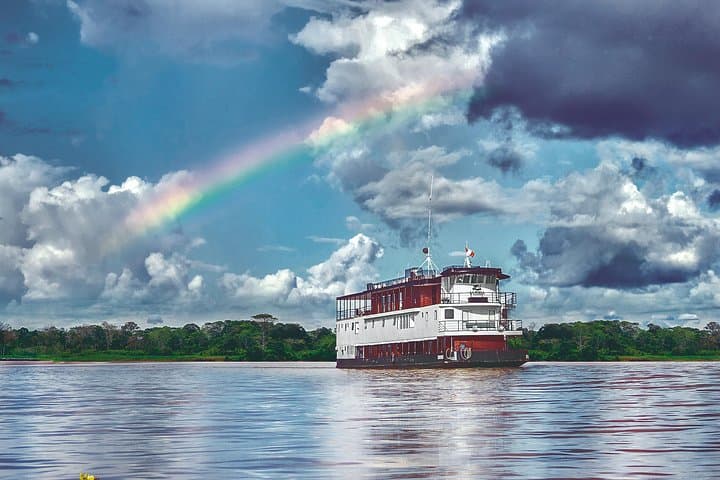
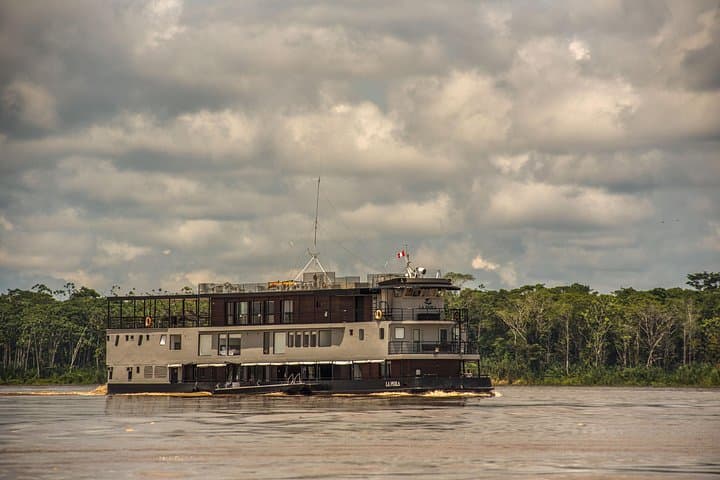
Glide from Iquitos into the heart of the Amazon aboard La Perla. Over seven days you’ll explore Pacaya Samiria’s blackwater channels, meet riverside communities, and search for pink dolphins, caimans, and charapa turtles.
Glide from Iquitos into the heart of the Amazon aboard La Perla. Over seven days you’ll explore Pacaya Samiria’s blackwater channels, meet riverside communities, and search for pink dolphins, caimans, and charapa turtles.
You push off from a private dock at Nauta as the river fog loosens its grip and La Perla’s deck opens to a wide, slow world. The wake parts black water and silt; macaws shriek from a distant canopy while the boat’s naturalist points out the braided channels that once drew rubber barons and traders to this place.
Verified experiences and guided adventures in the surrounding area.
Operated by VIPAC Travel · Iquitos, Loreto
You push off from a private dock at Nauta as the river fog loosens its grip and La Perla’s deck opens to a wide, slow world. The wake parts black water and silt; macaws shriek from a distant canopy while the boat’s naturalist points out the braided channels that once drew rubber barons and traders to this place.
This route threads the Marañón and Ucayali into the greater Amazon—geology written in meandering oxbows, seasonal floodplains, and forested levees. Indigenous communities line the waterways; Kukama and other riverside villages keep crafts, medicinal plant knowledge, and shamanic traditions alive. In the Pacaya Samiria reserve, nutrient-poor blackwater channels give way to flooded varzea forests where charapa turtles and pink river dolphins favor calm backwaters.
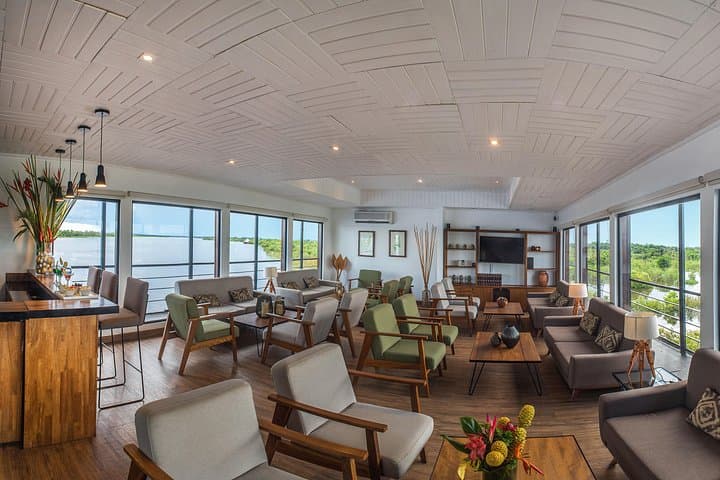
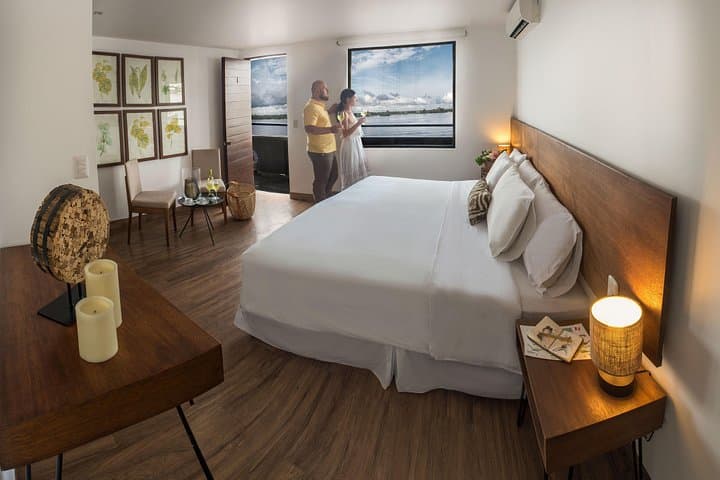
Expect daily excursions: dawn birding on Yarapa, evening caiman searches, guided piranha fishing, butterfly farms, short jungle walks, and visits to local families and a manatee rescue center. Accommodations are shipboard cabins with meals included, and naturalist-led talks deepen context between outings.
Practical guidance: start early for wildlife windows, dress for humidity with quick-dry layers and a rain shell, and carry mosquito protection and binoculars. Mobility is moderate—short boat transfers and low-impact jungle trails—so bring sturdy closed-toe shoes rather than heavy hiking boots. Power is limited; keep electronics charged and bring spare batteries. Respect community protocols during village visits and minimize single-use plastics—this river reflects what you leave behind.
moderate.
7 days.
Suitable for travelers with moderate fitness — able to board skiffs, walk short jungle trails, and handle early starts.
Consult a travel clinic—yellow fever is recommended for Amazon travel, and routine vaccines (hepatitis A, typhoid) plus updated tetanus are suggested.
Most excursions are short walks or skiff rides; a moderate fitness level is enough, but be prepared for uneven, muddy terrain on jungle trails.
Cruise packages generally include potable water and meals; bring a refillable bottle to reduce plastic waste and for convenience on excursions.
Expect limited or no cell service in reserve areas; the ship provides basic power but bring spare batteries and power banks for extended use.
The route follows waterways that linked indigenous communities and later rubber-boom routes; towns like Iquitos grew as river trade hubs in the 19th century.
Pacaya Samiria is a protected reserve; trips that support local communities and follow strict wildlife viewing rules help fund conservation and reduce disturbance.
VIPAC Travel operates guided outdoor trips and adventures with an emphasis on safety, stewardship, and memorable experiences.
You push off from a private dock at Nauta as the river fog loosens its grip and La Perla’s deck opens to a wide, slow world. The wake parts black water and silt; macaws shriek from a distant canopy while the boat’s naturalist points out the braided channels that once drew rubber barons and traders to this place.
You push off from a private dock at Nauta as the river fog loosens its grip and La Perla’s deck opens to a wide, slow world. The wake parts black water and silt; macaws shriek from a distant canopy while the boat’s naturalist points out the braided channels that once drew rubber barons and traders to this place.
This route threads the Marañón and Ucayali into the greater Amazon—geology written in meandering oxbows, seasonal floodplains, and forested levees. Indigenous communities line the waterways; Kukama and other riverside villages keep crafts, medicinal plant knowledge, and shamanic traditions alive. In the Pacaya Samiria reserve, nutrient-poor blackwater channels give way to flooded varzea forests where charapa turtles and pink river dolphins favor calm backwaters.
Expect daily excursions: dawn birding on Yarapa, evening caiman searches, guided piranha fishing, butterfly farms, short jungle walks, and visits to local families and a manatee rescue center. Accommodations are shipboard cabins with meals included, and naturalist-led talks deepen context between outings.
Practical guidance: start early for wildlife windows, dress for humidity with quick-dry layers and a rain shell, and carry mosquito protection and binoculars. Mobility is moderate—short boat transfers and low-impact jungle trails—so bring sturdy closed-toe shoes rather than heavy hiking boots. Power is limited; keep electronics charged and bring spare batteries. Respect community protocols during village visits and minimize single-use plastics—this river reflects what you leave behind.