THE ADVENTURE COLLECTIVE® · Independent discovery and booking for outdoor travel

Spend seven days camping, canoeing and learning survival skills in the river-heart of the Amazon near Amanã Lake. Expect hut-side hammocks, night wildlife excursions, and a curriculum of edible-plant ID and traditional fishing techniques.
Spend seven days camping, canoeing and learning survival skills in the river-heart of the Amazon near Amanã Lake. Expect hut-side hammocks, night wildlife excursions, and a curriculum of edible-plant ID and traditional fishing techniques.
You step off the motorized skiff into the humid hush of the varzea, the river’s dark water pressing against mangrove roots as the forest seems to inhale. Hammocks with mosquito nets flap in a breeze that barely cools the air; distant bird calls puncture the close green. This is Amanã Lake and the Ubim creek system — a working wetland where water rises and retreats with the seasons and life adapts around the pulse of the Amazon.
Verified experiences and guided adventures in the surrounding area.
Operated by Joshua's Amazon Expeditions · Tefé, Amazonas
You step off the motorized skiff into the humid hush of the varzea, the river’s dark water pressing against mangrove roots as the forest seems to inhale. Hammocks with mosquito nets flap in a breeze that barely cools the air; distant bird calls puncture the close green. This is Amanã Lake and the Ubim creek system — a working wetland where water rises and retreats with the seasons and life adapts around the pulse of the Amazon.
Geologically the region is a low-lying floodplain carved by the Solimões and Japurá rivers; sediments and seasonal floods build islands and channels that shift year to year. Culturally, the itinerary threads through small riverside communities where traditional fishing, cassava processing, and river navigation remain daily practice. Guides teach survival skills: edible plant ID, spear fishing, night spotlighting for caimans and owls — techniques rooted in local knowledge.
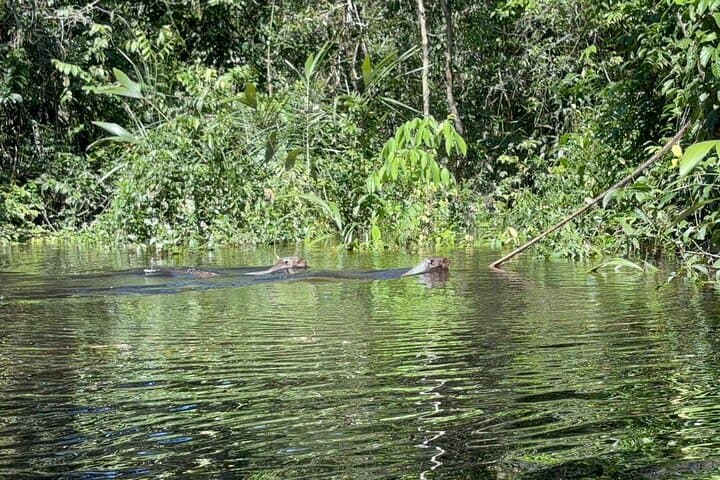
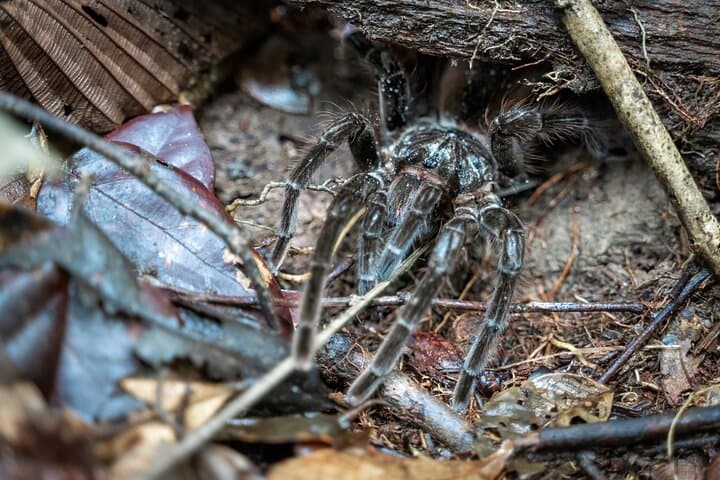
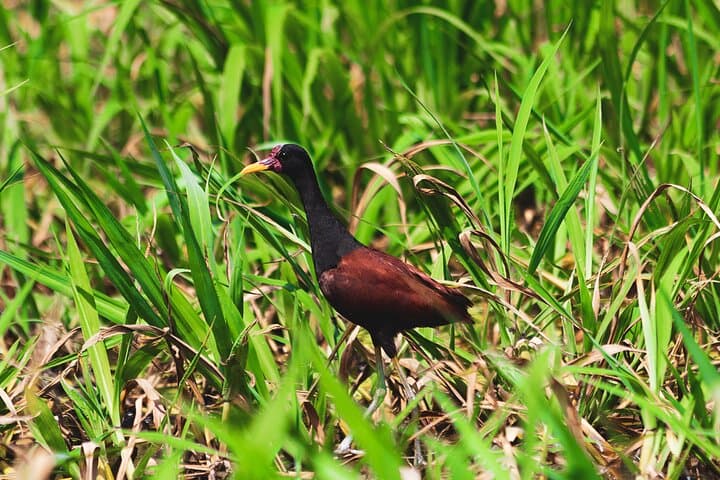
Expect full days of walking on muddy trails, canoeing narrow creeks, and setting up camp each evening. Wildlife is close — monkeys, macaws, dolphins, and caimans can all appear within hours. Practical notes: carry a reliable headlamp, waterproof dry bags, and insect protection; drink boiled or treated water only; respect local customs and follow guides’ instructions around wildlife. Vaccinations, good cardiovascular fitness, and a willingness to sleep in hammocks are required. Weather dictates access — high water makes canoeing easier but trails muddier. With sensible gear and a flexible attitude, this seven-day program delivers an intense, hands-on immersion in the river forest and the survival skills that let people live with it.
challenging.
7 days.
Moderate to strong cardiovascular fitness and comfort with multi-day camping and canoe travel; ability to walk on uneven, muddy terrain.
Fly to Manaus and connect to a daily flight to Tefé (about 50 minutes) or take the multi-day riverboat; the operator meets you in Tefé for the transfer to the lake.
Yes — hammocks with mosquito nets are supplied at each campsite; bring a thin sleeping liner or lightweight sleeping bag for warmth and comfort.
Vaccinations such as yellow fever are recommended; consult a travel clinic for malaria prophylaxis and routine immunizations well before travel.
This program is not recommended for pregnant travelers or for young children due to remote conditions and physical demands; check operator policies for age limits.
The Amanã region is part of the Amazon floodplain shaped by millennia of river sedimentation; riverside communities combine indigenous and riverine mestizo cultures with deep knowledge of seasonal cycles.
Tours support low-impact, community-based travel; avoid single-use plastics, follow leave-no-trace rules, and respect fishing seasons to reduce pressure on local species.
Joshua's Amazon Expeditions operates guided outdoor trips and adventures with an emphasis on safety, stewardship, and memorable experiences.
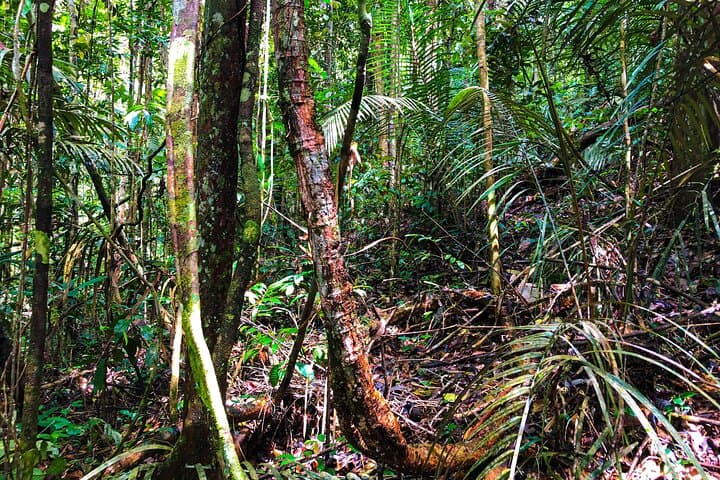
You step off the motorized skiff into the humid hush of the varzea, the river’s dark water pressing against mangrove roots as the forest seems to inhale. Hammocks with mosquito nets flap in a breeze that barely cools the air; distant bird calls puncture the close green. This is Amanã Lake and the Ubim creek system — a working wetland where water rises and retreats with the seasons and life adapts around the pulse of the Amazon.
You step off the motorized skiff into the humid hush of the varzea, the river’s dark water pressing against mangrove roots as the forest seems to inhale. Hammocks with mosquito nets flap in a breeze that barely cools the air; distant bird calls puncture the close green. This is Amanã Lake and the Ubim creek system — a working wetland where water rises and retreats with the seasons and life adapts around the pulse of the Amazon.
Geologically the region is a low-lying floodplain carved by the Solimões and Japurá rivers; sediments and seasonal floods build islands and channels that shift year to year. Culturally, the itinerary threads through small riverside communities where traditional fishing, cassava processing, and river navigation remain daily practice. Guides teach survival skills: edible plant ID, spear fishing, night spotlighting for caimans and owls — techniques rooted in local knowledge.
Expect full days of walking on muddy trails, canoeing narrow creeks, and setting up camp each evening. Wildlife is close — monkeys, macaws, dolphins, and caimans can all appear within hours. Practical notes: carry a reliable headlamp, waterproof dry bags, and insect protection; drink boiled or treated water only; respect local customs and follow guides’ instructions around wildlife. Vaccinations, good cardiovascular fitness, and a willingness to sleep in hammocks are required. Weather dictates access — high water makes canoeing easier but trails muddier. With sensible gear and a flexible attitude, this seven-day program delivers an intense, hands-on immersion in the river forest and the survival skills that let people live with it.