THE ADVENTURE COLLECTIVE® · Independent discovery and booking for outdoor travel

A seven-day active safari through Tarangire, the Serengeti and Ngorongoro Crater—combining vehicle game drives, a walking safari, and Maasai cultural visits. Expect close wildlife encounters, dramatic geology, and practical guidance for planning and packing.
A seven-day active safari through Tarangire, the Serengeti and Ngorongoro Crater—combining vehicle game drives, a walking safari, and Maasai cultural visits. Expect close wildlife encounters, dramatic geology, and practical guidance for planning and packing.
You step from the jeep and the plain exhales—heat lifting off the grasslands, a distant line of elephants moving like a slow current. Tarangire’s baobabs throw long shadows while bird calls stitch the morning; later, the Serengeti opens as a rinsed horizon where wildebeest and predators stage their daily negotiations. By the Ngorongoro rim you feel the scale: a collapsed volcano forming a natural amphitheatre cradling dense wildlife below.
Verified experiences and guided adventures in the surrounding area.
Operated by NATOKA AFRICA SAFARI · Arusha, Arusha Region
You step from the jeep and the plain exhales—heat lifting off the grasslands, a distant line of elephants moving like a slow current. Tarangire’s baobabs throw long shadows while bird calls stitch the morning; later, the Serengeti opens as a rinsed horizon where wildebeest and predators stage their daily negotiations. By the Ngorongoro rim you feel the scale: a collapsed volcano forming a natural amphitheatre cradling dense wildlife below.
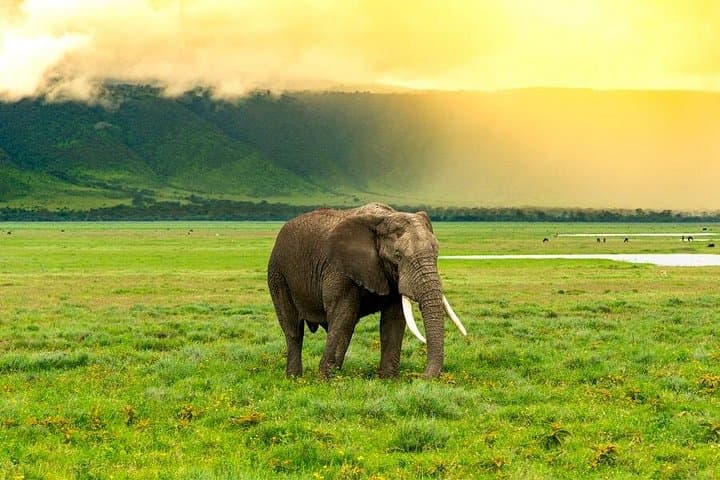
This seven-day loop threads three of Tanzania’s most storied places. Tarangire is river-centered savanna where elephants gather; the Serengeti is geologically flat, sculpted by volcanic ash and riverine erosion to create sweeping plains; Ngorongoro is an enormous caldera—a volcanic collapse that now supports permanent water and unusually high predator densities. Along the way you’ll meet Maasai communities at bomas and hear colonial-era conservation debates reframed by local guides who balance culture and wildlife stewardship.
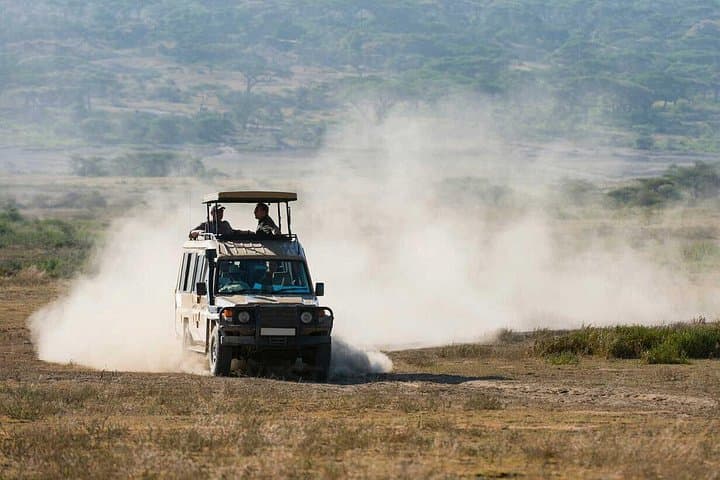
Expect a mix of vehicle game drives, an escorted walking safari in Tarangire to read spoor and small mammals, and crater descent with up-close sightings of grazers and predators. Nights are spent in mid-range lodges and a tented camp—comfort with a close-to-wild feel.
Practicalities: carry layered clothing for cool crater mornings and hot afternoons, refillable water, sunscreen and binoculars. Vaccinations and travel insurance are recommended; park fees and professional guides are included in most packages. Plan for long drives between parks, early wake-ups for best sightings, and respectful, small-group interaction with communities. This itinerary suits travelers who want active game viewing with walking components and cultural contact, delivered with logistical support throughout.
moderate.
7 days.
Suitable for moderately fit travelers who can handle early mornings, multi-hour game drives, and short guided walks; not demanding mountaineering fitness.
The migration’s timing varies by year; generally June–September sees large herds in the western and northern Serengeti, while December–March brings calving in the southern plains—ask your operator for current migration reports.
Guided walking safaris are conducted by trained guides who read spoor and manage risk; they are generally safe when you follow instructions and maintain group discipline.
Yellow fever vaccination may be required depending on origin; routine immunizations plus malaria prophylaxis are commonly recommended—consult a travel clinic well before departure.
Tipping is customary: consider pooled tips for lodge staff and a daily amount for drivers/guides (guided ranges vary—ask local recommendations or operator guidelines).
Ngorongoro is the collapsed remnant of an ancient volcano; the caldera preserves human fossils and has been central to both scientific study and regional pastoral history.
Park fees fund conservation and community projects; stick to designated roads and follow guide instructions to minimize disturbance to habitats and wildlife.
NATOKA AFRICA SAFARI operates guided outdoor trips and adventures with an emphasis on safety, stewardship, and memorable experiences.
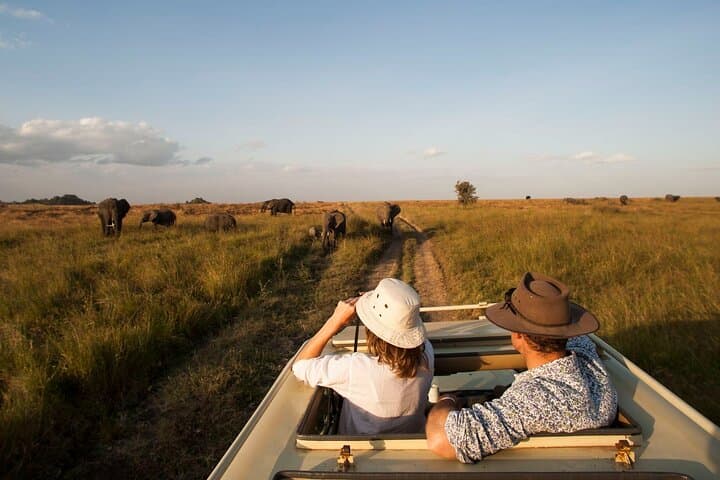
You step from the jeep and the plain exhales—heat lifting off the grasslands, a distant line of elephants moving like a slow current. Tarangire’s baobabs throw long shadows while bird calls stitch the morning; later, the Serengeti opens as a rinsed horizon where wildebeest and predators stage their daily negotiations. By the Ngorongoro rim you feel the scale: a collapsed volcano forming a natural amphitheatre cradling dense wildlife below.
You step from the jeep and the plain exhales—heat lifting off the grasslands, a distant line of elephants moving like a slow current. Tarangire’s baobabs throw long shadows while bird calls stitch the morning; later, the Serengeti opens as a rinsed horizon where wildebeest and predators stage their daily negotiations. By the Ngorongoro rim you feel the scale: a collapsed volcano forming a natural amphitheatre cradling dense wildlife below.
This seven-day loop threads three of Tanzania’s most storied places. Tarangire is river-centered savanna where elephants gather; the Serengeti is geologically flat, sculpted by volcanic ash and riverine erosion to create sweeping plains; Ngorongoro is an enormous caldera—a volcanic collapse that now supports permanent water and unusually high predator densities. Along the way you’ll meet Maasai communities at bomas and hear colonial-era conservation debates reframed by local guides who balance culture and wildlife stewardship.
Expect a mix of vehicle game drives, an escorted walking safari in Tarangire to read spoor and small mammals, and crater descent with up-close sightings of grazers and predators. Nights are spent in mid-range lodges and a tented camp—comfort with a close-to-wild feel.
Practicalities: carry layered clothing for cool crater mornings and hot afternoons, refillable water, sunscreen and binoculars. Vaccinations and travel insurance are recommended; park fees and professional guides are included in most packages. Plan for long drives between parks, early wake-ups for best sightings, and respectful, small-group interaction with communities. This itinerary suits travelers who want active game viewing with walking components and cultural contact, delivered with logistical support throughout.