THE ADVENTURE COLLECTIVE® · Independent discovery and booking for outdoor travel

A one-day trek from Cusco to Vinicunca (Rainbow Mountain) takes you across high puna plains to a striking banded slope formed by mineral-rich sediments. This guided tour offers a shorter approach with a moderate uphill walk, cultural insights, and a buffet lunch back at base.
A one-day trek from Cusco to Vinicunca (Rainbow Mountain) takes you across high puna plains to a striking banded slope formed by mineral-rich sediments. This guided tour offers a shorter approach with a moderate uphill walk, cultural insights, and a buffet lunch back at base.
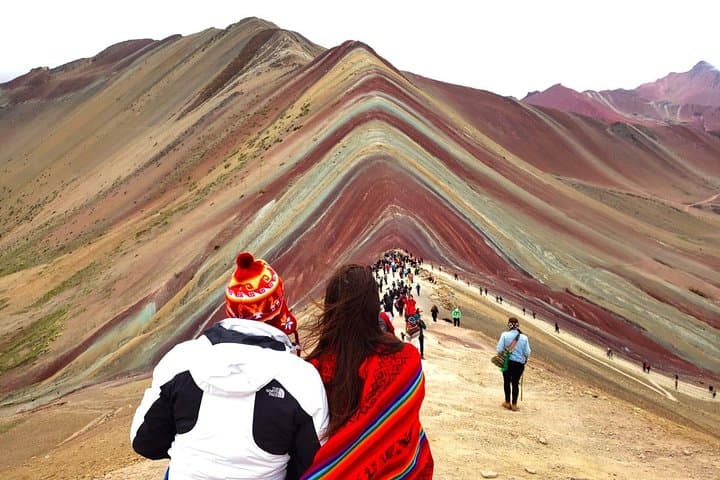
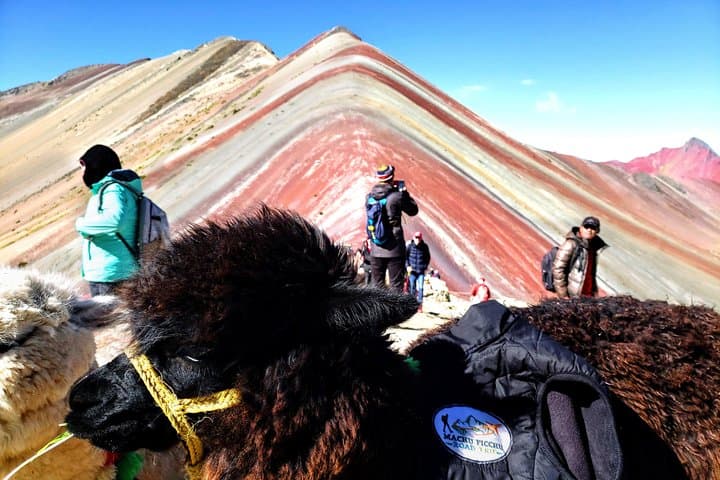
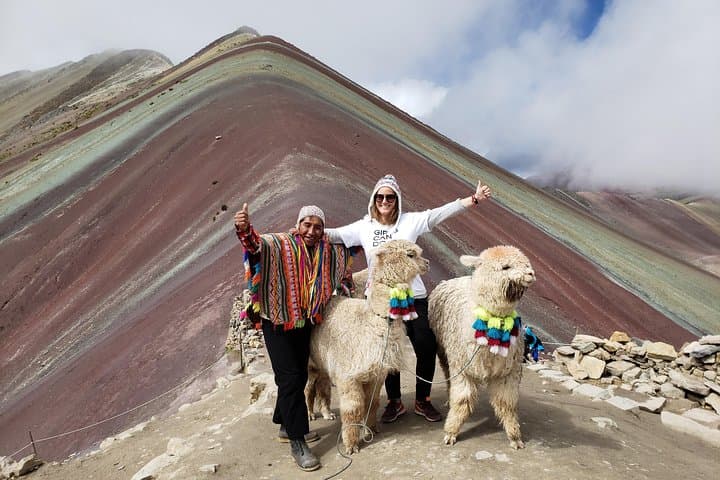
You crest a final rise and the ground seems to change underfoot—stripes of rust, ochre, and mint slice across the slope like a mineral painting. High Andean wind nudges your jacket as the guide points out bands formed by iron, copper and sediment laid down and uplifted over millennia.
Verified experiences and guided adventures in the surrounding area.
Operated by Machu Picchu Road Trip · Cusco, Cusco Region
You crest a final rise and the ground seems to change underfoot—stripes of rust, ochre, and mint slice across the slope like a mineral painting. High Andean wind nudges your jacket as the guide points out bands formed by iron, copper and sediment laid down and uplifted over millennia.
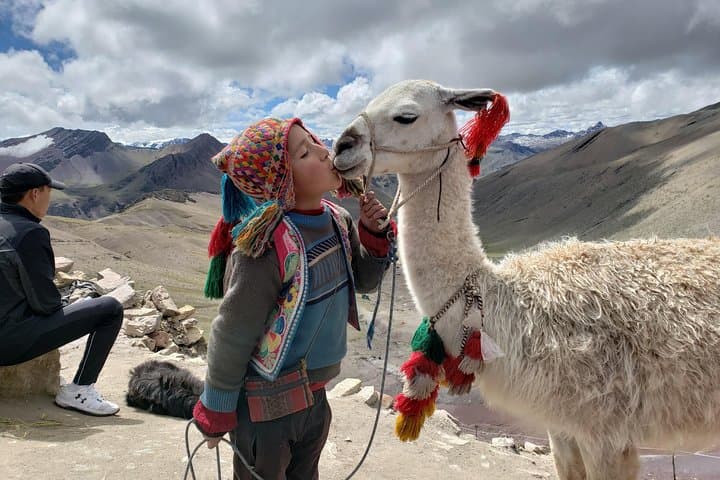
This one-day trek runs south of Cusco through puna grasslands and Quechua farming hamlets. Geologically, Vinicunca’s colors are the visible layering of sediments exposed by glacial erosion on the flank of the Ausangate massif. Culturally the area remains tied to shepherding communities; llamas and alpacas graze near stone corrals and local guides often share Quechua place-names and mountain lore.
The tour is shorter than some approaches—transport takes you from Cusco to Fulawasi and then a roughly 1 hour 40 minute uphill walk to the viewpoint at about 5,000+ meters. Expect thin air, stony trail, and open panoramas rather than sheltered forest. Photography and short exploration at the crest are the highlight before descending for a buffet lunch and the return drive.
Practical notes: acclimatize in Cusco for 24–48 hours, carry layers for wind and sun, and hydrate steadily; altitude causes the bulk of symptoms here rather than technical difficulty. Good footwear with ankle support and trekking poles help on the loose scree and short steep pitches. Timed visits in the dry season (May–Sep) offer clearer skies, but prepare for sudden weather shifts year-round. Respect local customs, avoid off-trail erosion, and leave no trace to preserve the fragile highland slopes.
challenging.
10–12 hours.
Should be in good aerobic shape and prepared for sustained uphill walking at high altitude; prior light trekking experience helpful.
The trail is not technical but can be physically demanding due to steep sections and high altitude; the walking portion is roughly 1–2 hours each way from the trailhead.
Yes—spend at least 24–48 hours in Cusco to help your body adjust to the elevation and reduce the risk of altitude sickness.
The dry season (May–September) provides the clearest skies and firmest trails; the wet season (Dec–Mar) has more rain and cloud cover that can obscure the colors.
Tours typically include a simple breakfast and a buffet lunch at the base, and basic restroom stops; carry your own tissues and hand sanitizer for stops along the route.
Local Quechua communities have grazed these highland slopes for centuries; the colored bands reflect sedimentary deposits uplifted during Andean orogeny.
The puna grasslands are fragile—tour operators encourage staying on trails, limiting group sizes, and carrying out all waste to reduce erosion and habitat disturbance.
Machu Picchu Road Trip operates guided outdoor trips and adventures with an emphasis on safety, stewardship, and memorable experiences.
You crest a final rise and the ground seems to change underfoot—stripes of rust, ochre, and mint slice across the slope like a mineral painting. High Andean wind nudges your jacket as the guide points out bands formed by iron, copper and sediment laid down and uplifted over millennia.
You crest a final rise and the ground seems to change underfoot—stripes of rust, ochre, and mint slice across the slope like a mineral painting. High Andean wind nudges your jacket as the guide points out bands formed by iron, copper and sediment laid down and uplifted over millennia.
This one-day trek runs south of Cusco through puna grasslands and Quechua farming hamlets. Geologically, Vinicunca’s colors are the visible layering of sediments exposed by glacial erosion on the flank of the Ausangate massif. Culturally the area remains tied to shepherding communities; llamas and alpacas graze near stone corrals and local guides often share Quechua place-names and mountain lore.
The tour is shorter than some approaches—transport takes you from Cusco to Fulawasi and then a roughly 1 hour 40 minute uphill walk to the viewpoint at about 5,000+ meters. Expect thin air, stony trail, and open panoramas rather than sheltered forest. Photography and short exploration at the crest are the highlight before descending for a buffet lunch and the return drive.
Practical notes: acclimatize in Cusco for 24–48 hours, carry layers for wind and sun, and hydrate steadily; altitude causes the bulk of symptoms here rather than technical difficulty. Good footwear with ankle support and trekking poles help on the loose scree and short steep pitches. Timed visits in the dry season (May–Sep) offer clearer skies, but prepare for sudden weather shifts year-round. Respect local customs, avoid off-trail erosion, and leave no trace to preserve the fragile highland slopes.