THE ADVENTURE COLLECTIVE® · Independent discovery and booking for outdoor travel

See the Great Barrier Reef from above on a 60‑minute scenic flight out of Cairns. This aerial tour crosses inner and outer reef clusters — sand cays, WWII sites, and marine life congregations — offering panoramic perspectives and photographic windows into reef geology and ecology.
See the Great Barrier Reef from above on a 60‑minute scenic flight out of Cairns. This aerial tour crosses inner and outer reef clusters — sand cays, WWII sites, and marine life congregations — offering panoramic perspectives and photographic windows into reef geology and ecology.
The propeller thrum settles and the coast opens beneath you: a scatter of blue-green mosaics, sand cays like pale coins and horseshoe reefs carving the ocean into bright, sharp edges.
Verified experiences and guided adventures in the surrounding area.
Operated by Zoom Helicopters · Cairns, Queensland
The propeller thrum settles and the coast opens beneath you: a scatter of blue-green mosaics, sand cays like pale coins and horseshoe reefs carving the ocean into bright, sharp edges.
From Cairns you track north-east, skimming past Fitzroy Island and the wartime gun emplacements at False Cape, crossing over Turtle Beach before the reef unfurls into the vast outer clusters. The pilots point out Sudbury Cay’s bird colonies and the vertical drops of Elford Reef; Moore Reef’s floating pontoons punctuate the sea like human punctuation.
Geology here is immediate — living coral frameworks piled over millennia, ringed by low sand islands formed by currents. The reef’s scale only reveals itself from altitude: U-shaped Arlington Reef, symmetrical Upolu, and the hundreds of inner and outer reefs that make the Great Barrier Reef an ecosystem mosaic. Indigenous Yolŋu and Djabugay connections to these waters stretch back millennia; European activity later added maritime routes and wartime installations.
Practically, this is an easy, high-reward outing: sit on the windward side for best photos, wear polarized sunglasses and a sunshirt, and expect variable visibility depending on humidity and swell. Operators collect weight and age details and can accommodate wheelchairs on request; flights run year-round but favor the dry season for transparency. Flights may be canceled for weather—book refundable fares or use the 24-hour cancellation window if plans change.
You’ll return to Cairns with a new sense of scale: the ocean not static but active, reefs daring you to look closer and reminding you why protection matters.
easy.
1 hour.
Minimal; participants must be able to board a light aircraft and remain seated for the flight
The flight is 60 minutes and follows a route over inner and outer reef clusters, including Fitzroy Island, False Cape, Turtle Beach, Sudbury Cay, Elford Reef, Moore Reef pontoons, Arlington Reef, Vlasoff Cay, Green Island and Upolu Reef.
Yes — infants can ride on an adult’s lap and the operator notes stroller access; however you must include ages at booking and follow safety briefings.
Flights are subject to cancellation for poor weather; the operator typically offers full refunds if canceled 24 hours before departure or will rebook you when possible.
Yes — the provider lists wheelchair accessibility for transportation and surfaces, but contact the operator in advance to confirm specific assistance needs.
The coastline includes WWII fortifications at False Cape and a long Indigenous history of marine stewardship by local Aboriginal and Torres Strait Islander peoples.
The Great Barrier Reef faces pressures from warming and water quality; choose operators that follow no‑touch policies, avoid unauthorised landings on cays, and support reef conservation fees or donations.
Zoom Helicopters operates guided outdoor trips and adventures with an emphasis on safety, stewardship, and memorable experiences.
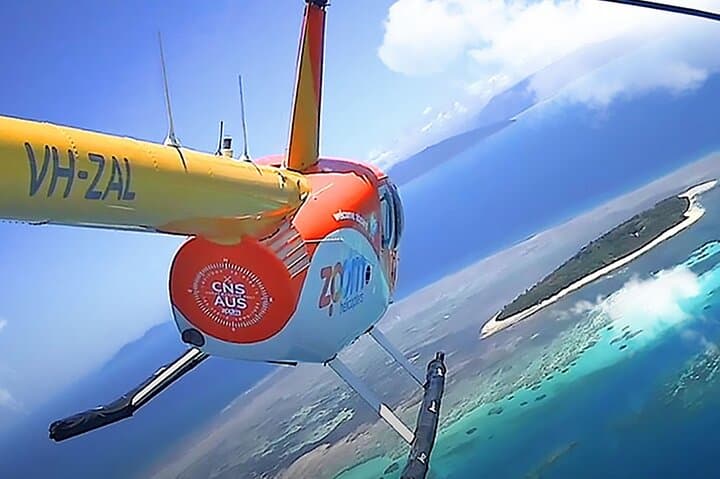
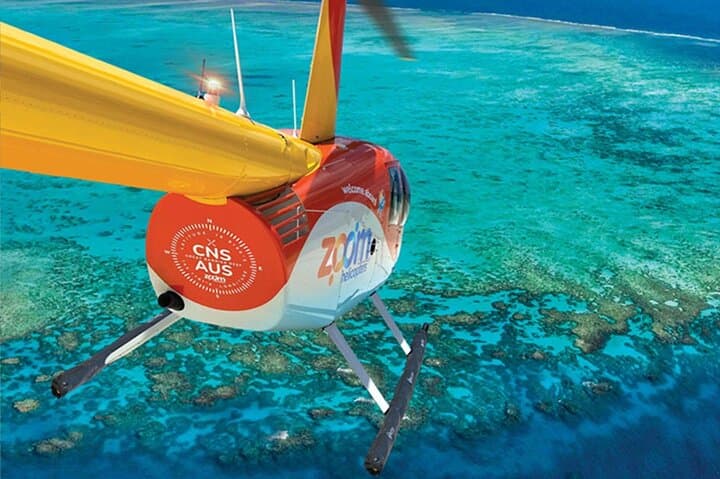
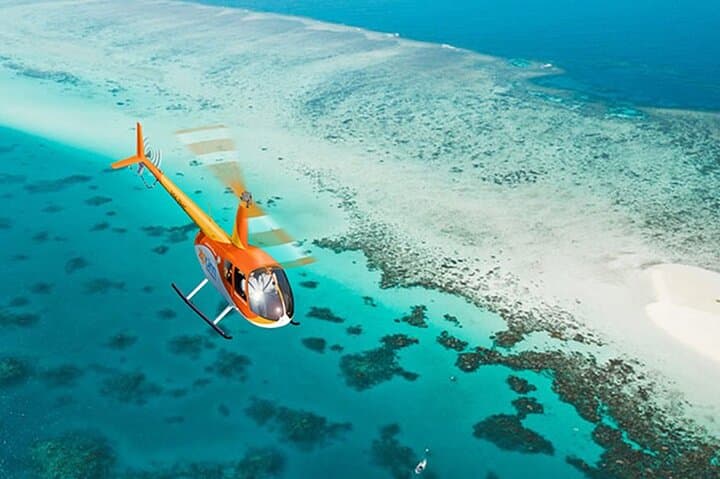
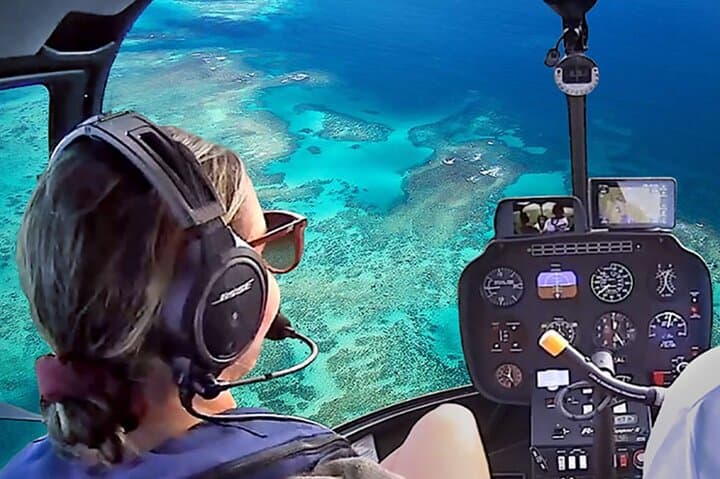
The propeller thrum settles and the coast opens beneath you: a scatter of blue-green mosaics, sand cays like pale coins and horseshoe reefs carving the ocean into bright, sharp edges.
The propeller thrum settles and the coast opens beneath you: a scatter of blue-green mosaics, sand cays like pale coins and horseshoe reefs carving the ocean into bright, sharp edges.
From Cairns you track north-east, skimming past Fitzroy Island and the wartime gun emplacements at False Cape, crossing over Turtle Beach before the reef unfurls into the vast outer clusters. The pilots point out Sudbury Cay’s bird colonies and the vertical drops of Elford Reef; Moore Reef’s floating pontoons punctuate the sea like human punctuation.
Geology here is immediate — living coral frameworks piled over millennia, ringed by low sand islands formed by currents. The reef’s scale only reveals itself from altitude: U-shaped Arlington Reef, symmetrical Upolu, and the hundreds of inner and outer reefs that make the Great Barrier Reef an ecosystem mosaic. Indigenous Yolŋu and Djabugay connections to these waters stretch back millennia; European activity later added maritime routes and wartime installations.
Practically, this is an easy, high-reward outing: sit on the windward side for best photos, wear polarized sunglasses and a sunshirt, and expect variable visibility depending on humidity and swell. Operators collect weight and age details and can accommodate wheelchairs on request; flights run year-round but favor the dry season for transparency. Flights may be canceled for weather—book refundable fares or use the 24-hour cancellation window if plans change.
You’ll return to Cairns with a new sense of scale: the ocean not static but active, reefs daring you to look closer and reminding you why protection matters.