THE ADVENTURE COLLECTIVE® · Independent discovery and booking for outdoor travel

Dress as a samurai or ninja and learn the etiquette, tools, and mindful movements of Japan’s warrior culture in a focused 60-minute session in Tokyo. Ideal for history-curious travelers seeking hands-on cultural context with minimal physical exertion.
Dress as a samurai or ninja and learn the etiquette, tools, and mindful movements of Japan’s warrior culture in a focused 60-minute session in Tokyo. Ideal for history-curious travelers seeking hands-on cultural context with minimal physical exertion.
Step inside a low-light dojo and feel the weight of centuries in a single breath.
Verified experiences and guided adventures in the surrounding area.
Operated by Musashi Ninja Clan Honjin Dojo in Asakusa · Tokyo, Tokyo
Step inside a low-light dojo and feel the weight of centuries in a single breath.
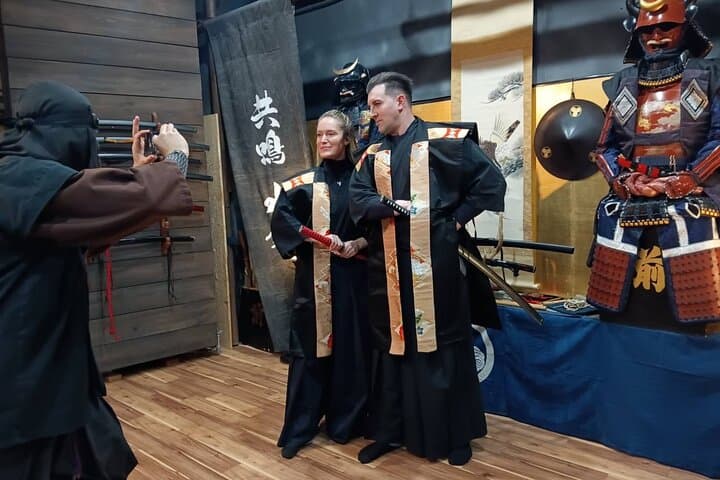
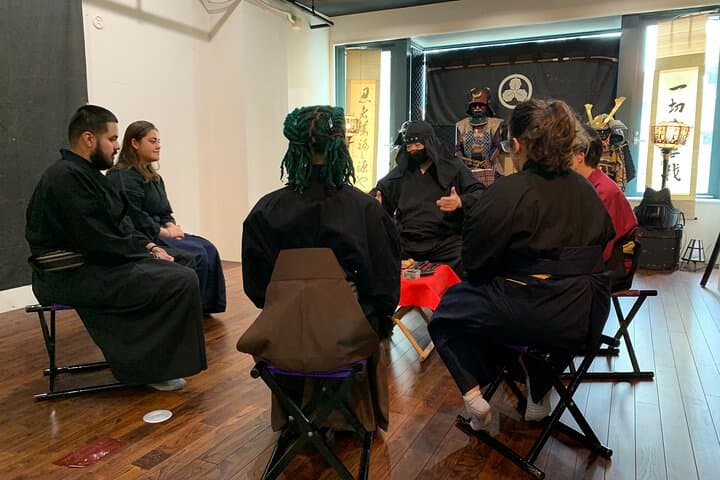
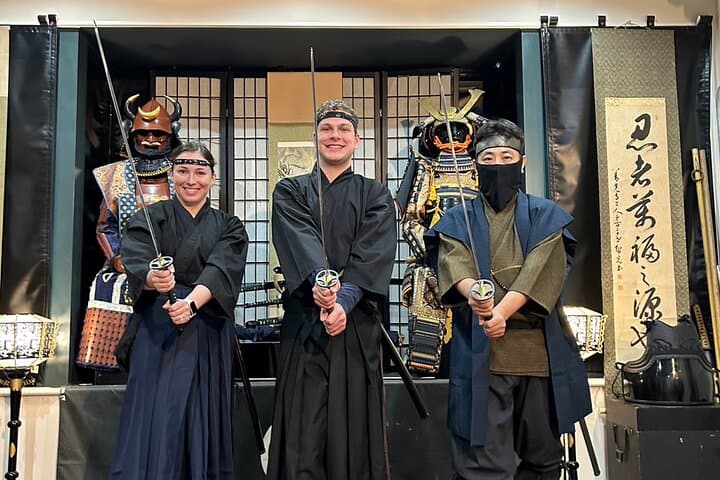
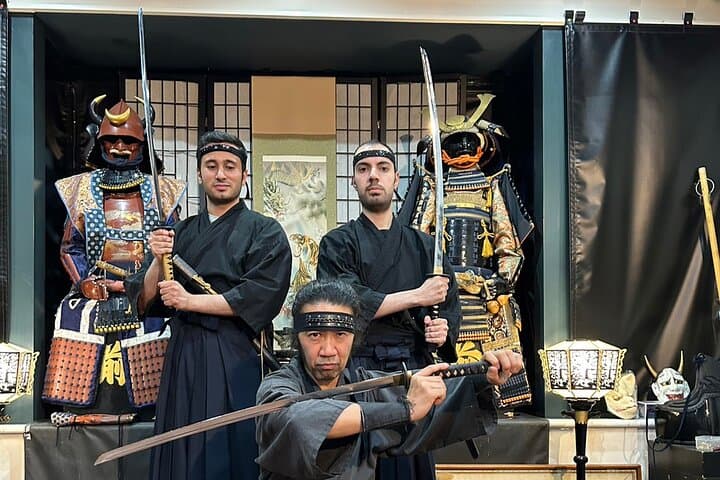
Participants change into carefully tailored samurai or ninja attire, the fabric settling against shoulders while an instructor leads a short, calming meditation. The room is spare: tatami underfoot, wooden implements displayed with precise spacing, and the quiet focus that defined Japan’s warrior classes. The session moves from demonstration to hands-on ritual—bowing etiquette, symbolic tools, and mindfulness-based movement that trains posture and attention rather than combat.
Historically, samurai (bushi) were the military-administrative class formalized in the Kamakura and Tokugawa periods; ninja traditions trace to the covert scouts of Iga and Koga prefectures. Tokyo itself sits on the Kanto Plain, a modern metropolis built where rivers and bays shaped transport and trade for centuries—context that shaped the urban patronage of martial arts and performance.
Local insight: instructors double as interpreters and often tailor the narrative to guest interests, so ask about clan stories or specific weapons. Respect for props and costumes is part of the lesson: handle items lightly and follow guidance.
Practical guidance: the experience is one hour, accessible to most fitness levels, and requires a minimum of two people. Arrive 10 minutes early for fitting; wear thin, comfortable layers beneath the rented garb and avoid strong perfumes that can linger in costumes. Photography is usually allowed for the commemorative photo; check with staff about on-site bookings and group customizations. This is a compact cultural immersion that rewards curiosity and courteous participation.
easy.
1 hour.
Suitable for all fitness levels; requires only light standing and brief movement
Children can participate but must be accompanied by a participating adult; check provider policies for exact age recommendations.
Yes—licensed interpreters are typically provided as part of the session to enable real-time translation.
No prior training is required; the session focuses on etiquette, history, and mindful movement rather than combat.
Yes—custom on-site experiences are offered; contact the provider in advance to arrange logistics and minimum group requirements.
Samurai culture was codified under successive shogunates while ninjutsu developed as regional espionage and survival techniques in Iga and Koga; both traditions feed modern theatrical and educational practices.
Providers emphasize respectful handling and cultural preservation—treat props as heritage objects and minimize single-use plastics; businesses often follow local waste-sorting rules.
Musashi Ninja Clan Honjin Dojo in Asakusa operates guided outdoor trips and adventures with an emphasis on safety, stewardship, and memorable experiences.
Step inside a low-light dojo and feel the weight of centuries in a single breath.
Step inside a low-light dojo and feel the weight of centuries in a single breath.
Participants change into carefully tailored samurai or ninja attire, the fabric settling against shoulders while an instructor leads a short, calming meditation. The room is spare: tatami underfoot, wooden implements displayed with precise spacing, and the quiet focus that defined Japan’s warrior classes. The session moves from demonstration to hands-on ritual—bowing etiquette, symbolic tools, and mindfulness-based movement that trains posture and attention rather than combat.
Historically, samurai (bushi) were the military-administrative class formalized in the Kamakura and Tokugawa periods; ninja traditions trace to the covert scouts of Iga and Koga prefectures. Tokyo itself sits on the Kanto Plain, a modern metropolis built where rivers and bays shaped transport and trade for centuries—context that shaped the urban patronage of martial arts and performance.
Local insight: instructors double as interpreters and often tailor the narrative to guest interests, so ask about clan stories or specific weapons. Respect for props and costumes is part of the lesson: handle items lightly and follow guidance.
Practical guidance: the experience is one hour, accessible to most fitness levels, and requires a minimum of two people. Arrive 10 minutes early for fitting; wear thin, comfortable layers beneath the rented garb and avoid strong perfumes that can linger in costumes. Photography is usually allowed for the commemorative photo; check with staff about on-site bookings and group customizations. This is a compact cultural immersion that rewards curiosity and courteous participation.