THE ADVENTURE COLLECTIVE® · Independent discovery and booking for outdoor travel

This compact six-day private tour ties Stone Town’s history to spice gardens, Jozani’s rare red colobus and the classic Safari Blue boat day to sandbanks and snorkeling—ideal if you’re short on time but want a full island picture.
This compact six-day private tour ties Stone Town’s history to spice gardens, Jozani’s rare red colobus and the classic Safari Blue boat day to sandbanks and snorkeling—ideal if you’re short on time but want a full island picture.
You step off the ferry or out of the airport and the air slides over you—warm, humid, carrying salt and the sharp sweetness of cloves. Streets of Stone Town curve like old stories; wooden doors with brass studs watch you pass. Over the next six days this itinerary moves from city alleys to spice farms, mangrove shade and sandbanks where the ocean insists you slow down.
Verified experiences and guided adventures in the surrounding area.
Operated by Intrepid Explorer Tanzania · Stone Town, Zanzibar
You step off the ferry or out of the airport and the air slides over you—warm, humid, carrying salt and the sharp sweetness of cloves. Streets of Stone Town curve like old stories; wooden doors with brass studs watch you pass. Over the next six days this itinerary moves from city alleys to spice farms, mangrove shade and sandbanks where the ocean insists you slow down.
Stone Town is a compact chapter of Omani and Swahili history: markets, the old slave market site, coral-stone buildings and narrow lanes that funnel sea breezes. Geologically Zanzibar is a coral island—limestone and mangrove flats—so expect powdery white sand and fringing reefs shaped by tides and currents. Kizimbani’s spice gardens illustrate why Zanzibar powered the Indian Ocean trade: cloves, cinnamon and nutmeg still grow in small plots tended by families.
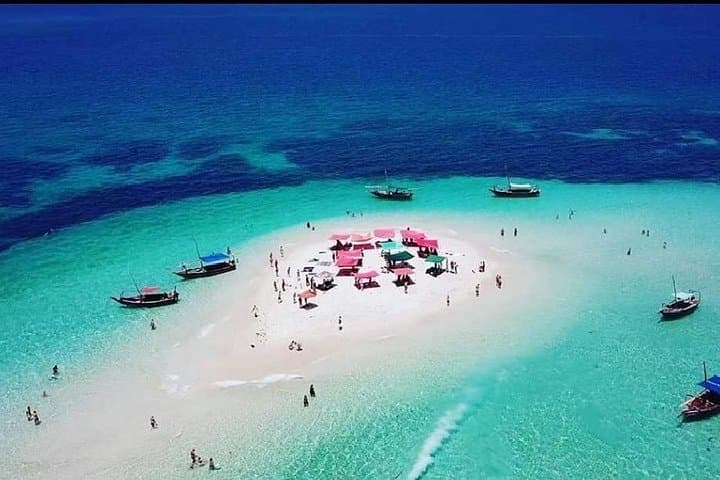
Prison Island offers giant tortoises and a short boat hop (roughly 20–30 minutes from Stone Town), while the Safari Blue day trip from Fumba serves snorkeling on reef flats and seafood lunches on sandbanks. In Jozani Forest you’ll listen for the rattle and chatter of the Zanzibar red colobus as you walk boardwalks through mangrove edges.
Practical edge: this is an easy-paced private tour with hotel pickups; bring reef-safe sunscreen, a reef snorkel or rent gear, light walking shoes for town and muddy boardwalks, and insect repellent for dusk. Boat transfers can be bumpy—carry a dry bag for electronics and plan for short transfers of 20–60 minutes between sites. Travel with local guides to support small communities and get the cleanest route through markets and reserves.
easy.
6 days.
Light activity—suitable for travelers comfortable with 1–3 hours of walking some days, hotel-to-boat transfers, and short hikes on boardwalks.
Check with your doctor—routine vaccinations should be up to date; malaria prophylaxis is recommended depending on season and your itinerary, and yellow fever vaccination may be required if arriving from a risk country.
Boat legs vary: Prison Island is typically a 20–30 minute trip from Stone Town, while Safari Blue departs from Fumba with multiple short hops to sandbanks—plan for 30–60 minute stretches on open water.
The operator lists wheelchair-accessible options and transport; however, some sites (boardwalks in Jozani and sandbanks) may be uneven—confirm specific accessibility needs when booking.
Tanzanian shillings are used for local purchases; many establishments accept card in Stone Town but carry cash for markets and tips—tipping local guides and boat crews is customary.
Zanzibar’s history is shaped by Swahili trade, Omani sultanate influence and the spice and slave trades—Stone Town’s coral stone architecture reflects that layered past.
Coral reefs and mangroves are sensitive; use reef-safe products, avoid touching corals, and support local guides and community-run conservation fees to help preserve habitats.
Intrepid Explorer Tanzania operates guided outdoor trips and adventures with an emphasis on safety, stewardship, and memorable experiences.


You step off the ferry or out of the airport and the air slides over you—warm, humid, carrying salt and the sharp sweetness of cloves. Streets of Stone Town curve like old stories; wooden doors with brass studs watch you pass. Over the next six days this itinerary moves from city alleys to spice farms, mangrove shade and sandbanks where the ocean insists you slow down.
You step off the ferry or out of the airport and the air slides over you—warm, humid, carrying salt and the sharp sweetness of cloves. Streets of Stone Town curve like old stories; wooden doors with brass studs watch you pass. Over the next six days this itinerary moves from city alleys to spice farms, mangrove shade and sandbanks where the ocean insists you slow down.
Stone Town is a compact chapter of Omani and Swahili history: markets, the old slave market site, coral-stone buildings and narrow lanes that funnel sea breezes. Geologically Zanzibar is a coral island—limestone and mangrove flats—so expect powdery white sand and fringing reefs shaped by tides and currents. Kizimbani’s spice gardens illustrate why Zanzibar powered the Indian Ocean trade: cloves, cinnamon and nutmeg still grow in small plots tended by families.
Prison Island offers giant tortoises and a short boat hop (roughly 20–30 minutes from Stone Town), while the Safari Blue day trip from Fumba serves snorkeling on reef flats and seafood lunches on sandbanks. In Jozani Forest you’ll listen for the rattle and chatter of the Zanzibar red colobus as you walk boardwalks through mangrove edges.
Practical edge: this is an easy-paced private tour with hotel pickups; bring reef-safe sunscreen, a reef snorkel or rent gear, light walking shoes for town and muddy boardwalks, and insect repellent for dusk. Boat transfers can be bumpy—carry a dry bag for electronics and plan for short transfers of 20–60 minutes between sites. Travel with local guides to support small communities and get the cleanest route through markets and reserves.