THE ADVENTURE COLLECTIVE® · Independent discovery and booking for outdoor travel

A private six-day itinerary that moves from Xiamen’s island charm to Guilin’s karst panoramas, including Hakka tulou, Longji rice terraces, Dong villages, cycling along the Yulong River and a Li River raft.
A private six-day itinerary that moves from Xiamen’s island charm to Guilin’s karst panoramas, including Hakka tulou, Longji rice terraces, Dong villages, cycling along the Yulong River and a Li River raft.
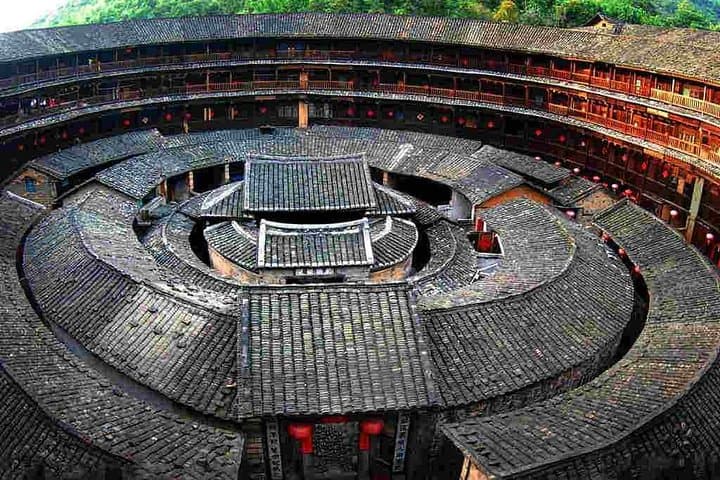
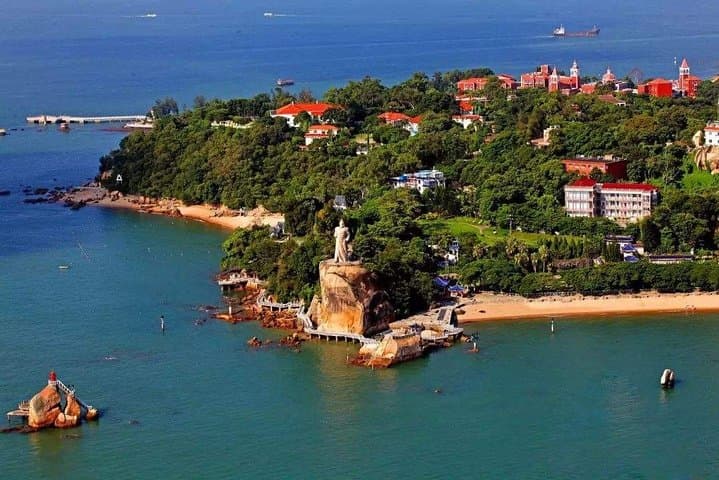
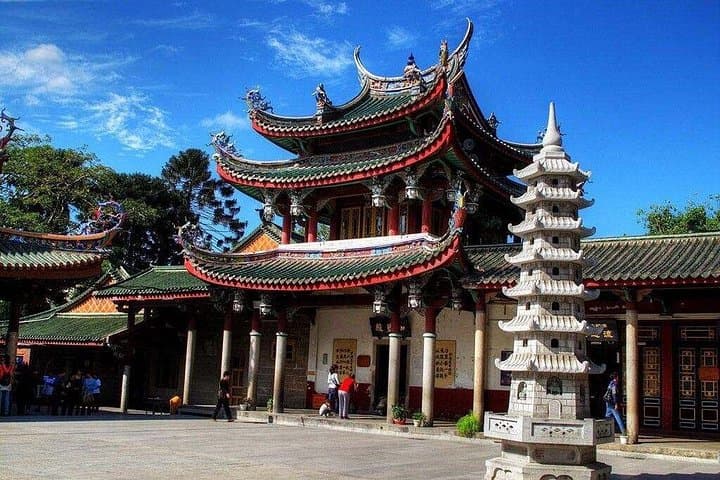
Morning light slices across Xiamen’s harbor as a private driver collects you from your hotel and the trip’s cadence settles into coastal roads, ferries and mountain passes. Within two days the sea gives way to karst peaks: Gulangyu’s piano-lined lanes, the earthen rings of Yongding’s Hakka tulou, the stepped geometry of Longji rice terraces and the slow, green sweep of the Li and Yulong rivers.
Verified experiences and guided adventures in the surrounding area.
Operated by happychinatours · Xiamen, Fujian
Morning light slices across Xiamen’s harbor as a private driver collects you from your hotel and the trip’s cadence settles into coastal roads, ferries and mountain passes. Within two days the sea gives way to karst peaks: Gulangyu’s piano-lined lanes, the earthen rings of Yongding’s Hakka tulou, the stepped geometry of Longji rice terraces and the slow, green sweep of the Li and Yulong rivers.
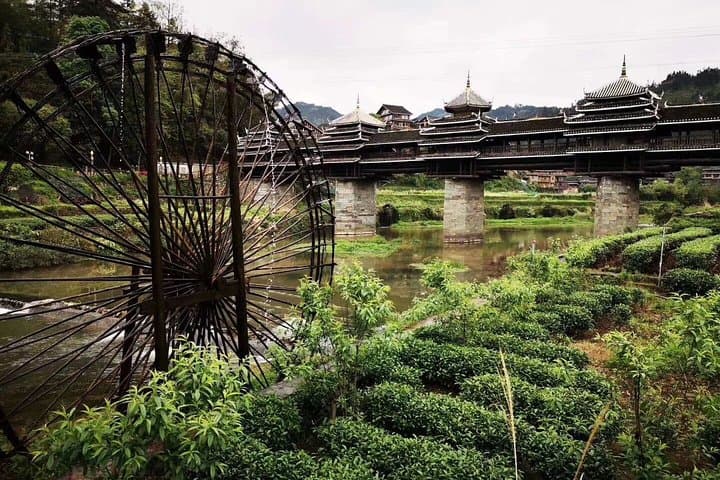
This route threads China’s south-eastern history and landscape. Fujian’s tulou — communal earthen forts from Ming and Qing eras — reveal Hakka social architecture; Gulangyu preserves colonial villas and a piano museum from treaty-port days. In Guangxi, the Longji terraces are carved into slopes by Zhuang and Yao communities over centuries, while the Li River’s limestone karsts are a product of millennia of fluvial erosion.
Expect mixed terrain: short ferry transfers, paved town walks, a 30–40 minute stepped ascent into Ping’an Village (moderate stair climb with several hundred meters of cumulative elevation), gentle cycling 15–25 km along the Yulong River countryside, and a 1-hour motorized raft down the Li. Daily travel includes an internal flight Xiamen–Guilin and multiple 2–3 hour drives between sites.
Practical guidance: pack layers and sturdy walking shoes for stairs and slick stone paths, bring sunscreen and a refillable bottle for long drives and outdoor time, and schedule the terrace visit for morning or late afternoon light to avoid midday haze. The private guide arranges entrance fees and local transfers; personal pacing and mobility limits are the main variables to plan around.
moderate.
6 days.
Suitable for travelers who can manage several 30–60 minute walks, stair climbs and a 15–25 km cycle at a relaxed pace.
Yes; the itinerary includes a scheduled economy flight between Xiamen and Guilin as part of the package.
The main approach involves stepped trails and a 30–40 minute climb into Ping’an Village—expect many stone steps and several short steep sections.
Yes; the Yangshuo countryside ride offers bicycle or e-bike options—confirm with your guide in advance to reserve e-bikes.
Entrance tickets to listed attractions and six lunches are included; additional personal expenses and optional shows are not included.
The tulou of Yongding reflect communal Hakka living from the Ming and Qing periods, built for defense, storage and social organization.
Tourism pressure can strain small villages and river ecosystems—stick to paths, avoid single-use plastics and respect local farming schedules.
happychinatours operates guided outdoor trips and adventures with an emphasis on safety, stewardship, and memorable experiences.
Morning light slices across Xiamen’s harbor as a private driver collects you from your hotel and the trip’s cadence settles into coastal roads, ferries and mountain passes. Within two days the sea gives way to karst peaks: Gulangyu’s piano-lined lanes, the earthen rings of Yongding’s Hakka tulou, the stepped geometry of Longji rice terraces and the slow, green sweep of the Li and Yulong rivers.
Morning light slices across Xiamen’s harbor as a private driver collects you from your hotel and the trip’s cadence settles into coastal roads, ferries and mountain passes. Within two days the sea gives way to karst peaks: Gulangyu’s piano-lined lanes, the earthen rings of Yongding’s Hakka tulou, the stepped geometry of Longji rice terraces and the slow, green sweep of the Li and Yulong rivers.
This route threads China’s south-eastern history and landscape. Fujian’s tulou — communal earthen forts from Ming and Qing eras — reveal Hakka social architecture; Gulangyu preserves colonial villas and a piano museum from treaty-port days. In Guangxi, the Longji terraces are carved into slopes by Zhuang and Yao communities over centuries, while the Li River’s limestone karsts are a product of millennia of fluvial erosion.
Expect mixed terrain: short ferry transfers, paved town walks, a 30–40 minute stepped ascent into Ping’an Village (moderate stair climb with several hundred meters of cumulative elevation), gentle cycling 15–25 km along the Yulong River countryside, and a 1-hour motorized raft down the Li. Daily travel includes an internal flight Xiamen–Guilin and multiple 2–3 hour drives between sites.
Practical guidance: pack layers and sturdy walking shoes for stairs and slick stone paths, bring sunscreen and a refillable bottle for long drives and outdoor time, and schedule the terrace visit for morning or late afternoon light to avoid midday haze. The private guide arranges entrance fees and local transfers; personal pacing and mobility limits are the main variables to plan around.