THE ADVENTURE COLLECTIVE® · Independent discovery and booking for outdoor travel

Cover Cairo, Luxor and Alexandria in six days aboard a VIP train — ancient temples, Nile-side mornings and Mediterranean breezes. This compact loop pairs early starts at the monuments with practical tips to help you navigate heat, crowds and cultural customs.
Cover Cairo, Luxor and Alexandria in six days aboard a VIP train — ancient temples, Nile-side mornings and Mediterranean breezes. This compact loop pairs early starts at the monuments with practical tips to help you navigate heat, crowds and cultural customs.
You step off the VIP train as the Nile slides past in slow, steady confidence — a ribbon that has shaped cities and seasons for millennia. In Cairo the air carries dust, spice and traffic; in Luxor the river broadens and temples rise like weathered libraries; on Alexandria the Mediterranean wind trims your breath and loosens the taste of seafood on your tongue.
Verified experiences and guided adventures in the surrounding area.
Operated by bes Egypt tours - day tours · Cairo, Cairo Governorate
You step off the VIP train as the Nile slides past in slow, steady confidence — a ribbon that has shaped cities and seasons for millennia. In Cairo the air carries dust, spice and traffic; in Luxor the river broadens and temples rise like weathered libraries; on Alexandria the Mediterranean wind trims your breath and loosens the taste of seafood on your tongue.
This six-day loop strings together Pharaonic temples, Greco-Roman ruins and Ottoman alleys. The geology is simple and obvious: the life of the Nile cut a fertile corridor through limestone and sandstone, and ancient builders hauled those stones into colossal façades — Karnak’s pylons and Luxor’s colonnades are the clearest evidence. Culturally you’ll cross Coptic quarters, Islamic Cairo streets and the Hellenistic grid of Alexandria; local guides add context to hieroglyphic inscriptions and Ottoman-era architecture.
Expect city walking of 3–8 km per day on mostly flat surfaces, short drives between sites, and early starts to catch soft morning light at the temples. Entrance fees for the core sites are typically covered on structured tours, but plan for optional extras and small museum surcharges. Hydrate, wear a wide-brim hat and sturdy shoes; the sun is insistent and shade limited around ruins. Temperatures swing from hot afternoons to cool evenings — light layers work best.
Practical notes: carry local currency for tips and markets, photocopy travel documents, and book early starts for Luxor’s West Bank to avoid crowds. This itinerary moves from urban chaos to river quiet and back again, giving a focused, tactile encounter with Egypt’s layered past.
easy.
6 days.
Suitable for travelers in general good health who can manage repeated days of 3–8 km walking on flat but uneven surfaces.
Core entrance fees and a qualified guide are commonly included on packaged VIP tours, but confirm which specific sites and any optional museum fees are covered before booking.
Expect moderate walking of roughly 3–8 km per day on mostly flat surfaces with some uneven stone at temple sites; mobility requirements are generally low.
This itinerary is marketed as suitable for general fitness levels, but many ancient sites have uneven ground and steps — contact the operator to discuss accessibility and any transfer needs.
Autumn through spring (October–April) offers the most comfortable temperatures; summer can be very hot, especially inland around Luxor.
This route follows threads of Egyptian civilization — Pharaonic temples, Hellenistic Alexandria and Islamic Cairo — reflecting thousands of years of continuous urban and ritual life.
High visitor numbers stress fragile sites and local water resources; stick to marked paths, avoid touching reliefs and support local guides who follow site-preservation rules.
bes Egypt tours - day tours operates guided outdoor trips and adventures with an emphasis on safety, stewardship, and memorable experiences.
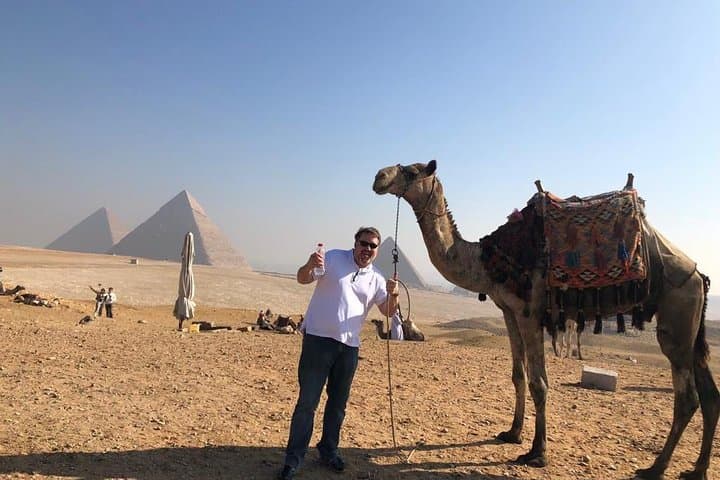
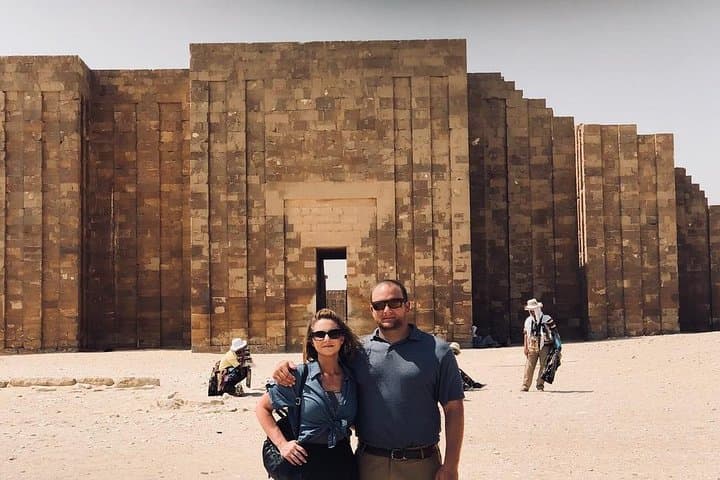
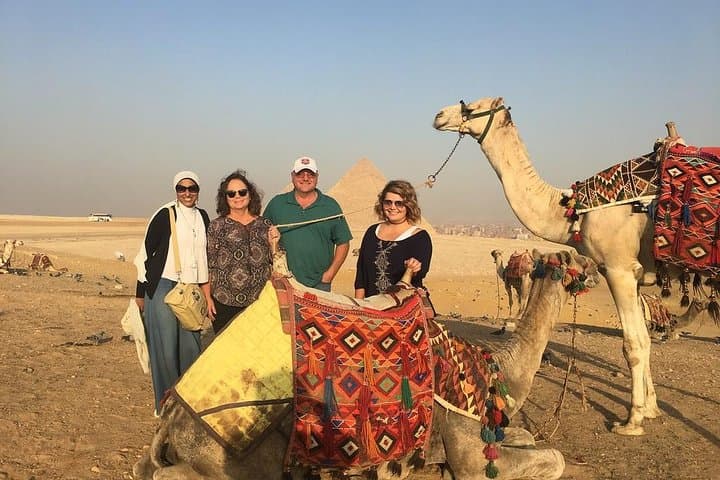
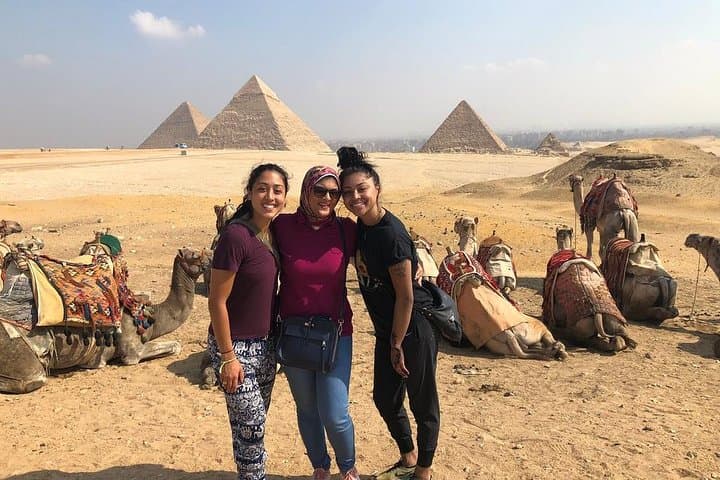
You step off the VIP train as the Nile slides past in slow, steady confidence — a ribbon that has shaped cities and seasons for millennia. In Cairo the air carries dust, spice and traffic; in Luxor the river broadens and temples rise like weathered libraries; on Alexandria the Mediterranean wind trims your breath and loosens the taste of seafood on your tongue.
You step off the VIP train as the Nile slides past in slow, steady confidence — a ribbon that has shaped cities and seasons for millennia. In Cairo the air carries dust, spice and traffic; in Luxor the river broadens and temples rise like weathered libraries; on Alexandria the Mediterranean wind trims your breath and loosens the taste of seafood on your tongue.
This six-day loop strings together Pharaonic temples, Greco-Roman ruins and Ottoman alleys. The geology is simple and obvious: the life of the Nile cut a fertile corridor through limestone and sandstone, and ancient builders hauled those stones into colossal façades — Karnak’s pylons and Luxor’s colonnades are the clearest evidence. Culturally you’ll cross Coptic quarters, Islamic Cairo streets and the Hellenistic grid of Alexandria; local guides add context to hieroglyphic inscriptions and Ottoman-era architecture.
Expect city walking of 3–8 km per day on mostly flat surfaces, short drives between sites, and early starts to catch soft morning light at the temples. Entrance fees for the core sites are typically covered on structured tours, but plan for optional extras and small museum surcharges. Hydrate, wear a wide-brim hat and sturdy shoes; the sun is insistent and shade limited around ruins. Temperatures swing from hot afternoons to cool evenings — light layers work best.
Practical notes: carry local currency for tips and markets, photocopy travel documents, and book early starts for Luxor’s West Bank to avoid crowds. This itinerary moves from urban chaos to river quiet and back again, giving a focused, tactile encounter with Egypt’s layered past.