THE ADVENTURE COLLECTIVE® · Independent discovery and booking for outdoor travel

Covering Istanbul’s imperial landmarks, Pamukkale’s white terraces, the marble streets of Ephesus, and Cappadocia’s otherworldly rock formations, this six-day tour compresses Turkey’s highlights into an active, well-paced itinerary. Expect early starts, domestic flights, and plenty of walking on uneven stone.
Covering Istanbul’s imperial landmarks, Pamukkale’s white terraces, the marble streets of Ephesus, and Cappadocia’s otherworldly rock formations, this six-day tour compresses Turkey’s highlights into an active, well-paced itinerary. Expect early starts, domestic flights, and plenty of walking on uneven stone.
You step from a taxi into the humid buzz of Taksim, the Bosphorus a silver ribbon beyond the traffic, and already the trip feels layered—Byzantine mosaics, steam rising from thermal pools, and volcanic spires waiting a few days later.
Verified experiences and guided adventures in the surrounding area.
Operated by One Nation Travel · Istanbul, Istanbul
You step from a taxi into the humid buzz of Taksim, the Bosphorus a silver ribbon beyond the traffic, and already the trip feels layered—Byzantine mosaics, steam rising from thermal pools, and volcanic spires waiting a few days later.
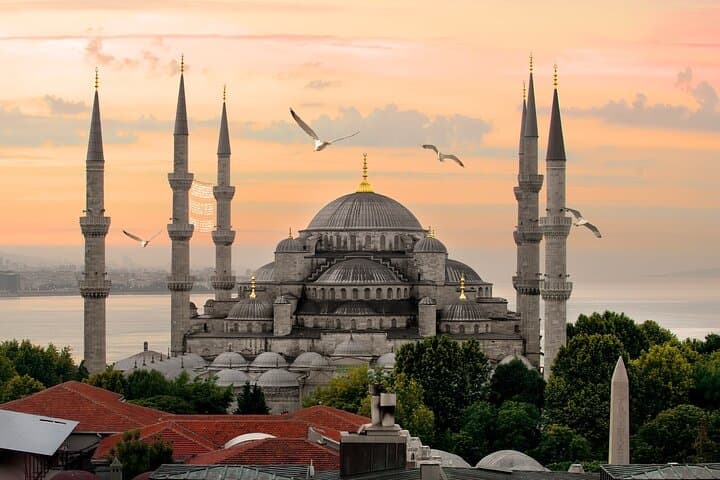
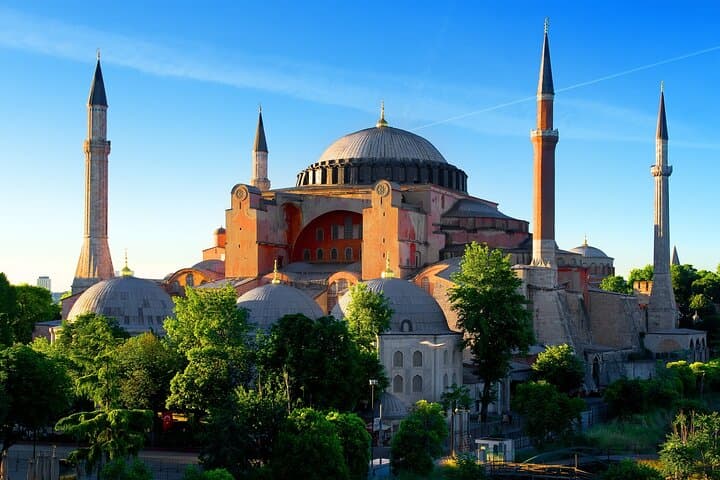
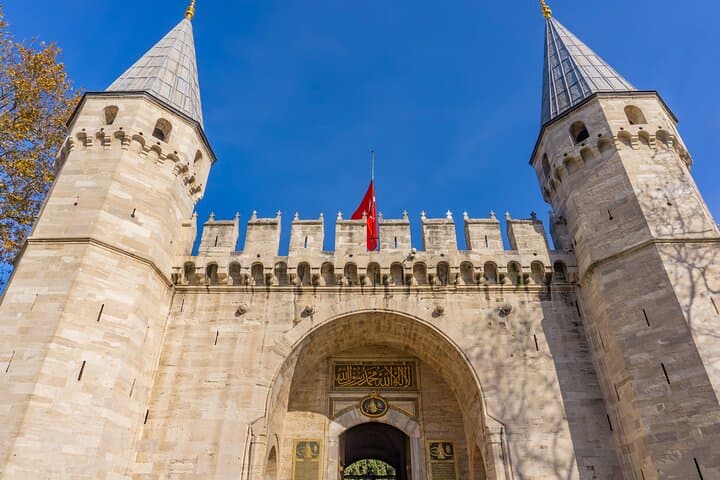
This six-day sweep across western and central Turkey condenses centuries into a brisk, well-staged itinerary. Day two unfolds in Istanbul’s old city: the Hagia Sophia’s cavernous dome that once announced imperial power, the Blue Mosque’s cool tilework where Friday prayers still gather, and Topkapı Palace’s guarded courtyards where Ottoman sultans kept watch over a growing empire. These sites aren’t just photogenic; they’re chapters in a city whose geography made it a bridge between continents and religions.
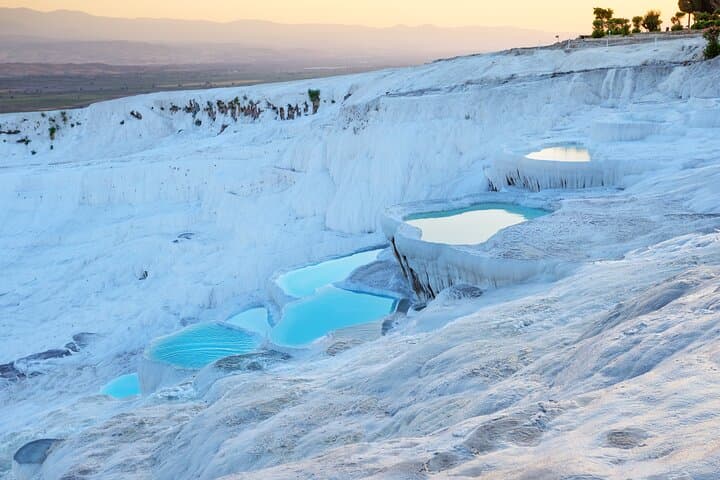
A domestic flight drops you near Pamukkale, where geology takes the leading role. Calcium-rich springs have, over millennia, deposited white travertine terraces—bright, fragile steps that funnel warm water into shallow pools. Walk them barefoot as locals have for decades, then thread ruins of Hierapolis above the terraces: a Roman theater hunched on limestone, necropoleis, and the occasional submerged column glinting in thermal waters.
Ephesus follows with marble-paved streets and the Library of Celsus: one of the Roman world’s most articulate ruins. Nearby, the modest House of the Virgin Mary offers a quieter, contemplative counterpoint to the sweeping amphitheater where philosophers, merchants, and pilgrims once crossed paths.
Cappadocia finishes the arc with a different geology and human ingenuity. Volcanic ash hardened into tuff; soft enough to be carved, hard enough to shelter entire communities. You’ll move through Göreme’s open-air museum—rock churches painted with Byzantine frescoes—then descend into an underground city where ventilation shafts and church rooms recall a subterranean life shaped by survival.
Practical edge: domestic flights are included, but luggage limits and early departures mean pack light and plan for early wake-ups. Expect uneven stone, steps, and cobbled streets—sturdy shoes matter. Pamukkale’s terraces can be hot in summer; bring a hat and water and respect roped-off areas to protect the calcium formations. The pace is active but measured: most days combine guided walking with hotel transfers and one-night cave-hotel lodging that offers a rare chance to sleep inside carved rock.
This itinerary packages Turkey’s historical sweep and geological variety into six intense days. For travelers who want a concentrated primer on the country’s standouts—without the logistics—this tour reads like a tightly edited guidebook: efficient, sensory, and fundamentally walkable.
moderate.
6 days.
Moderate fitness: be comfortable walking 3–5 miles a day with stairs and uneven surfaces.
Yes—three domestic legs are included (Istanbul–Denizli, Izmir–Kayseri, Kayseri–Istanbul) and coordinated with the itinerary.
There is an optional, ticketed swim in the historic Cleopatra-style pool at Hierapolis; the white terraces are for walking barefoot only and swimming is not allowed there.
No; hot-air balloon rides are optional and booked separately—arrange in advance as they fill early, especially in high season.
Expect moderate walking with uneven surfaces—roughly 3–5 miles many days, including staircases and cobbled streets.
Breakfast is included each morning and four lunches are provided; other meals and drinks are typically extra unless specified.
Not recommended for those with significant mobility limitations due to steps, narrow passages in Cappadocia, and uneven terrain at archaeological sites.
The route stitches together layers of Anatolian history—from Byzantine Constantinople, through Roman Asia Minor’s prosperous cities, to Ottoman-era Istanbul—each stop reflecting shifts in trade, faith, and empire.
Pamukkale’s travertines are fragile: stay on designated paths and avoid soaps or lotions in thermal pools; Cappadocia faces erosion pressure, so support local guides and respect marked trails.
One Nation Travel operates guided outdoor trips and adventures with an emphasis on safety, stewardship, and memorable experiences.
You step from a taxi into the humid buzz of Taksim, the Bosphorus a silver ribbon beyond the traffic, and already the trip feels layered—Byzantine mosaics, steam rising from thermal pools, and volcanic spires waiting a few days later.
You step from a taxi into the humid buzz of Taksim, the Bosphorus a silver ribbon beyond the traffic, and already the trip feels layered—Byzantine mosaics, steam rising from thermal pools, and volcanic spires waiting a few days later.
This six-day sweep across western and central Turkey condenses centuries into a brisk, well-staged itinerary. Day two unfolds in Istanbul’s old city: the Hagia Sophia’s cavernous dome that once announced imperial power, the Blue Mosque’s cool tilework where Friday prayers still gather, and Topkapı Palace’s guarded courtyards where Ottoman sultans kept watch over a growing empire. These sites aren’t just photogenic; they’re chapters in a city whose geography made it a bridge between continents and religions.
A domestic flight drops you near Pamukkale, where geology takes the leading role. Calcium-rich springs have, over millennia, deposited white travertine terraces—bright, fragile steps that funnel warm water into shallow pools. Walk them barefoot as locals have for decades, then thread ruins of Hierapolis above the terraces: a Roman theater hunched on limestone, necropoleis, and the occasional submerged column glinting in thermal waters.
Ephesus follows with marble-paved streets and the Library of Celsus: one of the Roman world’s most articulate ruins. Nearby, the modest House of the Virgin Mary offers a quieter, contemplative counterpoint to the sweeping amphitheater where philosophers, merchants, and pilgrims once crossed paths.
Cappadocia finishes the arc with a different geology and human ingenuity. Volcanic ash hardened into tuff; soft enough to be carved, hard enough to shelter entire communities. You’ll move through Göreme’s open-air museum—rock churches painted with Byzantine frescoes—then descend into an underground city where ventilation shafts and church rooms recall a subterranean life shaped by survival.
Practical edge: domestic flights are included, but luggage limits and early departures mean pack light and plan for early wake-ups. Expect uneven stone, steps, and cobbled streets—sturdy shoes matter. Pamukkale’s terraces can be hot in summer; bring a hat and water and respect roped-off areas to protect the calcium formations. The pace is active but measured: most days combine guided walking with hotel transfers and one-night cave-hotel lodging that offers a rare chance to sleep inside carved rock.
This itinerary packages Turkey’s historical sweep and geological variety into six intense days. For travelers who want a concentrated primer on the country’s standouts—without the logistics—this tour reads like a tightly edited guidebook: efficient, sensory, and fundamentally walkable.