THE ADVENTURE COLLECTIVE® · Independent discovery and booking for outdoor travel

A six-day circuit from Hammamet to the Sahara and Djerba, this tour pairs UNESCO sites, oasis towns and desert vistas with accessible travel logistics and hotel stays. Ideal for first-time visitors who want a paced introduction to Tunisia’s cultural and natural highlights.
A six-day circuit from Hammamet to the Sahara and Djerba, this tour pairs UNESCO sites, oasis towns and desert vistas with accessible travel logistics and hotel stays. Ideal for first-time visitors who want a paced introduction to Tunisia’s cultural and natural highlights.
You step off the coach into Kairouan’s warm light and the call to prayer threads through alleys where wool merchants still fold carpets by hand.
Verified experiences and guided adventures in the surrounding area.
Operated by Tekiki Tours · Hammamet, Nabeul Governorate
You step off the coach into Kairouan’s warm light and the call to prayer threads through alleys where wool merchants still fold carpets by hand.
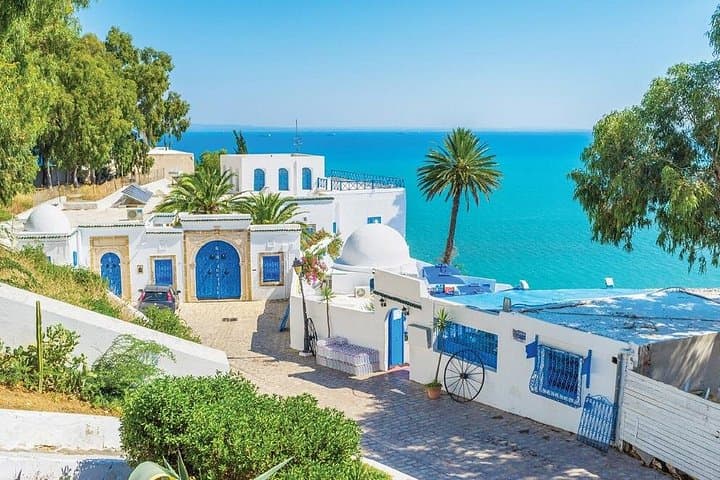
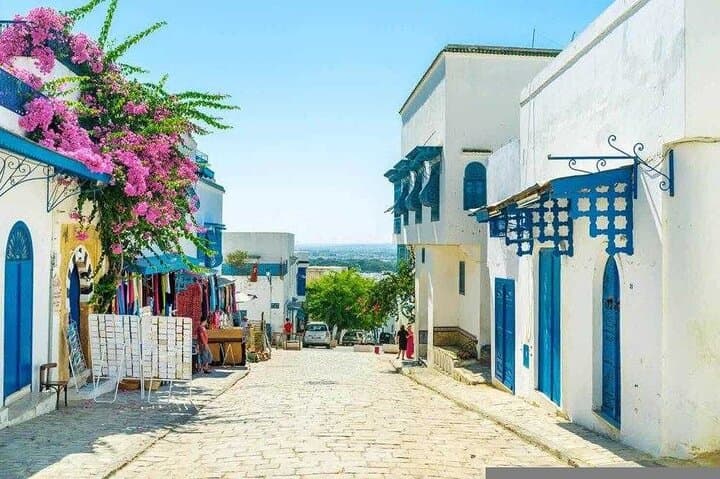
Over six days the tour moves from Mediterranean coastlines near Hammamet deep into the southern oases and back to the Roman ruins of El Djem — a compact loop that introduces Tunisia’s layered geography: fertile coastal plains, the cracked mirror of Chott El Jerid, palm-lined oases around Tozeur and the white-and-blue lanes of Sidi Bou Said.
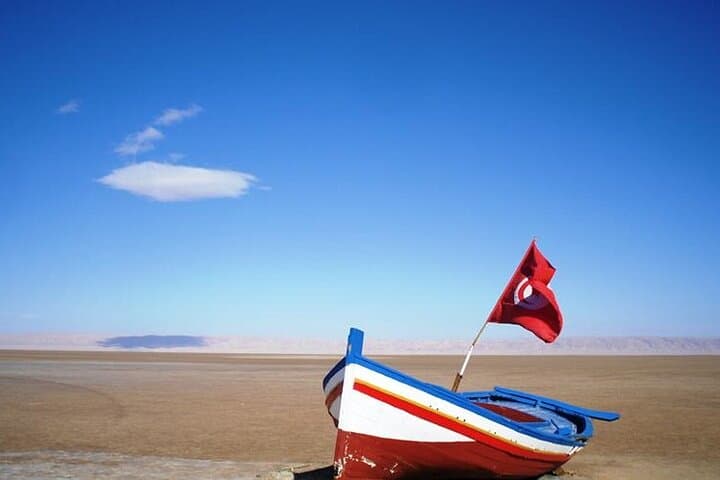
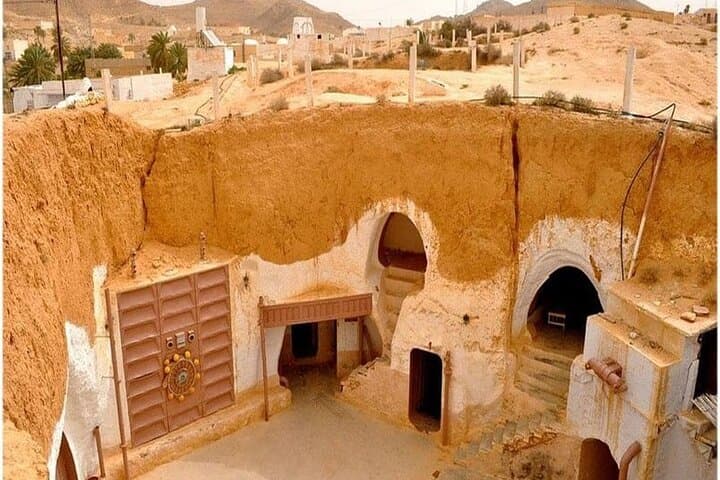
History here is visible: Kairouan’s Great Mosque anchors early Islamic learning, Roman El Djem speaks to Africa’s imperial past, and the troglodyte homes of Matmata show vernacular ingenuity shaped by climate. Geology alternates between limestone ruins and wind-sculpted dunes; Chott El Jerid’s evaporite plain can flash brilliant reflections in certain seasons.
Culturally the trip mixes souk browsing, pottery at Guellal, and a ferry crossing to Djerba where Jewish and Berber influences remain present. Optional 4x4 and camel rides let you sample Sahara access without technical demands.
Practical guidance: pack sun protection, a refillable water bottle and comfortable walking shoes — hotels are half-board with most entrances included but expect several hours on the road between stops. Summers are hot and dusty; spring and fall offer the most comfortable touring weather. Bring small local currency for markets and tips, and confirm pickup details in advance. This itinerary balances sightseeing with time to absorb place, ideal for travelers wanting concentrated cultural and desert exposure without intense trekking.
easy.
6 days.
Suitable for travelers in regular, everyday fitness; most walking is moderate and guided transfers handle distances.
Yes — standard tour logistics include coach transfers of luggage; pack a small daypack for walking stages.
The tour is rated easy: most activities involve short guided walks, with longer periods on the coach between destinations.
Accommodation is half-board: most breakfasts and dinners are included; check specifics for lunches which are sometimes provided.
Visa requirements depend on nationality; ensure your passport has at least six months validity and check Tunisia entry rules before travel.
The route links Roman, Phoenician and Islamic influences — El Djem’s amphitheatre and Kairouan’s mosque reflect Tunisia’s role as a Mediterranean crossroads.
Visitors should stick to marked paths in oases and desert margins; water is scarce, so minimizing consumption and avoiding single-use plastics helps local sustainability.
Tekiki Tours operates guided outdoor trips and adventures with an emphasis on safety, stewardship, and memorable experiences.
You step off the coach into Kairouan’s warm light and the call to prayer threads through alleys where wool merchants still fold carpets by hand.
You step off the coach into Kairouan’s warm light and the call to prayer threads through alleys where wool merchants still fold carpets by hand.
Over six days the tour moves from Mediterranean coastlines near Hammamet deep into the southern oases and back to the Roman ruins of El Djem — a compact loop that introduces Tunisia’s layered geography: fertile coastal plains, the cracked mirror of Chott El Jerid, palm-lined oases around Tozeur and the white-and-blue lanes of Sidi Bou Said.
History here is visible: Kairouan’s Great Mosque anchors early Islamic learning, Roman El Djem speaks to Africa’s imperial past, and the troglodyte homes of Matmata show vernacular ingenuity shaped by climate. Geology alternates between limestone ruins and wind-sculpted dunes; Chott El Jerid’s evaporite plain can flash brilliant reflections in certain seasons.
Culturally the trip mixes souk browsing, pottery at Guellal, and a ferry crossing to Djerba where Jewish and Berber influences remain present. Optional 4x4 and camel rides let you sample Sahara access without technical demands.
Practical guidance: pack sun protection, a refillable water bottle and comfortable walking shoes — hotels are half-board with most entrances included but expect several hours on the road between stops. Summers are hot and dusty; spring and fall offer the most comfortable touring weather. Bring small local currency for markets and tips, and confirm pickup details in advance. This itinerary balances sightseeing with time to absorb place, ideal for travelers wanting concentrated cultural and desert exposure without intense trekking.