THE ADVENTURE COLLECTIVE® · Independent discovery and booking for outdoor travel

A six-day traverse of Ethiopia’s Simien Mountains that mixes high-plateau camping, steep ridgelines and a pre-dawn ascent of Ras Dashen. Expect gelada baboons, dramatic viewpoints and essential high-altitude planning.
A six-day traverse of Ethiopia’s Simien Mountains that mixes high-plateau camping, steep ridgelines and a pre-dawn ascent of Ras Dashen. Expect gelada baboons, dramatic viewpoints and essential high-altitude planning.
Dawn pulls a thin blue light across the Simien escarpment as your group leaves Gondar and climbs toward Sankaber: the first campsite sits above a sheer drop, where wind and cloud argue over the cliffs below.
Verified experiences and guided adventures in the surrounding area.
Operated by Simien Mountain Trekking and Tours · Debark, Amhara
Dawn pulls a thin blue light across the Simien escarpment as your group leaves Gondar and climbs toward Sankaber: the first campsite sits above a sheer drop, where wind and cloud argue over the cliffs below.
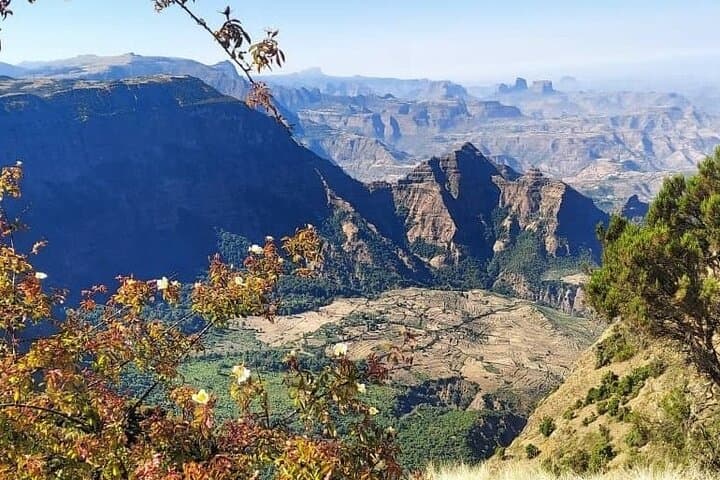
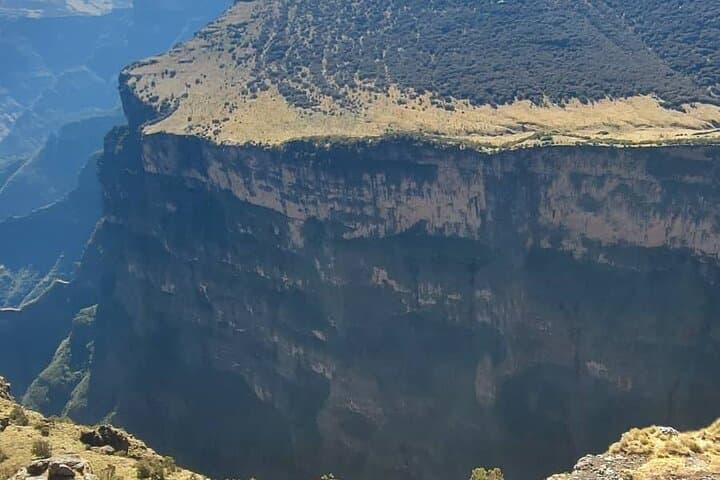
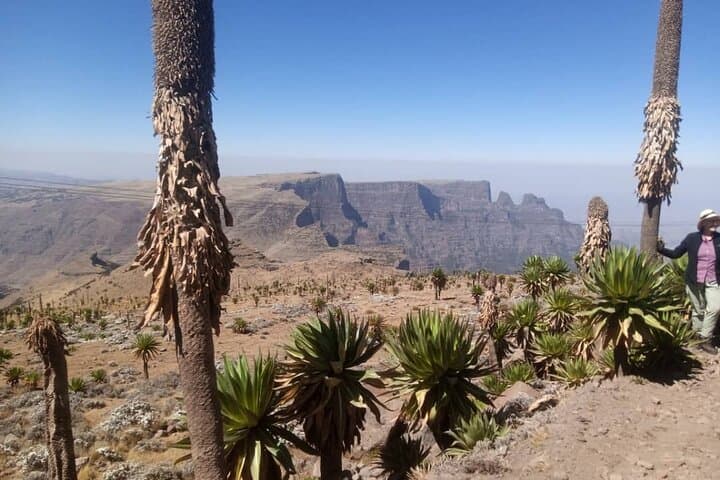
This six-day circuit moves from grassy highlands into a volcanic-formed landscape of domes, deep gorges and towering escarpments. The route passes Sankaber (≈3,250m), Imet Gogo (3,926m), fields of giant lobelia, the Jinbar waterfall plunging into a 500m abyss, and culminates with a pre-dawn ascent of Ras Dashen (~4,550m), Ethiopia’s highest peak.
Geology here reads like slow, explosive history—lava flows sculpted by millennia of erosion—while human history threads through nearby Gondar: an imperial capital with castles and a living highland culture. Expect local interactions in villages such as Gich, where coffee ceremonies and barley fields punctuate long days on the trail.
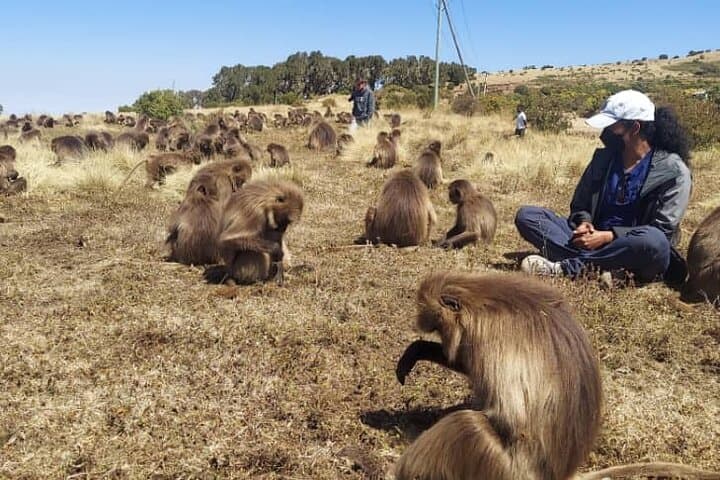
Trail surfaces vary: packed dirt, steep scree, grassy plateaus and narrow ridgelines. Wildlife steals scenes—gelada baboons forage on cliffs and Walia ibex graze near the camp edges—so keep distance and pack binoculars. The park is a UNESCO site; guided groups pay park fees and follow a leave-no-trace ethic.
Practical edge: the summit day gains roughly 1,000m of elevation pre-dawn; high-altitude fitness and staged acclimatization are essential. Camps are basic but supported (tents, cooked meals, scouts). Plan layers for freezing nights, carry at least 2–3 liters of water, and bring a sleeping bag rated to at least -5°C. Timing your trek in the dry months (October–February) avoids heavy rains and the slipperiest sections.
challenging.
6 days.
Strong cardiovascular fitness and prior multi-day trekking experience recommended; able to hike 6–8 hours with sustained elevation gain.
No technical climbing is required, but you should have multi-day high-altitude trekking experience and be comfortable with sustained uphill hiking and uneven terrain.
Park entrance and scout/guide fees are typically handled by the operator and listed in inclusions, but always confirm at booking.
Camps are basic field-style setups: tents, mattresses and communal meals prepared by local cooks; bring your own sleeping bag unless specified.
Ascend slowly, stay hydrated, avoid alcohol, and communicate any symptoms to guides immediately; descend if headaches, nausea or breathlessness worsen.
Simien Mountains formed from volcanic uplift and erosion; the park protects landscapes and communities tied to Gondar’s imperial history and highland farming traditions.
A UNESCO World Heritage site, the park relies on guided access and local scouts to limit impact—stick to campsites, pack out waste and support local services.
Simien Mountain Trekking and Tours operates guided outdoor trips and adventures with an emphasis on safety, stewardship, and memorable experiences.
Dawn pulls a thin blue light across the Simien escarpment as your group leaves Gondar and climbs toward Sankaber: the first campsite sits above a sheer drop, where wind and cloud argue over the cliffs below.
Dawn pulls a thin blue light across the Simien escarpment as your group leaves Gondar and climbs toward Sankaber: the first campsite sits above a sheer drop, where wind and cloud argue over the cliffs below.
This six-day circuit moves from grassy highlands into a volcanic-formed landscape of domes, deep gorges and towering escarpments. The route passes Sankaber (≈3,250m), Imet Gogo (3,926m), fields of giant lobelia, the Jinbar waterfall plunging into a 500m abyss, and culminates with a pre-dawn ascent of Ras Dashen (~4,550m), Ethiopia’s highest peak.
Geology here reads like slow, explosive history—lava flows sculpted by millennia of erosion—while human history threads through nearby Gondar: an imperial capital with castles and a living highland culture. Expect local interactions in villages such as Gich, where coffee ceremonies and barley fields punctuate long days on the trail.
Trail surfaces vary: packed dirt, steep scree, grassy plateaus and narrow ridgelines. Wildlife steals scenes—gelada baboons forage on cliffs and Walia ibex graze near the camp edges—so keep distance and pack binoculars. The park is a UNESCO site; guided groups pay park fees and follow a leave-no-trace ethic.
Practical edge: the summit day gains roughly 1,000m of elevation pre-dawn; high-altitude fitness and staged acclimatization are essential. Camps are basic but supported (tents, cooked meals, scouts). Plan layers for freezing nights, carry at least 2–3 liters of water, and bring a sleeping bag rated to at least -5°C. Timing your trek in the dry months (October–February) avoids heavy rains and the slipperiest sections.