THE ADVENTURE COLLECTIVE® · Independent discovery and booking for outdoor travel

Cross shifting dunes and sleeping under unfiltered Saharan skies on a six-day trek from M'hamid to Erg Chegaga. This trip blends camel rides, nomad camp life, and long desert walks with local guidance and simple, reliable logistics.
Cross shifting dunes and sleeping under unfiltered Saharan skies on a six-day trek from M'hamid to Erg Chegaga. This trip blends camel rides, nomad camp life, and long desert walks with local guidance and simple, reliable logistics.
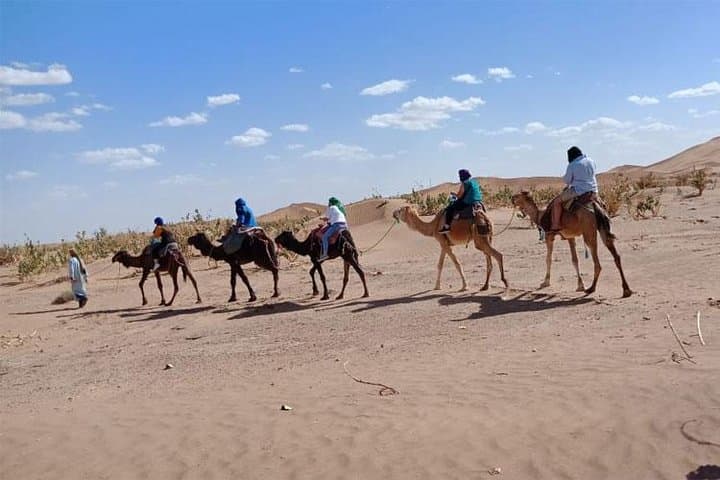
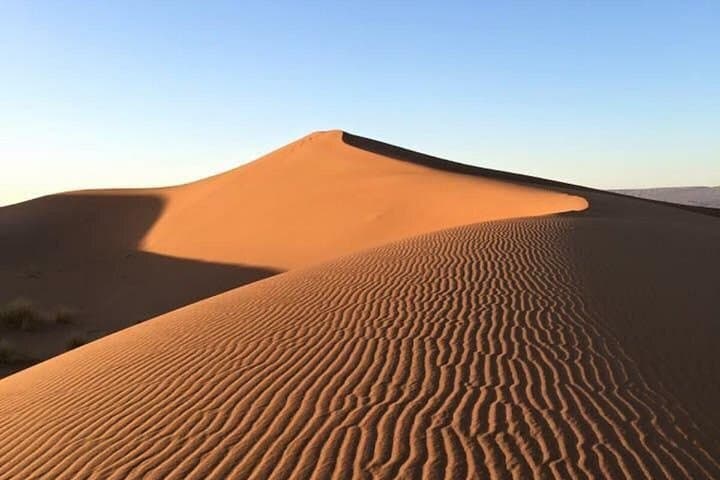
Sand pulls at your boots and the horizon stretches like a slow, shifting map — this is the southern edge of Morocco where M'hamid gives way to the vastness of Erg Chegaga. On a six-day trek you move with measured purpose: mornings spent walking or riding camel across hard-packed hammada and wind-sculpted dunes, afternoons in the thin shade of an acacia, nights in nomad tents or beneath a sky that seems to push stars close enough to touch.
Verified experiences and guided adventures in the surrounding area.
Operated by Desert Space Tour · M'hamid El Ghizlane, Drâa-Tafilalet
Sand pulls at your boots and the horizon stretches like a slow, shifting map — this is the southern edge of Morocco where M'hamid gives way to the vastness of Erg Chegaga. On a six-day trek you move with measured purpose: mornings spent walking or riding camel across hard-packed hammada and wind-sculpted dunes, afternoons in the thin shade of an acacia, nights in nomad tents or beneath a sky that seems to push stars close enough to touch.
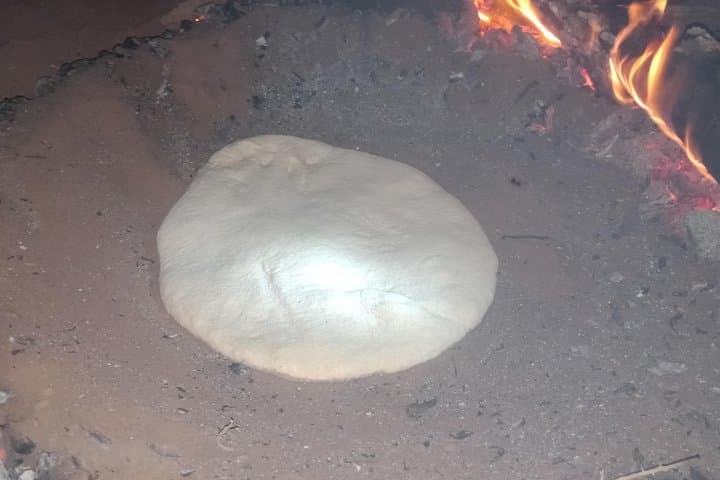
This route follows ancient caravan corridors once used for salt and spice, cutting through a landscape of wind-polished stone and dune seas that reach heights over 200 metres in places. Geologically the area is a meeting of Sahara sand and remnant riverbeds (oueds) that flash with life after rare rains. Culturally the trek is threaded with Saharan nomad traditions — mint tea rituals, simple camp cooking, and Berber rhythms in evening song.
Expect long, sandy mileage with intermittent rocky ground; elevation change is low but walking on dunes is fitness-taxing. Heat and cold swings are real: daytime can be oven-hot, nights crisp. Water is rationed and supplied by guides; pack smart and respect scarce resources. Practical tips: start before dawn to avoid the worst heat, wear high-SPF sun protection and layered clothing for cold nights, and bring gaiters or closed shoes for shifting sand.
For travelers seeking a stripped-back desert experience, this trek delivers wide solitude, tactile landscape, and close encounters with Saharan life — an expedition shaped by walking, listening, and moving at the desert's pace.
moderate.
6 days.
Good general fitness for consecutive days of walking on sand; ability to walk 4–6 hours a day with a light daypack.
Moderate fitness is sufficient—expect daily walks of 3–6 hours over sand and rocky ground; prior multi-day walking experience helps.
Camels are often used for parts of the route or for luggage; much of the trek is on foot, guided by local nomads.
Nights alternate between mobile/nomad camp tents and the option to sleep under the open sky; basic bedding is typically provided.
Guides supply bottled or treated water on the trek; carry your own reservoir and use provided water to refill as instructed.
M'hamid sits at the historic edge of trans-Saharan caravan routes and has long been a gathering point for nomadic communities and trading caravans.
The Sahara’s fragile crust and scarce water mean low-impact travel is essential — stick to established routes, pack out waste, and limit campfires.
Desert Space Tour operates guided outdoor trips and adventures with an emphasis on safety, stewardship, and memorable experiences.
Sand pulls at your boots and the horizon stretches like a slow, shifting map — this is the southern edge of Morocco where M'hamid gives way to the vastness of Erg Chegaga. On a six-day trek you move with measured purpose: mornings spent walking or riding camel across hard-packed hammada and wind-sculpted dunes, afternoons in the thin shade of an acacia, nights in nomad tents or beneath a sky that seems to push stars close enough to touch.
Sand pulls at your boots and the horizon stretches like a slow, shifting map — this is the southern edge of Morocco where M'hamid gives way to the vastness of Erg Chegaga. On a six-day trek you move with measured purpose: mornings spent walking or riding camel across hard-packed hammada and wind-sculpted dunes, afternoons in the thin shade of an acacia, nights in nomad tents or beneath a sky that seems to push stars close enough to touch.
This route follows ancient caravan corridors once used for salt and spice, cutting through a landscape of wind-polished stone and dune seas that reach heights over 200 metres in places. Geologically the area is a meeting of Sahara sand and remnant riverbeds (oueds) that flash with life after rare rains. Culturally the trek is threaded with Saharan nomad traditions — mint tea rituals, simple camp cooking, and Berber rhythms in evening song.
Expect long, sandy mileage with intermittent rocky ground; elevation change is low but walking on dunes is fitness-taxing. Heat and cold swings are real: daytime can be oven-hot, nights crisp. Water is rationed and supplied by guides; pack smart and respect scarce resources. Practical tips: start before dawn to avoid the worst heat, wear high-SPF sun protection and layered clothing for cold nights, and bring gaiters or closed shoes for shifting sand.
For travelers seeking a stripped-back desert experience, this trek delivers wide solitude, tactile landscape, and close encounters with Saharan life — an expedition shaped by walking, listening, and moving at the desert's pace.