THE ADVENTURE COLLECTIVE® · Independent discovery and booking for outdoor travel

Escape tourist camps for a six-day route through the High Atlas, Dades and Todra gorges, and the Erg Chebbi dunes. Spend a night alone in a nomad tent, ride camels to secluded sand, and learn desert skills from guides with semi‑nomadic roots.
Escape tourist camps for a six-day route through the High Atlas, Dades and Todra gorges, and the Erg Chebbi dunes. Spend a night alone in a nomad tent, ride camels to secluded sand, and learn desert skills from guides with semi‑nomadic roots.
You arrive on a road that climbs over Tizi n'Tichka as the Atlas sheds its last green; wind scours the slopes and the sky opens into a wide, dry dome. The convoy drops into the Ounila Valley, past clay kasbahs and the cinematic silhouette of Ait Ben Haddou, then pushes on toward Ouarzazate and the palms of the Dades.
Verified experiences and guided adventures in the surrounding area.
Operated by Itran Travel · Merzouga, Drâa-Tafilalet
You arrive on a road that climbs over Tizi n'Tichka as the Atlas sheds its last green; wind scours the slopes and the sky opens into a wide, dry dome. The convoy drops into the Ounila Valley, past clay kasbahs and the cinematic silhouette of Ait Ben Haddou, then pushes on toward Ouarzazate and the palms of the Dades.
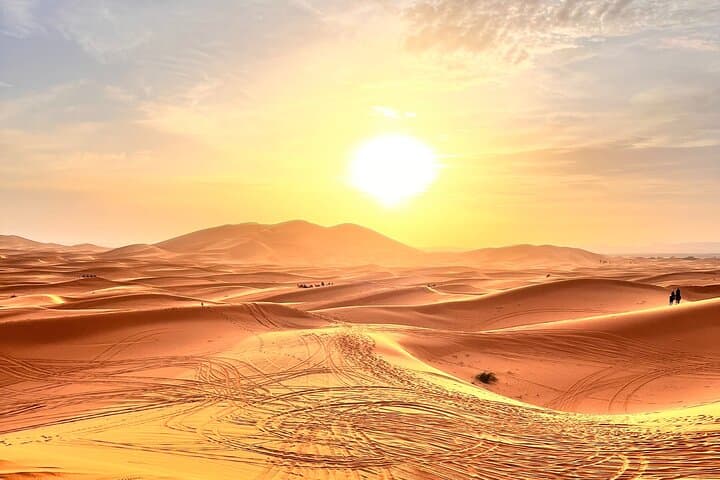
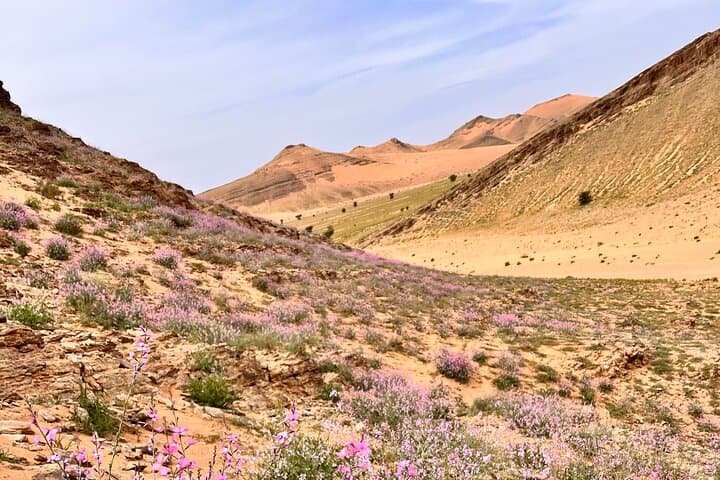
Geology here reads like a slow-motion story: folded mountains of the High Atlas give way to eroded gorges and finally to the shifting sand seas of Erg Chebbi. The route follows old caravan arteries where merchants once moved salt and cloth across the Sahara, and local settlements still bear mud-brick architecture and centuries-old pottery traditions in places like Tamegroute.
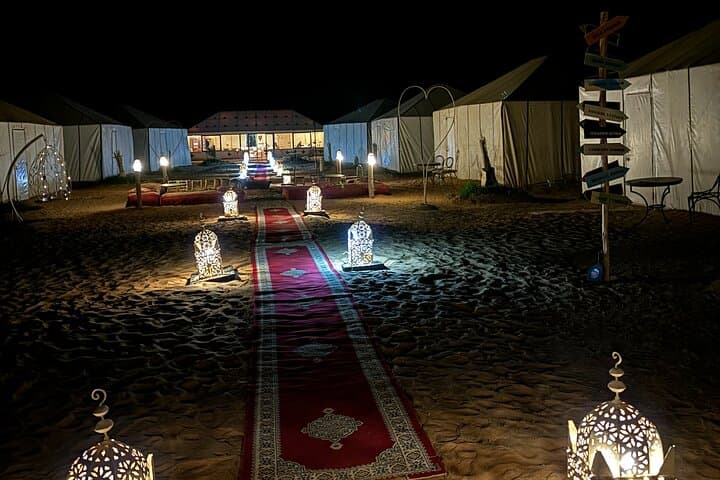
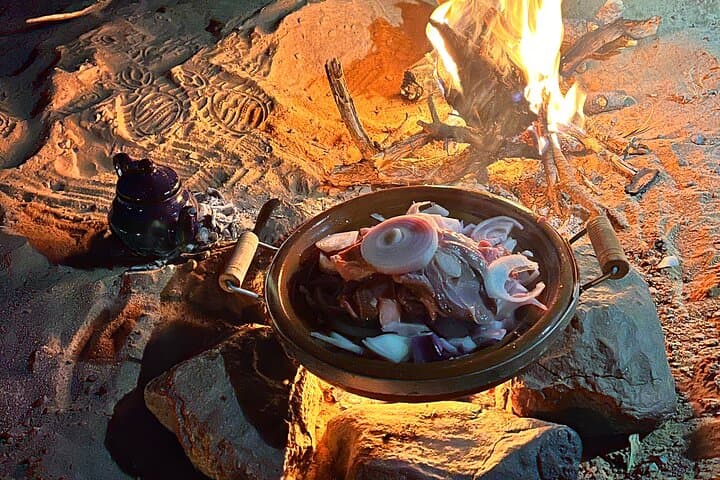
Culture on this trip is practical and immediate — you will meet guides raised in semi-nomadic families who teach desert skills, from reading animal tracks to baking bread in embers. Nights range from comfortable desert camps with showers to a single, secluded nomad tent where the stars feel close enough to count.
Practical guidance: travel days are long but paced; expect several hours of driving between highlights, short walks in gorges, and a one-hour camel transfer to camp. Pack layered clothing for large day–night temperature swings, sun protection, and a sturdy pair of closed shoes for short hikes and rocky gorges. Carry extra water and follow your guide’s advice about local customs and water use. This is an off-grid, low-impact experience—leave no trace and support local services when possible.
moderate.
6 days.
Suitable for travelers in average shape—expect several hours of vehicle travel, short walks in gorges and a one‑hour camel ride; no sustained hiking required.
The tour is suitable for most fitness levels; activities include short hikes, a one‑hour camel ride, and some uneven walking in gorges, but no technical climbing.
The itinerary includes hotel and lodge nights, a luxury desert camp, and a traditional nomad tent night; breakfasts and most dinners/lunches are provided as noted in the booking details.
The 45–60 minute camel ride to camp is paced for comfort; people with mobility concerns should notify the operator—alternatives may be available.
Spring and fall offer the most moderate temperatures; summer can be very hot during the day and winter nights can be brisk, so pack accordingly.
This route follows historic caravan corridors between Marrakech and Timbuktu; fortified ksour and kasbahs along the way mark the legacy of trans‑Saharan trade and local adobe architecture.
The Sahara’s sandscape and scarce water resources are fragile—minimize waste, avoid damaging vegetation, and support community‑run services to ensure sustainable tourism.
Itran Travel operates guided outdoor trips and adventures with an emphasis on safety, stewardship, and memorable experiences.
You arrive on a road that climbs over Tizi n'Tichka as the Atlas sheds its last green; wind scours the slopes and the sky opens into a wide, dry dome. The convoy drops into the Ounila Valley, past clay kasbahs and the cinematic silhouette of Ait Ben Haddou, then pushes on toward Ouarzazate and the palms of the Dades.
You arrive on a road that climbs over Tizi n'Tichka as the Atlas sheds its last green; wind scours the slopes and the sky opens into a wide, dry dome. The convoy drops into the Ounila Valley, past clay kasbahs and the cinematic silhouette of Ait Ben Haddou, then pushes on toward Ouarzazate and the palms of the Dades.
Geology here reads like a slow-motion story: folded mountains of the High Atlas give way to eroded gorges and finally to the shifting sand seas of Erg Chebbi. The route follows old caravan arteries where merchants once moved salt and cloth across the Sahara, and local settlements still bear mud-brick architecture and centuries-old pottery traditions in places like Tamegroute.
Culture on this trip is practical and immediate — you will meet guides raised in semi-nomadic families who teach desert skills, from reading animal tracks to baking bread in embers. Nights range from comfortable desert camps with showers to a single, secluded nomad tent where the stars feel close enough to count.
Practical guidance: travel days are long but paced; expect several hours of driving between highlights, short walks in gorges, and a one-hour camel transfer to camp. Pack layered clothing for large day–night temperature swings, sun protection, and a sturdy pair of closed shoes for short hikes and rocky gorges. Carry extra water and follow your guide’s advice about local customs and water use. This is an off-grid, low-impact experience—leave no trace and support local services when possible.