THE ADVENTURE COLLECTIVE® · Independent discovery and booking for outdoor travel

Spend six days moving through the heart of the Angkorian world—from sunrise at Angkor Wat to the floating communities of Tonle Sap. This practical guide outlines what to expect, how to prepare, and where the lesser-known moments live.
Spend six days moving through the heart of the Angkorian world—from sunrise at Angkor Wat to the floating communities of Tonle Sap. This practical guide outlines what to expect, how to prepare, and where the lesser-known moments live.
You arrive to a humid morning where limestone ruins and braided banyan roots share the same breath; the jungle tugs at old sandstone, and the face towers of Bayon turn slowly under the sun. Over six days you move from the carved bas-reliefs of Angkor Wat to the slow commerce of houses afloat on the Tonle Sap, each stop revealing layers of history and daily life.
Verified experiences and guided adventures in the surrounding area.
Operated by Asia Travel Links · Siem Reap, Siem Reap Province
You arrive to a humid morning where limestone ruins and braided banyan roots share the same breath; the jungle tugs at old sandstone, and the face towers of Bayon turn slowly under the sun. Over six days you move from the carved bas-reliefs of Angkor Wat to the slow commerce of houses afloat on the Tonle Sap, each stop revealing layers of history and daily life.
The route follows Angkor’s high points: Angkor Wat (12th century, Suryavarman II), the walled city of Angkor Thom and Bayon (Jayavarman VII), Ta Prohm with its tree-engulfed galleries, and outlying sites like Banteay Srei and Kbal Spean’s carved riverbed. Geologically, the Khmer monuments sit on sandstone laid down millions of years ago and sculpted by seasonal floods; culturally, the temples map a shift from Hindu to Mahayana Buddhist kingship.
Expect early starts for cooler light and smaller crowds; sunrise at Angkor Wat is popular for a reason. Practicalities matter: purchase an Angkor Pass before entry, dress modestly (shoulders and knees covered) and carry cash for small vendors. Walking surfaces vary—smooth laterite, steep temple steps, and muddy jungle trails—so footwear with grip is useful. Hydration, sun protection, and insect repellent keep you moving through midday heat and occasional monsoon showers.
This itinerary balances archaeology, craft visits to weaving and carving workshops, and a boat ride on Southeast Asia’s largest lake, where stilt houses rock like slow-moving villages. The experience is both contemplative and kinetic—stones hold stories, and the water keeps everything in motion.
easy.
6 days.
Suitable for most fitness levels; expect several hours of walking each day and climbing uneven temple steps.
Yes. Angkor Archaeological Park requires a paid pass (1, 3, or 7-day options) purchased at the official ticket center near the main entrances.
Most major temples have uneven steps and limited accessibility; some areas near entry points are flat but full access is restricted.
Tap water is not recommended; use bottled water or a filtered reusable bottle supplied by many hotels and guides.
Tipping is customary; small amounts for guides and drivers at the end of the day are appreciated and common practice.
The Angkor complex reflects the Khmer Empire’s peak (9th–13th centuries), with rulers like Suryavarman II and Jayavarman VII commissioning monumental temples that mix Hindu and Buddhist iconography.
High visitor numbers stress fragile stonework and surrounding ecosystems—follow trail markers, avoid touching carvings, and support local conservation-minded guides and artisans.
Asia Travel Links operates guided outdoor trips and adventures with an emphasis on safety, stewardship, and memorable experiences.

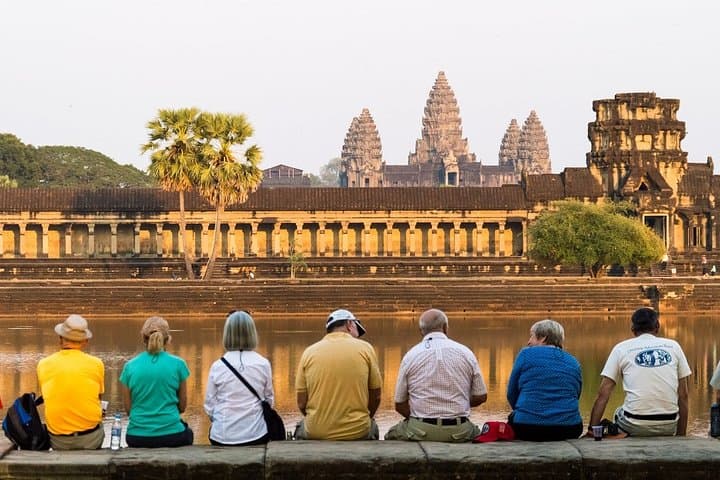
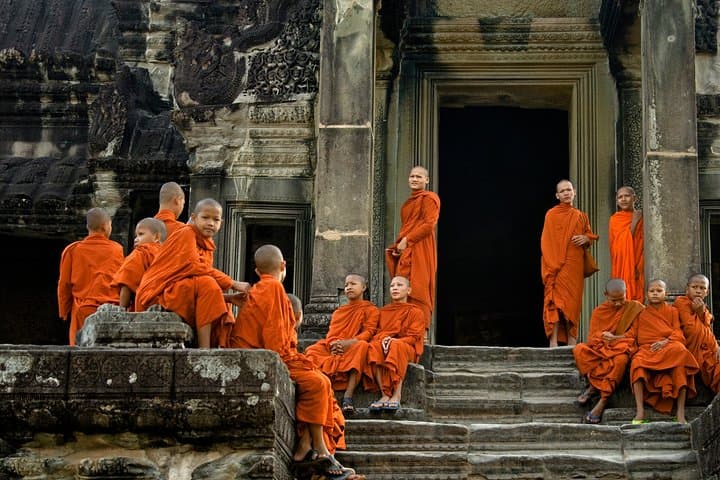

You arrive to a humid morning where limestone ruins and braided banyan roots share the same breath; the jungle tugs at old sandstone, and the face towers of Bayon turn slowly under the sun. Over six days you move from the carved bas-reliefs of Angkor Wat to the slow commerce of houses afloat on the Tonle Sap, each stop revealing layers of history and daily life.
You arrive to a humid morning where limestone ruins and braided banyan roots share the same breath; the jungle tugs at old sandstone, and the face towers of Bayon turn slowly under the sun. Over six days you move from the carved bas-reliefs of Angkor Wat to the slow commerce of houses afloat on the Tonle Sap, each stop revealing layers of history and daily life.
The route follows Angkor’s high points: Angkor Wat (12th century, Suryavarman II), the walled city of Angkor Thom and Bayon (Jayavarman VII), Ta Prohm with its tree-engulfed galleries, and outlying sites like Banteay Srei and Kbal Spean’s carved riverbed. Geologically, the Khmer monuments sit on sandstone laid down millions of years ago and sculpted by seasonal floods; culturally, the temples map a shift from Hindu to Mahayana Buddhist kingship.
Expect early starts for cooler light and smaller crowds; sunrise at Angkor Wat is popular for a reason. Practicalities matter: purchase an Angkor Pass before entry, dress modestly (shoulders and knees covered) and carry cash for small vendors. Walking surfaces vary—smooth laterite, steep temple steps, and muddy jungle trails—so footwear with grip is useful. Hydration, sun protection, and insect repellent keep you moving through midday heat and occasional monsoon showers.
This itinerary balances archaeology, craft visits to weaving and carving workshops, and a boat ride on Southeast Asia’s largest lake, where stilt houses rock like slow-moving villages. The experience is both contemplative and kinetic—stones hold stories, and the water keeps everything in motion.