THE ADVENTURE COLLECTIVE® · Independent discovery and booking for outdoor travel

Move from the Bund’s neon glass to the quiet watchtowers of Mutianyu on a private six-day itinerary that pairs Shanghai’s modern pulse with Beijing’s imperial landmarks. Includes private transfers, bullet train, Great Wall cable car and toboggan, and all main admissions.
Move from the Bund’s neon glass to the quiet watchtowers of Mutianyu on a private six-day itinerary that pairs Shanghai’s modern pulse with Beijing’s imperial landmarks. Includes private transfers, bullet train, Great Wall cable car and toboggan, and all main admissions.
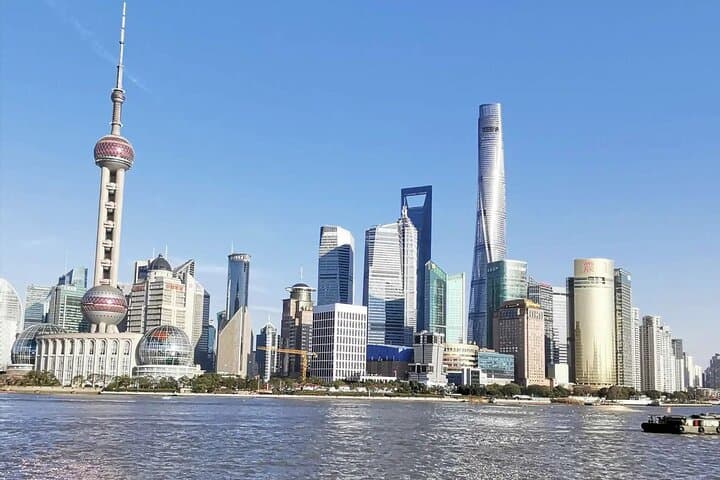
You step onto the Bund at dawn — the Huangpu River daring you to cross its mirror while Pudong’s glass spines push a skyline into the sky. By midday the city’s alleys hum with vendors; by night the towers glow. Over the next six days you move between two different faces of China: Shanghai’s brisk trade of steel and light, and Beijing’s imperial axis, where wooden halls hold a long, exacting history.
Verified experiences and guided adventures in the surrounding area.
Operated by Larry Li · Shanghai, Shanghai
You step onto the Bund at dawn — the Huangpu River daring you to cross its mirror while Pudong’s glass spines push a skyline into the sky. By midday the city’s alleys hum with vendors; by night the towers glow. Over the next six days you move between two different faces of China: Shanghai’s brisk trade of steel and light, and Beijing’s imperial axis, where wooden halls hold a long, exacting history.
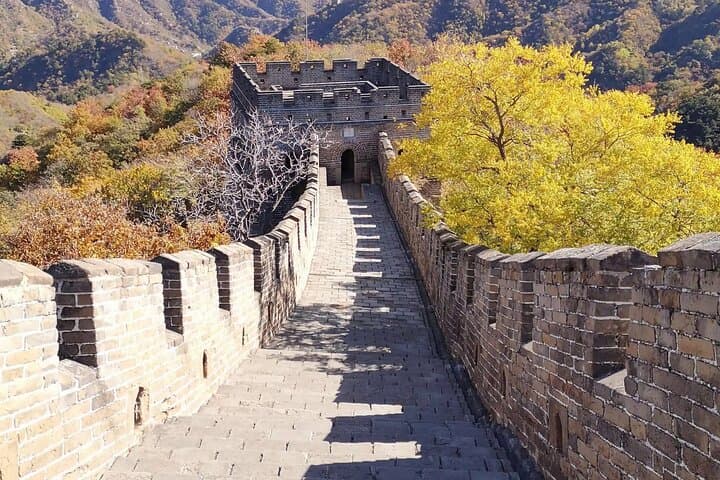
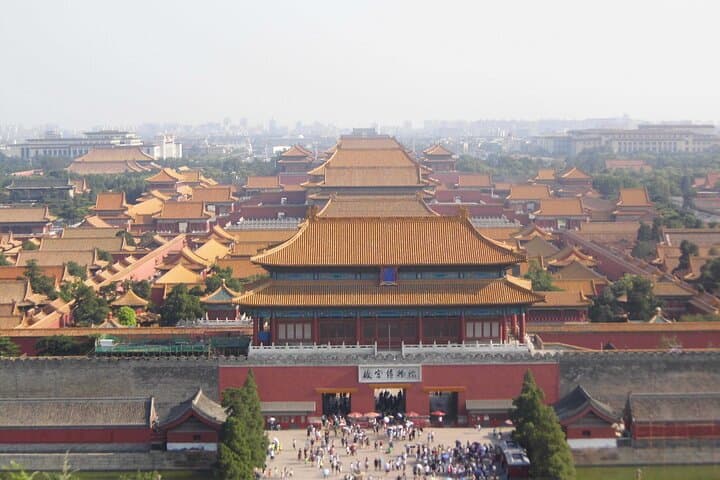
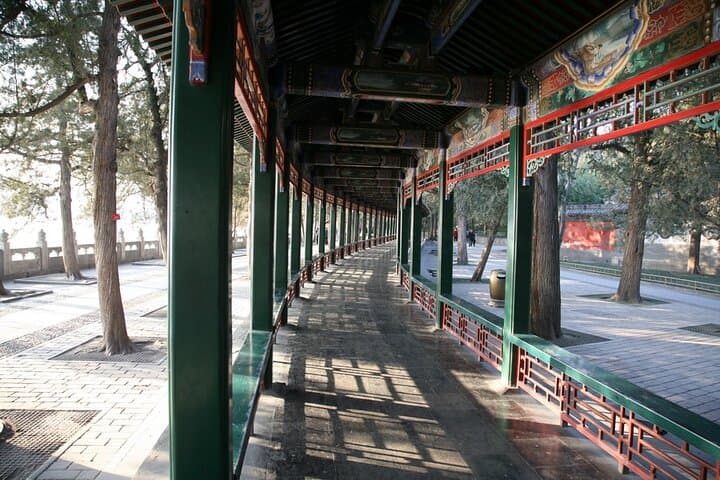
Shanghai grew from a fishing town into a global port in less than two centuries; its rivers and mudflats shaped trade routes and zoning, producing colonial façades along Zhongshan East No.1 Road. Beijing’s core dates back millennia — Tian’anmen, the Forbidden City and the Summer Palace map imperial power and ritual. The Mutianyu section of the Great Wall you’ll visit is a Ming-era reconstruction running over rounded ridgelines; the cable car lets the wall feel like a stone spine laid across the hills, and the toboggan descent adds a modern thrill.
Practical guidance: the itinerary is low-impact but involves several hours on your feet and one 4.5-hour high-speed train between cities. Expect guided entry times for major sites and pre-booked admissions; bring your passport copy for ticketing. Comfortable walking shoes, layered clothing for variable weather, and a small daypack for water and sunscreen will keep you mobile. Travel light between cities — the private transfers handle luggage, but urban streets and temple courtyards have steps. Pace your days: mornings are best for brooding views and clear sky photos; late afternoons for local markets and parks where residents practice tai chi and dance.
moderate.
6 days.
Suitable for travellers in average fitness who can walk 2–5 miles per day and manage stairs; limited hiking ability needed for short Great Wall walks.
Yes—main admissions listed in the itinerary are included and pre-booked, including choice of observation decks and Great Wall cable car.
The bullet train on this tour is scheduled at approximately 4.5 hours for the direct high-speed service between the two cities.
Yes; this private tour starts at your Shanghai hotel and ends at your Beijing hotel—participants should reserve their own accommodation per the itinerary.
The tour is family-friendly and rated easy physically, but infants must sit on laps for some transfers; check with the operator about stroller access at historic sites.
Shanghai’s Bund preserves late-19th and early-20th century colonial buildings that reflect the city’s international trade past; Beijing’s Forbidden City served as China’s imperial palace for nearly 500 years.
Visitor pressure is managed at major heritage sites through timed entries; stick to paths and avoid feeding wildlife to help preserve delicate garden and wall ecosystems.
Larry Li operates guided outdoor trips and adventures with an emphasis on safety, stewardship, and memorable experiences.
You step onto the Bund at dawn — the Huangpu River daring you to cross its mirror while Pudong’s glass spines push a skyline into the sky. By midday the city’s alleys hum with vendors; by night the towers glow. Over the next six days you move between two different faces of China: Shanghai’s brisk trade of steel and light, and Beijing’s imperial axis, where wooden halls hold a long, exacting history.
You step onto the Bund at dawn — the Huangpu River daring you to cross its mirror while Pudong’s glass spines push a skyline into the sky. By midday the city’s alleys hum with vendors; by night the towers glow. Over the next six days you move between two different faces of China: Shanghai’s brisk trade of steel and light, and Beijing’s imperial axis, where wooden halls hold a long, exacting history.
Shanghai grew from a fishing town into a global port in less than two centuries; its rivers and mudflats shaped trade routes and zoning, producing colonial façades along Zhongshan East No.1 Road. Beijing’s core dates back millennia — Tian’anmen, the Forbidden City and the Summer Palace map imperial power and ritual. The Mutianyu section of the Great Wall you’ll visit is a Ming-era reconstruction running over rounded ridgelines; the cable car lets the wall feel like a stone spine laid across the hills, and the toboggan descent adds a modern thrill.
Practical guidance: the itinerary is low-impact but involves several hours on your feet and one 4.5-hour high-speed train between cities. Expect guided entry times for major sites and pre-booked admissions; bring your passport copy for ticketing. Comfortable walking shoes, layered clothing for variable weather, and a small daypack for water and sunscreen will keep you mobile. Travel light between cities — the private transfers handle luggage, but urban streets and temple courtyards have steps. Pace your days: mornings are best for brooding views and clear sky photos; late afternoons for local markets and parks where residents practice tai chi and dance.