THE ADVENTURE COLLECTIVE® · Independent discovery and booking for outdoor travel

Six days of private game drives across Tarangire, the Serengeti and Ngorongoro combine dramatic geology, dense wildlife and Maasai culture. This practical guide explains what to expect, when to go, and how to prepare for the trip.
Six days of private game drives across Tarangire, the Serengeti and Ngorongoro combine dramatic geology, dense wildlife and Maasai culture. This practical guide explains what to expect, when to go, and how to prepare for the trip.
You step from the vehicle into light that slants across grass the color of old coin; acacia shadows stretch and the Tarangire River hisses past, daring you to look closer. Over six days the landscape shifts from riverine forest and baobab-strewn plains to the endless Serengeti horizon and the bowl of Ngorongoro’s crater floor, where game congregates around watering holes like a living map.
Verified experiences and guided adventures in the surrounding area.
Operated by Obrigado Safaris Limited · Arusha, Arusha Region
You step from the vehicle into light that slants across grass the color of old coin; acacia shadows stretch and the Tarangire River hisses past, daring you to look closer. Over six days the landscape shifts from riverine forest and baobab-strewn plains to the endless Serengeti horizon and the bowl of Ngorongoro’s crater floor, where game congregates around watering holes like a living map.
This itinerary threads three iconic East African places. Tarangire is known for huge elephant herds and ancient baobabs; the Serengeti’s Seronera and central plains host resident predators and, depending on timing, migrating wildebeest; Ngorongoro is a geologic caldera—an inactive volcanic bowl whose walls hold dense wildlife year-round. Maasai cultural visits and Meserani Snake Park add human history and local craft to the natural narrative.
Expect long game-drive days in open 4x4s, early starts to catch predator activity, and picnic lunches between drives. Wildlife viewing is best when animals cluster around water in the dry season; rains change patterns and paint the plains green but can slow roads.
Practical notes: bring binoculars, layered sun protection, and a camera with a 200–400mm lens if you can. Malaria prophylaxis and routine travel vaccines are commonly recommended—check a travel clinic. Roads between parks can be dusty or corrugated; compact luggage and soft-sided bags are easier to stow. Hydrate, plan for early mornings and late afternoons in the vehicle, and treat the parks with quiet patience—wildlife often rewards those who wait.
moderate.
6 days.
Suitable for travelers with average fitness—long vehicle days and short walks; minimal hiking required but some uneven surfaces.
The itinerary lists town lodge accommodations and picnic lunches; specific lodge standards vary—confirm details with the operator at booking.
The tour notes stroller and wheelchair accessibility for some areas and transportation; confirm specific requirements and vehicle access with the operator before booking.
Meals (breakfast, lunch, dinner) and stated inclusions like private transport and some admissions are included; verify park entry fees and any optional extras at booking.
Migration timing varies annually—large herd crossings often occur in the Serengeti during the dry season (roughly June–October), but central Serengeti (Seronera) offers good year-round predator viewing.
The Ngorongoro Crater is an extinct volcanic caldera formed by a massive eruption and collapse millions of years ago; the Serengeti region has supported pastoralist cultures like the Maasai for centuries.
These parks are managed to balance tourism and wildlife protection; stick to park rules, avoid off-road driving, and support community-run conservation-focused enterprises.
Obrigado Safaris Limited operates guided outdoor trips and adventures with an emphasis on safety, stewardship, and memorable experiences.
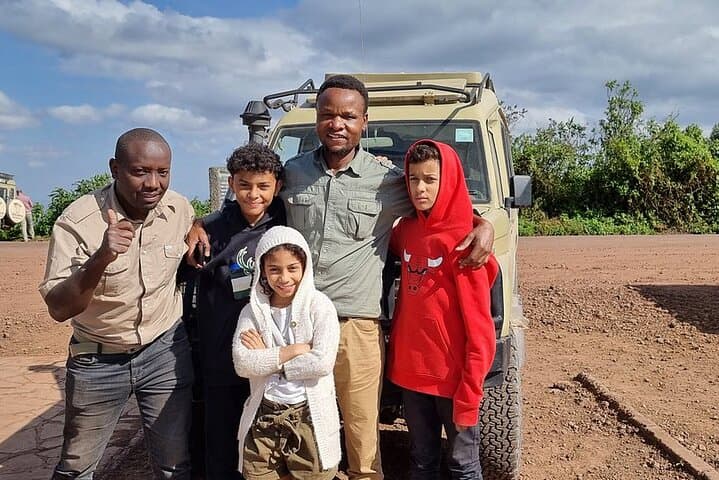
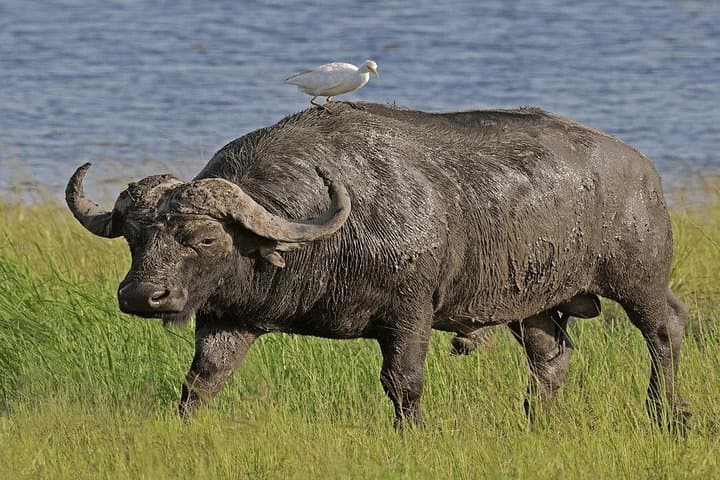
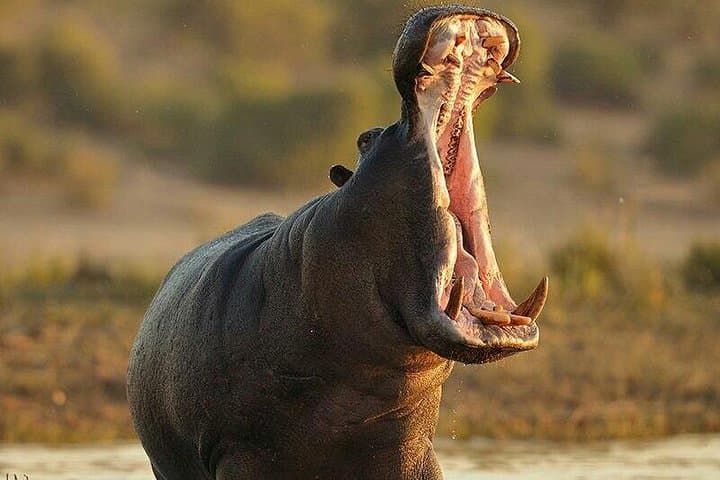
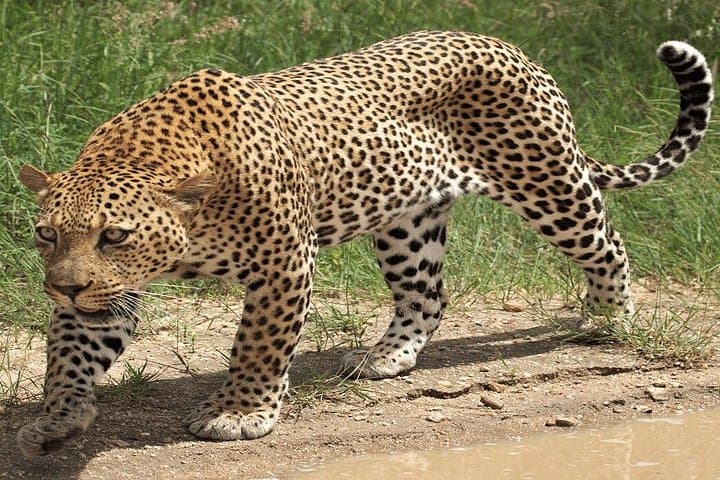
You step from the vehicle into light that slants across grass the color of old coin; acacia shadows stretch and the Tarangire River hisses past, daring you to look closer. Over six days the landscape shifts from riverine forest and baobab-strewn plains to the endless Serengeti horizon and the bowl of Ngorongoro’s crater floor, where game congregates around watering holes like a living map.
You step from the vehicle into light that slants across grass the color of old coin; acacia shadows stretch and the Tarangire River hisses past, daring you to look closer. Over six days the landscape shifts from riverine forest and baobab-strewn plains to the endless Serengeti horizon and the bowl of Ngorongoro’s crater floor, where game congregates around watering holes like a living map.
This itinerary threads three iconic East African places. Tarangire is known for huge elephant herds and ancient baobabs; the Serengeti’s Seronera and central plains host resident predators and, depending on timing, migrating wildebeest; Ngorongoro is a geologic caldera—an inactive volcanic bowl whose walls hold dense wildlife year-round. Maasai cultural visits and Meserani Snake Park add human history and local craft to the natural narrative.
Expect long game-drive days in open 4x4s, early starts to catch predator activity, and picnic lunches between drives. Wildlife viewing is best when animals cluster around water in the dry season; rains change patterns and paint the plains green but can slow roads.
Practical notes: bring binoculars, layered sun protection, and a camera with a 200–400mm lens if you can. Malaria prophylaxis and routine travel vaccines are commonly recommended—check a travel clinic. Roads between parks can be dusty or corrugated; compact luggage and soft-sided bags are easier to stow. Hydrate, plan for early mornings and late afternoons in the vehicle, and treat the parks with quiet patience—wildlife often rewards those who wait.