THE ADVENTURE COLLECTIVE® · Independent discovery and booking for outdoor travel

A six-day private safari from Arusha through Tarangire, Lake Manyara, Ngorongoro and South Serengeti with a cultural visit to the Hadzabe and Datoga at Lake Eyasi. Expect high elephant densities, possible tree-climbing lions, and concentrated Big Five viewing in the Ngorongoro Crater.
A six-day private safari from Arusha through Tarangire, Lake Manyara, Ngorongoro and South Serengeti with a cultural visit to the Hadzabe and Datoga at Lake Eyasi. Expect high elephant densities, possible tree-climbing lions, and concentrated Big Five viewing in the Ngorongoro Crater.
You step out of the jeep at first light and the Rift Valley exhales — yellow grass ripples, baobabs stand like weathered sentries, and an elephant family moves with deliberate calm. Over six days you’ll move between highland escarpments and flat savanna, each stop revealing a different pulse of northern Tanzania.
Verified experiences and guided adventures in the surrounding area.
Operated by Beach & Safari · Arusha, Arusha Region
You step out of the jeep at first light and the Rift Valley exhales — yellow grass ripples, baobabs stand like weathered sentries, and an elephant family moves with deliberate calm. Over six days you’ll move between highland escarpments and flat savanna, each stop revealing a different pulse of northern Tanzania.
Geology here is loud: the Eastern Great Rift Valley is a faulted trench carved by tectonics, its steep walls framing alkaline lakes and volcanic highlands. Human history is equally deep — pastoral Maasai ranges, the hunter-gatherer traditions of the Hadzabe near Lake Eyasi, and Datoga metalwork maintain living cultural threads across the landscape.
Wildlife encounters are pragmatic theatre: Tarangire’s elephant herds crowd riverine corridors; Lake Manyara’s acacia and fig groves can host the rare tree-climbing lions; Ngorongoro’s caldera compresses density so predators and prey share short distances. In Ndutu and southern Serengeti you’ll watch migration patterns or calving chaos depending on season — the land moves with animals.
Practical guidance: pack for dust and sun, plan for long drives between parks, and expect early wakes for prime game viewing. Your driver-guide handles navigation and park permits; you bring patience, good binoculars, and layered clothing for cool mornings and hot afternoons. Hydrate often, respect local customs when visiting communities, and keep camera batteries charged — sightings can come in quick bursts. This itinerary suits travelers who want a concentrated, private view into Tanzania’s wildlife circuits with culturally rich side trips into tribal life and volcanic landscapes.
moderate.
6 days.
Moderate fitness: able to handle several hours of vehicle-based game viewing with short walks and occasional uneven terrain.
The Ndutu area is best from November to April for migration and especially December–February for calving; timing varies by year so check current migration reports.
This itinerary includes park fees as stated, but confirm any additional conservation levies or optional activity fees with the operator before travel.
The tour notes advise against travel for pregnant guests and those with serious spinal or cardiovascular conditions; young children may be accommodated but check vehicle space and safety rules.
Consult a travel clinic: routine vaccinations plus yellow fever proof (when required) and malaria prevention are commonly recommended for northern Tanzania.
This region sits along the Great Rift faultline with millennia of human occupation; the Hadzabe are among East Africa’s oldest hunter-gatherer communities and still practice ancestral hunting techniques around Lake Eyasi.
Ngorongoro is a multi-use conservation area where wildlife coexist with pastoral communities; practicing low-impact tourism and following park rules helps reduce disturbance and supports community programs.
Beach & Safari operates guided outdoor trips and adventures with an emphasis on safety, stewardship, and memorable experiences.


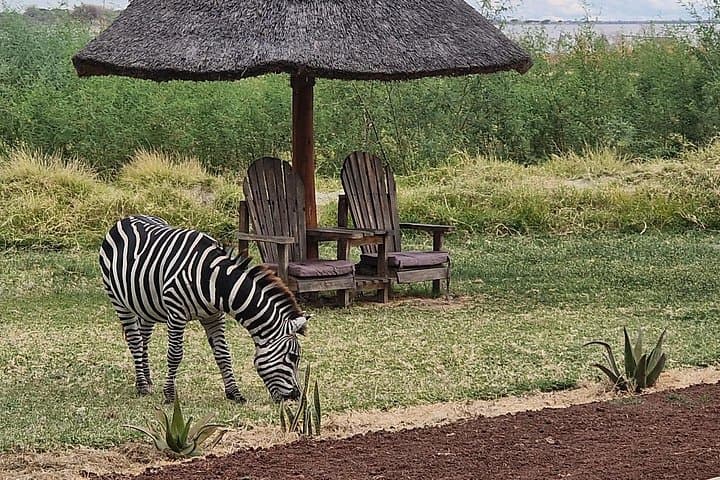
You step out of the jeep at first light and the Rift Valley exhales — yellow grass ripples, baobabs stand like weathered sentries, and an elephant family moves with deliberate calm. Over six days you’ll move between highland escarpments and flat savanna, each stop revealing a different pulse of northern Tanzania.
You step out of the jeep at first light and the Rift Valley exhales — yellow grass ripples, baobabs stand like weathered sentries, and an elephant family moves with deliberate calm. Over six days you’ll move between highland escarpments and flat savanna, each stop revealing a different pulse of northern Tanzania.
Geology here is loud: the Eastern Great Rift Valley is a faulted trench carved by tectonics, its steep walls framing alkaline lakes and volcanic highlands. Human history is equally deep — pastoral Maasai ranges, the hunter-gatherer traditions of the Hadzabe near Lake Eyasi, and Datoga metalwork maintain living cultural threads across the landscape.
Wildlife encounters are pragmatic theatre: Tarangire’s elephant herds crowd riverine corridors; Lake Manyara’s acacia and fig groves can host the rare tree-climbing lions; Ngorongoro’s caldera compresses density so predators and prey share short distances. In Ndutu and southern Serengeti you’ll watch migration patterns or calving chaos depending on season — the land moves with animals.
Practical guidance: pack for dust and sun, plan for long drives between parks, and expect early wakes for prime game viewing. Your driver-guide handles navigation and park permits; you bring patience, good binoculars, and layered clothing for cool mornings and hot afternoons. Hydrate often, respect local customs when visiting communities, and keep camera batteries charged — sightings can come in quick bursts. This itinerary suits travelers who want a concentrated, private view into Tanzania’s wildlife circuits with culturally rich side trips into tribal life and volcanic landscapes.