THE ADVENTURE COLLECTIVE® · Independent discovery and booking for outdoor travel

Drive from Athens through Peloponnese’s historic sites to Delphi and the sky‑slicing monasteries of Meteora across six days. This private tour pairs efficient transfers with guided stops at UNESCO sites, archaeological parks, and hilltop villages.
Drive from Athens through Peloponnese’s historic sites to Delphi and the sky‑slicing monasteries of Meteora across six days. This private tour pairs efficient transfers with guided stops at UNESCO sites, archaeological parks, and hilltop villages.
You step into the minivan at dawn, Athens shrinking in the rearview while limestone ridges and olive groves expand to meet the road. Sea salt and pines mingle on the coastal drive to the narrow, engineering‑scarred throat of the Corinth Canal — a 6.4 km cut that still feels audacious against the isthmus.
Verified experiences and guided adventures in the surrounding area.
Operated by Tours of Athens · Athens, Attica
You step into the minivan at dawn, Athens shrinking in the rearview while limestone ridges and olive groves expand to meet the road. Sea salt and pines mingle on the coastal drive to the narrow, engineering‑scarred throat of the Corinth Canal — a 6.4 km cut that still feels audacious against the isthmus.
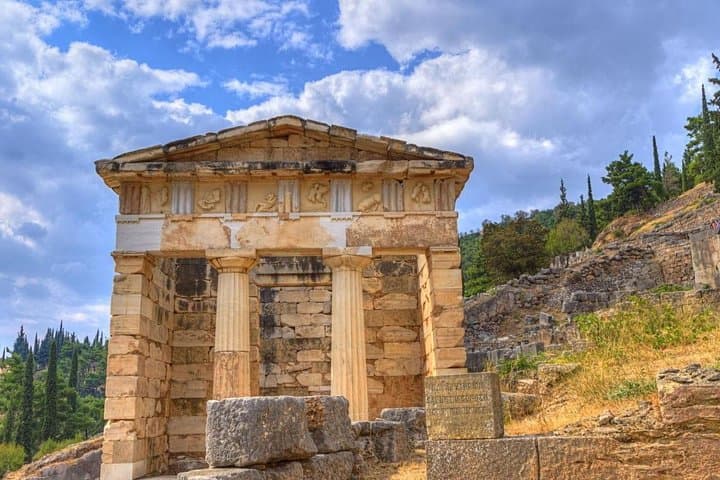
Across six days the route reads like a compact atlas of Greek history: Mycenae’s Bronze Age cyclopean walls and shaft graves; Epidaurus’ living theatre with acoustics that carry a whisper to the back row; Mystras’ Byzantine ruins perched near Sparta at roughly 620 m; Olympia’s gymnasia and the battered stones of the original stadium; Delphi clinging to the slopes of Mount Parnassos where the ancient oracle once spoke; and Meteora’s monolithic conglomerate pillars rising 300–400 m, topped with medieval monasteries.
Geology here is active in story: Parnassos’ terraces, the erosive sculpting that made Meteora’s spires, and coastal plains shaped by ancient rivers. Culture is tactile — olive presses, small museums, and Arachova’s mountain crafts. Monastery dress codes and uneven archaeological paths demand respectful planning.
Practical edge: this is a private, vehicle‑led tour with short on‑foot visits; expect several two‑hour site stops and some steep stairways. Bring layered clothing, sturdy walking shoes, a refillable water bottle, and small local currency for entry fees or donations. Aim for early visits to avoid mid‑day heat and crowds. The itinerary is rich in history and landscape — efficient, paced, and heavy on photo moments if you time the light right.
moderate.
6 days.
Suitable for travelers comfortable with multiple hours of light walking each day and occasional steep steps; not strenuous but involves repeated site visits.
Most site admissions are not included unless stated; budget extra for Mycenae, Epidaurus, Delphi, Olympia and Meteora monasteries.
Transport is wheelchair accessible but many archaeological sites and monasteries have uneven terrain and steps that may limit access.
Expect several hours of driving on days that cross regions (Peloponnese to Olympia, Delphi to Meteora); the tour balances drives with multi‑hour stops.
The package provides an English‑speaking driver; entrance guides are typically not included — consider a local guide at major sites for deeper context.
The itinerary links Bronze Age Mycenae, Classical sanctuaries like Delphi and Olympia, and Byzantine centers such as Mystras — a cross‑section of Greek civilizational phases.
Sites face erosion and visitor pressure; stick to marked paths, avoid touching ruins and support local conservation fees or donations when available.
Tours of Athens operates guided outdoor trips and adventures with an emphasis on safety, stewardship, and memorable experiences.
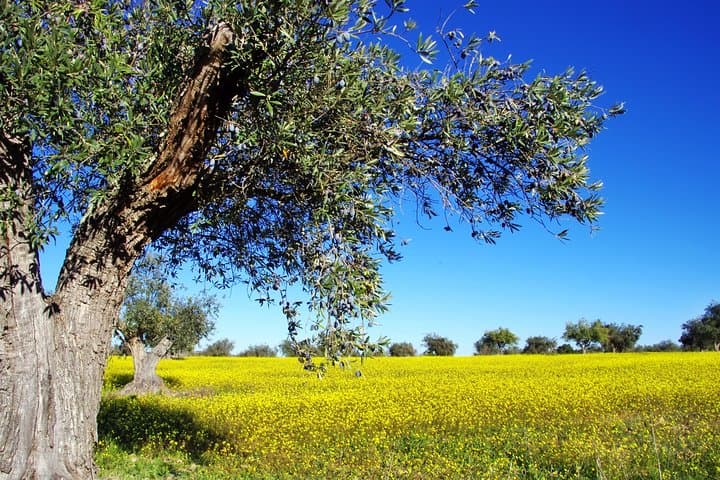

You step into the minivan at dawn, Athens shrinking in the rearview while limestone ridges and olive groves expand to meet the road. Sea salt and pines mingle on the coastal drive to the narrow, engineering‑scarred throat of the Corinth Canal — a 6.4 km cut that still feels audacious against the isthmus.
You step into the minivan at dawn, Athens shrinking in the rearview while limestone ridges and olive groves expand to meet the road. Sea salt and pines mingle on the coastal drive to the narrow, engineering‑scarred throat of the Corinth Canal — a 6.4 km cut that still feels audacious against the isthmus.
Across six days the route reads like a compact atlas of Greek history: Mycenae’s Bronze Age cyclopean walls and shaft graves; Epidaurus’ living theatre with acoustics that carry a whisper to the back row; Mystras’ Byzantine ruins perched near Sparta at roughly 620 m; Olympia’s gymnasia and the battered stones of the original stadium; Delphi clinging to the slopes of Mount Parnassos where the ancient oracle once spoke; and Meteora’s monolithic conglomerate pillars rising 300–400 m, topped with medieval monasteries.
Geology here is active in story: Parnassos’ terraces, the erosive sculpting that made Meteora’s spires, and coastal plains shaped by ancient rivers. Culture is tactile — olive presses, small museums, and Arachova’s mountain crafts. Monastery dress codes and uneven archaeological paths demand respectful planning.
Practical edge: this is a private, vehicle‑led tour with short on‑foot visits; expect several two‑hour site stops and some steep stairways. Bring layered clothing, sturdy walking shoes, a refillable water bottle, and small local currency for entry fees or donations. Aim for early visits to avoid mid‑day heat and crowds. The itinerary is rich in history and landscape — efficient, paced, and heavy on photo moments if you time the light right.