THE ADVENTURE COLLECTIVE® · Independent discovery and booking for outdoor travel

Float between Aswan and Luxor on a three-night Nile cruise while tracing ancient pharaohs’ footprints from Abu Simbel to the Valley of the Kings. This private six-day loop from Cairo blends overnight trains, guided temple visits and comfortable cruise cabins.
Float between Aswan and Luxor on a three-night Nile cruise while tracing ancient pharaohs’ footprints from Abu Simbel to the Valley of the Kings. This private six-day loop from Cairo blends overnight trains, guided temple visits and comfortable cruise cabins.
Stepping onto the Nile cruise dock at Aswan, the river seems to take charge—slowly tugging the boat downstream while the desert sun eases off the sandstone edges. Over six days travelers move between Egypt’s living museum towns: the bustle of Cairo, the granite calm of Aswan, the temple-studded reaches of Kom Ombo and Edfu, and the monumental east and west banks of Luxor.
Verified experiences and guided adventures in the surrounding area.
Operated by Adam's Tours · Cairo, Cairo Governorate
Stepping onto the Nile cruise dock at Aswan, the river seems to take charge—slowly tugging the boat downstream while the desert sun eases off the sandstone edges. Over six days travelers move between Egypt’s living museum towns: the bustle of Cairo, the granite calm of Aswan, the temple-studded reaches of Kom Ombo and Edfu, and the monumental east and west banks of Luxor.
This itinerary threads modern engineering and ancient ambition. Visitors see the High Dam, a 1960s project that reshaped the Nile’s seasonal rhythm, then walk the chisel marks of the Unfinished Obelisk. Temples honor Isis, Horus and pharaohs whose tombs in the Valley of the Kings were carved from cliff faces. Abu Simbel—relocated in the 1960s to escape the rising reservoir—remains an exercise in human will against water and time.
Geology is visible in the ochre cliffs that cradle Luxor’s necropolis; culture is in the small markets where Nubian color and Arabic call to prayer punctuate the day. Guides translate hieroglyphs into stories and point out subtle architectural details that anchor a thousand years of rulership.
Practical guidance: this tour includes overnight sleeper trains (Luxor–Cairo ~10 hours; Cairo–Aswan typically 12–13 hours) and a 3-night Nile cruise. Expect multiple short walks across uneven temple stones and stairs; bring sun protection, a refillable water bottle and comfortable shoes. Travel light for the train segments, keep passports handy for site entries, and time your camera for early light at the Valley of the Kings—when columns and reliefs hold the sharpest contrast.
moderate.
6 days.
Moderate fitness—able to walk 2–4 hours a day on uneven surfaces and climb temple steps.
Abu Simbel is offered as part of the tour (often as an optional early-morning excursion); confirm timing—some operators include it and some list it as optional due to logistics.
The tour lists sites mentioned in the itinerary and most cruise meals; confirm specifics for any optional excursions or premium museum exhibits.
The Luxor–Cairo route runs about 10 hours; Cairo–Aswan sleeper services commonly take 12–13 hours—sleeper cabins and meals are typically provided.
Many sites have uneven surfaces and steps, but the tour notes wheelchair-accessible transportation and assistance—check individual temple access and request accommodations in advance.
The route ties Pharaonic centers with 20th-century engineering—the High Dam and the relocation of Abu Simbel were central to mid-century Nile management.
Tourism supports site conservation but also stresses fragile monuments and local water resources; favor refillable bottles, respect restricted areas and use licensed guides.
Adam's Tours operates guided outdoor trips and adventures with an emphasis on safety, stewardship, and memorable experiences.
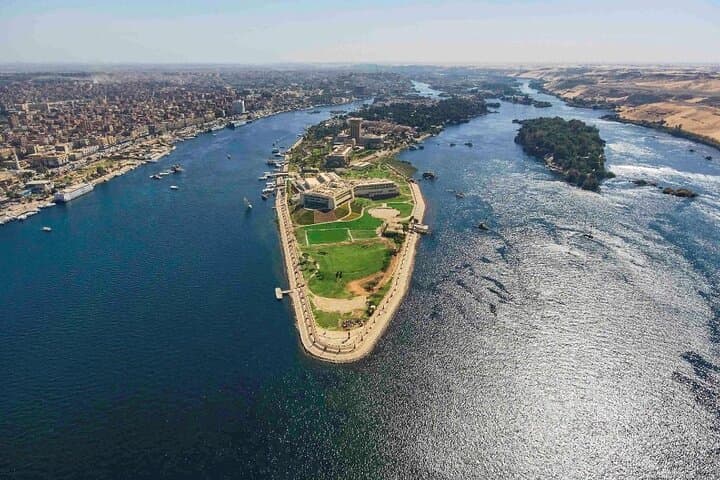
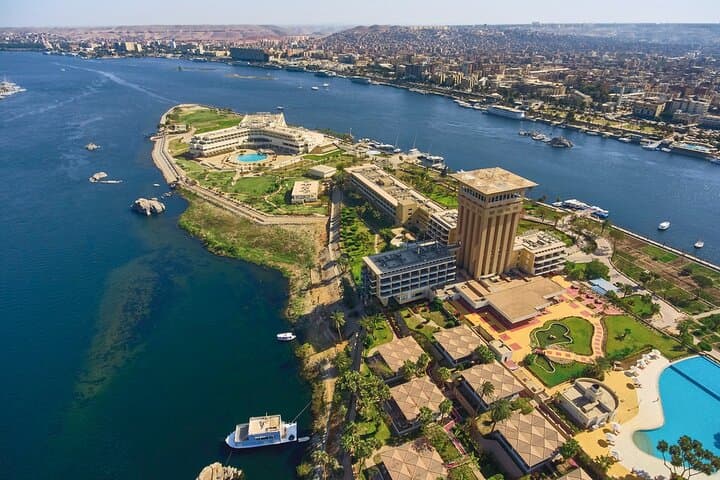
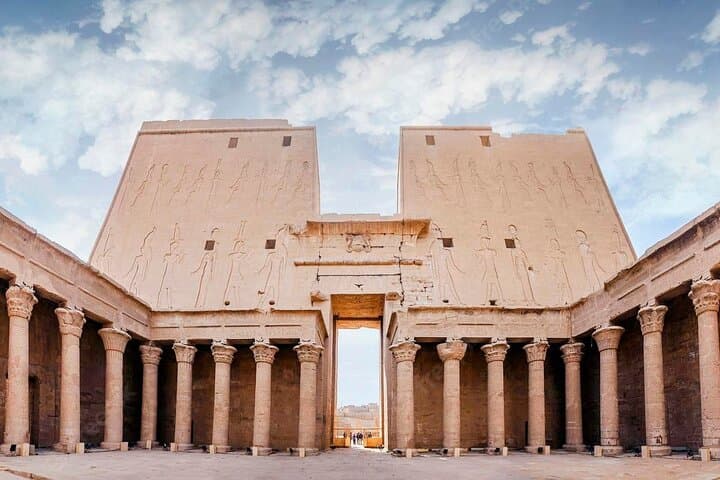
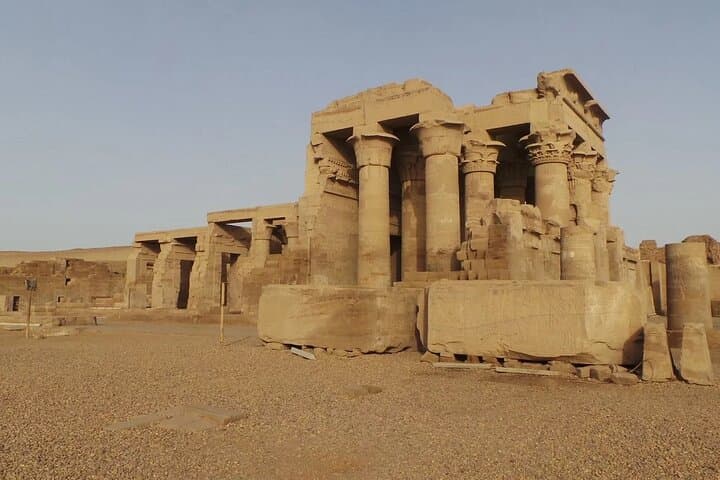
Stepping onto the Nile cruise dock at Aswan, the river seems to take charge—slowly tugging the boat downstream while the desert sun eases off the sandstone edges. Over six days travelers move between Egypt’s living museum towns: the bustle of Cairo, the granite calm of Aswan, the temple-studded reaches of Kom Ombo and Edfu, and the monumental east and west banks of Luxor.
Stepping onto the Nile cruise dock at Aswan, the river seems to take charge—slowly tugging the boat downstream while the desert sun eases off the sandstone edges. Over six days travelers move between Egypt’s living museum towns: the bustle of Cairo, the granite calm of Aswan, the temple-studded reaches of Kom Ombo and Edfu, and the monumental east and west banks of Luxor.
This itinerary threads modern engineering and ancient ambition. Visitors see the High Dam, a 1960s project that reshaped the Nile’s seasonal rhythm, then walk the chisel marks of the Unfinished Obelisk. Temples honor Isis, Horus and pharaohs whose tombs in the Valley of the Kings were carved from cliff faces. Abu Simbel—relocated in the 1960s to escape the rising reservoir—remains an exercise in human will against water and time.
Geology is visible in the ochre cliffs that cradle Luxor’s necropolis; culture is in the small markets where Nubian color and Arabic call to prayer punctuate the day. Guides translate hieroglyphs into stories and point out subtle architectural details that anchor a thousand years of rulership.
Practical guidance: this tour includes overnight sleeper trains (Luxor–Cairo ~10 hours; Cairo–Aswan typically 12–13 hours) and a 3-night Nile cruise. Expect multiple short walks across uneven temple stones and stairs; bring sun protection, a refillable water bottle and comfortable shoes. Travel light for the train segments, keep passports handy for site entries, and time your camera for early light at the Valley of the Kings—when columns and reliefs hold the sharpest contrast.