THE ADVENTURE COLLECTIVE® · Independent discovery and booking for outdoor travel

Cross cedar forests, medieval medinas and the ochre kasbahs to reach Erg Chebbi’s towering dunes—all in a private six-day Morocco circuit. Expect long drives, short hikes, a sunset camel trek and a night under desert skies.
Cross cedar forests, medieval medinas and the ochre kasbahs to reach Erg Chebbi’s towering dunes—all in a private six-day Morocco circuit. Expect long drives, short hikes, a sunset camel trek and a night under desert skies.
A low-slung minivan peels away from Casablanca’s airport into late-afternoon light, and within hours the blue-washed alleys of Chefchaouen appear, cool against the heat of the plains. Over six days this private circuit stitches imperial cities, cedar forests and ochre kasbahs to a desert that changes color with every hour.
Verified experiences and guided adventures in the surrounding area.
Operated by Safari Desert Tours · Casablanca, Casablanca-Settat
A low-slung minivan peels away from Casablanca’s airport into late-afternoon light, and within hours the blue-washed alleys of Chefchaouen appear, cool against the heat of the plains. Over six days this private circuit stitches imperial cities, cedar forests and ochre kasbahs to a desert that changes color with every hour.
The route follows Morocco’s geological spine: the Middle Atlas around Ifrane (1,665 m), the plateau and palm oases of Ziz and Erfoud, then the sand seas of Erg Chebbi at Merzouga where dunes rise up to roughly 150 m. Cultural peaks arrive as well—Fez’s medieval medina and the World Heritage ksar of Aït Ben Haddou—places shaped by caravan trade and centuries of Berber and Arab craft traditions.
Travelers can expect long driving legs (several 4–8 hour road segments) offset by guided medina walks, a 1–1.5 hour camel trek at sunset, and an overnight in a luxury desert camp under broad stars. Tizi n’Tichka pass tops at around 2,260 m and offers abrupt alpine vistas before the route descends into Marrakech’s ochre gardens.
Practical notes: carry layered clothing for wide temperature swings, bring cash for remote villages and tip guides locally, and aim for sunrise or sunset in the dunes for the best light. Footwear should be sturdy for short canyon hikes in Todra and Dades. This itinerary balances cultural depth and landscape variety—pack patience for roads and curiosity for long, shifting horizons.
moderate.
6 days.
Suitable for travelers with average fitness; long vehicle transfers require endurance while short hikes and camel rides are low-impact.
Expect several long driving days—typically 4–8 hours depending on the segment; the itinerary balances road time with guided visits and an overnight in the desert.
No technical skill is required; the usual camel ride to sunset is about 1–1.5 hours and suited to most travelers though mounting can be bumpy.
Yes—nights listed (Chefchaouen, Fes, desert camp, Dades) are included with breakfast and specified meals like desert dinner and some dinners along the route.
Bring a basic first-aid kit, personal medications, plenty of water for day trips, and travel insurance that covers remote-region evacuation if needed.
The route mirrors historic caravan corridors between the Sahara and Moroccan cities—Aït Ben Haddou and Rissani were key stops on trans-Saharan trade routes.
Travel impacts include water scarcity and pressure on fragile kasbahs; favor local guides, avoid single-use plastics, and respect protected areas and grazing lands.
Safari Desert Tours operates guided outdoor trips and adventures with an emphasis on safety, stewardship, and memorable experiences.
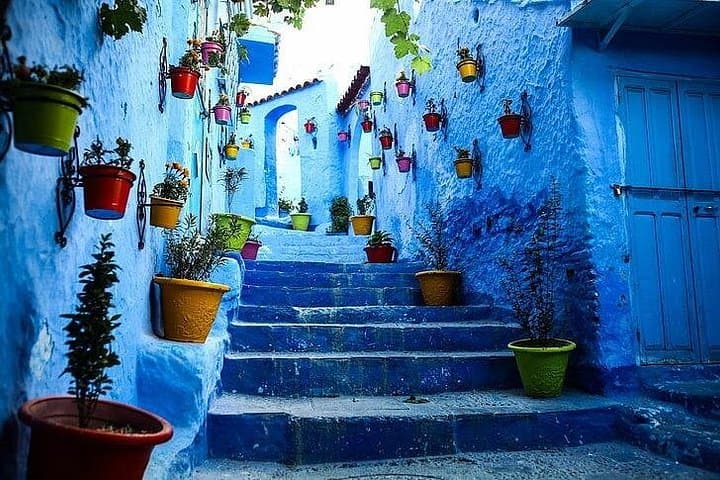
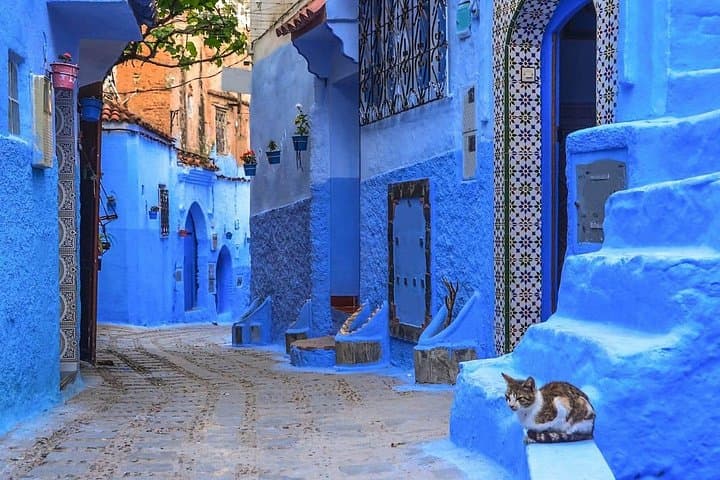
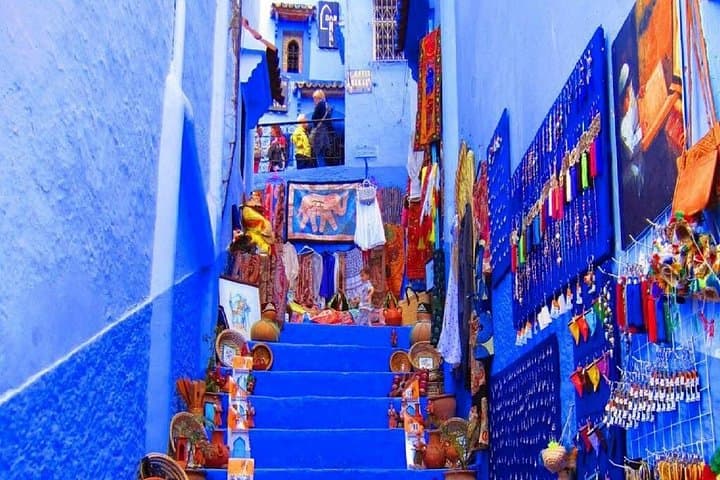
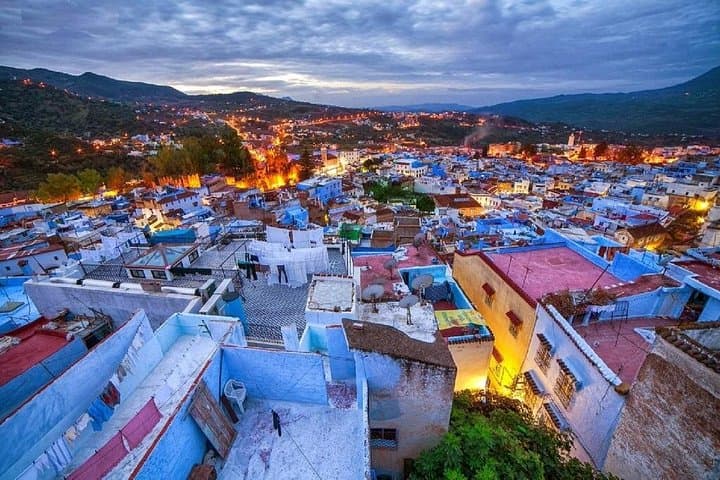
A low-slung minivan peels away from Casablanca’s airport into late-afternoon light, and within hours the blue-washed alleys of Chefchaouen appear, cool against the heat of the plains. Over six days this private circuit stitches imperial cities, cedar forests and ochre kasbahs to a desert that changes color with every hour.
A low-slung minivan peels away from Casablanca’s airport into late-afternoon light, and within hours the blue-washed alleys of Chefchaouen appear, cool against the heat of the plains. Over six days this private circuit stitches imperial cities, cedar forests and ochre kasbahs to a desert that changes color with every hour.
The route follows Morocco’s geological spine: the Middle Atlas around Ifrane (1,665 m), the plateau and palm oases of Ziz and Erfoud, then the sand seas of Erg Chebbi at Merzouga where dunes rise up to roughly 150 m. Cultural peaks arrive as well—Fez’s medieval medina and the World Heritage ksar of Aït Ben Haddou—places shaped by caravan trade and centuries of Berber and Arab craft traditions.
Travelers can expect long driving legs (several 4–8 hour road segments) offset by guided medina walks, a 1–1.5 hour camel trek at sunset, and an overnight in a luxury desert camp under broad stars. Tizi n’Tichka pass tops at around 2,260 m and offers abrupt alpine vistas before the route descends into Marrakech’s ochre gardens.
Practical notes: carry layered clothing for wide temperature swings, bring cash for remote villages and tip guides locally, and aim for sunrise or sunset in the dunes for the best light. Footwear should be sturdy for short canyon hikes in Todra and Dades. This itinerary balances cultural depth and landscape variety—pack patience for roads and curiosity for long, shifting horizons.