THE ADVENTURE COLLECTIVE® · Independent discovery and booking for outdoor travel

Six days across high roads and Buddhist gompas: acclimatize in Leh, visit Hemis and Thiksey, cross Khardung La and sleep among the dunes and Bactrian camels of Nubra Valley. This guided itinerary balances altitude care with cultural highlights.
Six days across high roads and Buddhist gompas: acclimatize in Leh, visit Hemis and Thiksey, cross Khardung La and sleep among the dunes and Bactrian camels of Nubra Valley. This guided itinerary balances altitude care with cultural highlights.
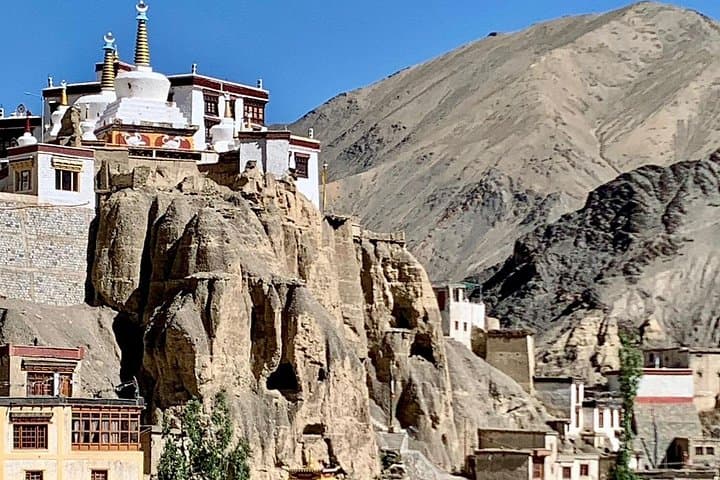
You arrive in Leh to a sky so big it seems to push the mountains farther apart; the air is thin and carries a cold, clear note that makes each breath deliberate. Daylight slides across ochre cliffs and river terraces while flags ripple at gompas, and the road to Nubra dares you higher still as Khardung La looms: a high, gravel ribbon where engines cough and the land opens into cold desert.
Verified experiences and guided adventures in the surrounding area.
Operated by 5 Senses Walks · Leh, Ladakh
You arrive in Leh to a sky so big it seems to push the mountains farther apart; the air is thin and carries a cold, clear note that makes each breath deliberate. Daylight slides across ochre cliffs and river terraces while flags ripple at gompas, and the road to Nubra dares you higher still as Khardung La looms: a high, gravel ribbon where engines cough and the land opens into cold desert.
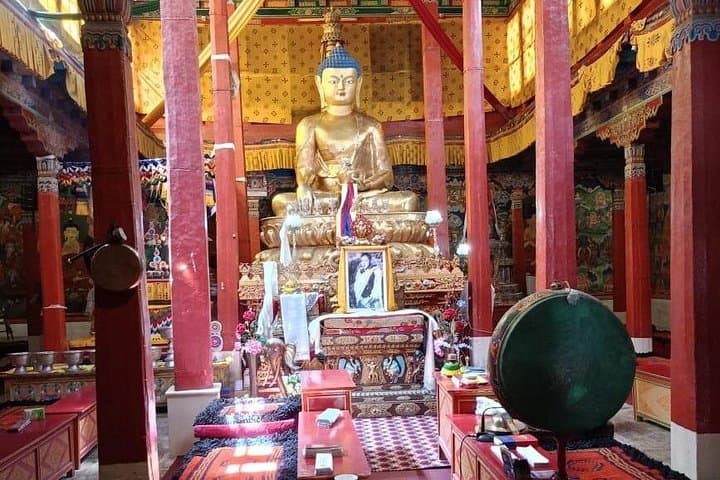
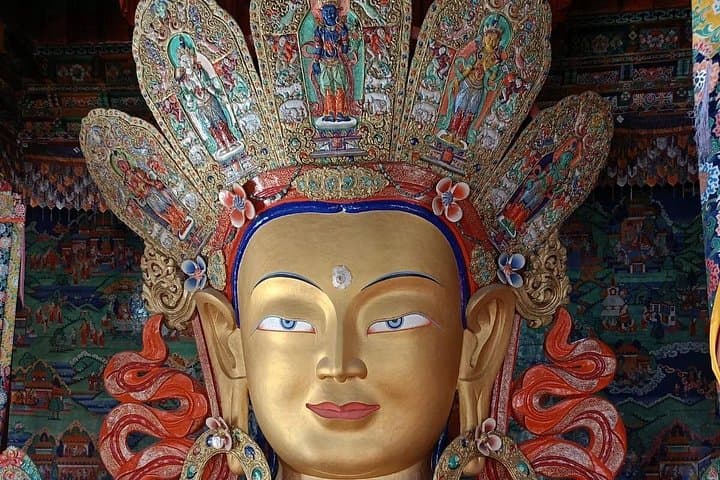
Geology here is blunt and honest — Ladakh sits in the rain shadow of the Greater Himalaya and Karakoram, carved by glaciers and the Indus river. Its history is written in trade routes and monasteries: Hemis and Thiksey preserve centuries of Tibetan Buddhist practice and regional power politics that linked Kashmir, Tibet and Central Asia.
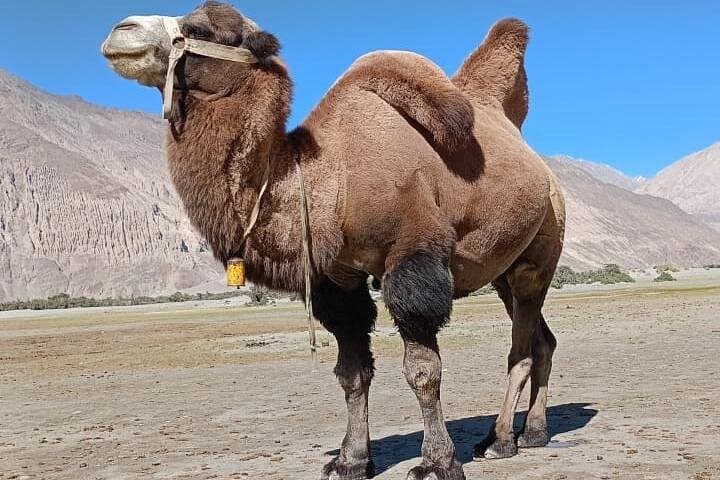
Expect long drives, altitude pauses, and compact villages where apricot orchards and prayer wheels share the same slope. The itinerary staggers acclimatization with a rest day in Leh before monastery visits and a 1‑night stay in Hunder; you’ll meet Bactrian camels in Nubra and pass Magnetic Hill’s odd pull.
Practical edge: follow the planned rest days, hydrate constantly, use sun protection and a warm shell for nights. Guides usually handle regional permits and airport transfers; still carry photo ID and any required documents. Flights into Leh are weather‑sensitive — build a buffer day into your schedule for delays. Footing ranges from paved roads to gravel tracks; no technical climbing skill is needed, but steady mobility and basic cardio make the trip far more enjoyable.
challenging.
6 days.
Moderate to good aerobic fitness recommended—walking and several long drives at altitude require stable stamina.
Consult your doctor—many guides recommend starting acetazolamide (Diamox) 24–48 hours before arrival, but only after medical advice.
Some areas require permits for foreign nationals; tour operators commonly handle Protected Area/Inner Line Permits—confirm before travel.
Flights are weather‑dependent in high‑altitude valleys; schedule a buffer day for possible delays or cancellations.
Travelers should have no serious cardiovascular or spinal issues; older guests and families may join if medically cleared and able to tolerate altitude and long drives.
Ladakh’s position on historic trade routes shaped its Tibetan Buddhist culture; many monasteries date from the 10th–17th centuries and reflect shifting regional powers.
This is a fragile cold‑desert ecosystem—limit waste, avoid single‑use plastics, and support local guesthouses and guides to keep tourism benefits local.
5 Senses Walks operates guided outdoor trips and adventures with an emphasis on safety, stewardship, and memorable experiences.
You arrive in Leh to a sky so big it seems to push the mountains farther apart; the air is thin and carries a cold, clear note that makes each breath deliberate. Daylight slides across ochre cliffs and river terraces while flags ripple at gompas, and the road to Nubra dares you higher still as Khardung La looms: a high, gravel ribbon where engines cough and the land opens into cold desert.
You arrive in Leh to a sky so big it seems to push the mountains farther apart; the air is thin and carries a cold, clear note that makes each breath deliberate. Daylight slides across ochre cliffs and river terraces while flags ripple at gompas, and the road to Nubra dares you higher still as Khardung La looms: a high, gravel ribbon where engines cough and the land opens into cold desert.
Geology here is blunt and honest — Ladakh sits in the rain shadow of the Greater Himalaya and Karakoram, carved by glaciers and the Indus river. Its history is written in trade routes and monasteries: Hemis and Thiksey preserve centuries of Tibetan Buddhist practice and regional power politics that linked Kashmir, Tibet and Central Asia.
Expect long drives, altitude pauses, and compact villages where apricot orchards and prayer wheels share the same slope. The itinerary staggers acclimatization with a rest day in Leh before monastery visits and a 1‑night stay in Hunder; you’ll meet Bactrian camels in Nubra and pass Magnetic Hill’s odd pull.
Practical edge: follow the planned rest days, hydrate constantly, use sun protection and a warm shell for nights. Guides usually handle regional permits and airport transfers; still carry photo ID and any required documents. Flights into Leh are weather‑sensitive — build a buffer day into your schedule for delays. Footing ranges from paved roads to gravel tracks; no technical climbing skill is needed, but steady mobility and basic cardio make the trip far more enjoyable.