THE ADVENTURE COLLECTIVE® · Independent discovery and booking for outdoor travel

A six-day private climb on the Machame Route combines dramatic scenery, careful acclimatization and local guide expertise to put Uhuru Peak within reach. Expect long hiking days, alpine desert, and a midnight summit push rewarded with a sunrise above the glaciers.
A six-day private climb on the Machame Route combines dramatic scenery, careful acclimatization and local guide expertise to put Uhuru Peak within reach. Expect long hiking days, alpine desert, and a midnight summit push rewarded with a sunrise above the glaciers.
You step out of Kilimanjaro International into air that already tastes of altitude—a sharp, dry edge under a high African sky. A short drive drops you into Arusha’s quieter lodges, where guides with Meru-slope shirts lay out the plan and the porters test the kit. On day one the mountain doesn’t reveal itself all at once; it arrives in stages: montane forest that smells of moss and damp loam, giant heather that scrapes the horizon, then a high, stony desert where Kibo’s glaciers glint like old metal.
Verified experiences and guided adventures in the surrounding area.
Operated by MERU SLOPES TOURS AND SAFARIS · Moshi, Kilimanjaro Region
You step out of Kilimanjaro International into air that already tastes of altitude—a sharp, dry edge under a high African sky. A short drive drops you into Arusha’s quieter lodges, where guides with Meru-slope shirts lay out the plan and the porters test the kit. On day one the mountain doesn’t reveal itself all at once; it arrives in stages: montane forest that smells of moss and damp loam, giant heather that scrapes the horizon, then a high, stony desert where Kibo’s glaciers glint like old metal.
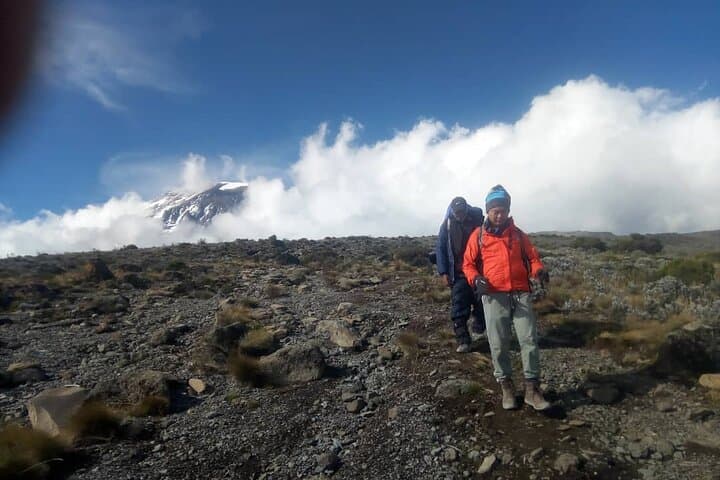
Machame is called the Whiskey Route for its dramatic ups and downs: steep, scenic and acclimatization-friendly. Geologically, Kilimanjaro is a stratovolcano with three distinct cones—Kibo, Mawenzi and Shira—built from successive eruptions and erosion. The walk from Machame Gate to Machame Camp climbs roughly 1,200m over 5–6 hours, through layered ecosystems that shift from rainforest to heath to alpine desert. The Shira Plateau sits on an ancient caldera; the lava tower and western breach are reminders that this is a living landscape sculpted by fire and ice.
Along the trail you’ll pass remnants of Chagga agricultural terraces on the lower slopes and meet the mountain’s workforce: guides, cooks and porters who make the summit possible. Local culture is pragmatic and proud—tipping is customary and supports families in Moshi and surrounding villages. The park is managed as Kilimanjaro National Park, with fees funding both patrols and basic conservation, so stay on trail and minimize single-use plastic.
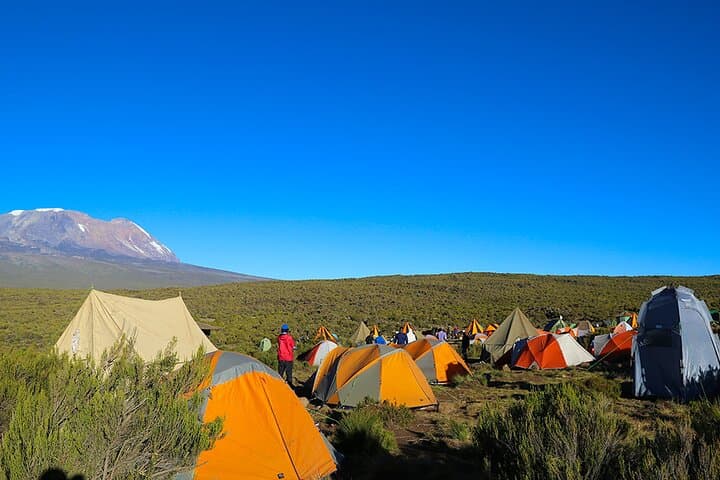
Practical guide: this itinerary runs six days with five nights: Machame Camp (3,000m), Shira Camp (3,840m), Barranco (3,950m), Karanga/Barafu (~4,600m), midnight summit push to Uhuru Peak (5,895m) and descent to Mweka. Expect long days: Day 4 can be 8–10 hours with sustained altitude; summit day is an overnight ascent beginning around midnight—plan for 12–18 hours of moving time between ascent and descent. The route is non-technical but physically demanding; a high degree of fitness and prior multi-day trekking experience will help. Hydration and slow pace are your best defenses against altitude sickness—drink frequently and communicate symptoms immediately.
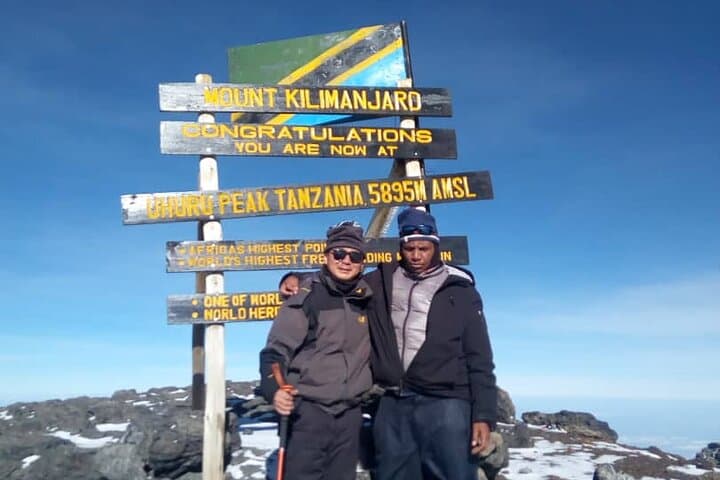
Logistics are handled: private transfers from Kilimanjaro airport to Arusha or Moshi, full board meals on the mountain, purified water, and experienced guides. Bring layered clothing for Arctic conditions above 4,500m, a warm sleeping bag rated to at least -10°C, rigid trekking boots, and gaiters for scree. Respect the ecosystem and your team—pack out non-biodegradable waste and tip generously. At Stella Point the sunrise will feel earned; at Uhuru Peak you’ll find a raw, cold clarity: the continent laid out below you, the work of a mountain and a community that made it possible.
challenging.
6 days.
Requires high aerobic fitness, experience with multi-day hiking and ability to hike 6–10 hours on consecutive days at altitude
The 6-day Machame is challenging—non-technical but strenuous with long days and rapid altitude change; good fitness and acclimatization strategy are essential.
No technical climbing skills are required; however experience with multi-day trekking and hiking at altitude helps significantly.
Summit success varies with fitness, acclimatization and weather; a 6-day plan gives reasonable acclimatization but no guarantee—listen to guides for safety decisions.
Camps have basic pit or portable toilets; conditions vary—bring hand sanitizer and biodegradable toilet paper in a sealed bag for disposal by staff.
Yes—tipping is customary and an important income source; most groups pool tips and distribute them to porters and guides at the end of the trek.
The clearest weather and best summit visibility are during dry months: June–October and late December–February, but shoulder seasons offer fewer crowds.
Kilimanjaro’s slopes are home to the Chagga people; the mountain’s volcanic cones formed over hundreds of thousands of years and shaped local agriculture and culture.
Park fees fund patrols and trail maintenance; follow leave-no-trace principles, avoid plastic waste and stick to established campsites.
MERU SLOPES TOURS AND SAFARIS operates guided outdoor trips and adventures with an emphasis on safety, stewardship, and memorable experiences.
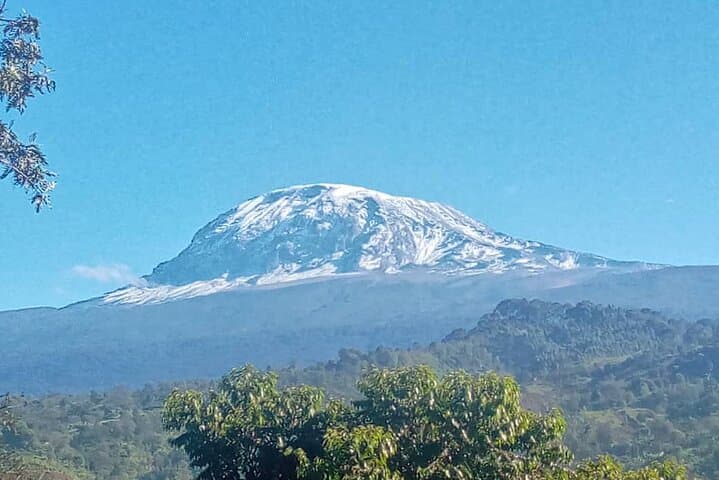
You step out of Kilimanjaro International into air that already tastes of altitude—a sharp, dry edge under a high African sky. A short drive drops you into Arusha’s quieter lodges, where guides with Meru-slope shirts lay out the plan and the porters test the kit. On day one the mountain doesn’t reveal itself all at once; it arrives in stages: montane forest that smells of moss and damp loam, giant heather that scrapes the horizon, then a high, stony desert where Kibo’s glaciers glint like old metal.
You step out of Kilimanjaro International into air that already tastes of altitude—a sharp, dry edge under a high African sky. A short drive drops you into Arusha’s quieter lodges, where guides with Meru-slope shirts lay out the plan and the porters test the kit. On day one the mountain doesn’t reveal itself all at once; it arrives in stages: montane forest that smells of moss and damp loam, giant heather that scrapes the horizon, then a high, stony desert where Kibo’s glaciers glint like old metal.
Machame is called the Whiskey Route for its dramatic ups and downs: steep, scenic and acclimatization-friendly. Geologically, Kilimanjaro is a stratovolcano with three distinct cones—Kibo, Mawenzi and Shira—built from successive eruptions and erosion. The walk from Machame Gate to Machame Camp climbs roughly 1,200m over 5–6 hours, through layered ecosystems that shift from rainforest to heath to alpine desert. The Shira Plateau sits on an ancient caldera; the lava tower and western breach are reminders that this is a living landscape sculpted by fire and ice.
Along the trail you’ll pass remnants of Chagga agricultural terraces on the lower slopes and meet the mountain’s workforce: guides, cooks and porters who make the summit possible. Local culture is pragmatic and proud—tipping is customary and supports families in Moshi and surrounding villages. The park is managed as Kilimanjaro National Park, with fees funding both patrols and basic conservation, so stay on trail and minimize single-use plastic.
Practical guide: this itinerary runs six days with five nights: Machame Camp (3,000m), Shira Camp (3,840m), Barranco (3,950m), Karanga/Barafu (~4,600m), midnight summit push to Uhuru Peak (5,895m) and descent to Mweka. Expect long days: Day 4 can be 8–10 hours with sustained altitude; summit day is an overnight ascent beginning around midnight—plan for 12–18 hours of moving time between ascent and descent. The route is non-technical but physically demanding; a high degree of fitness and prior multi-day trekking experience will help. Hydration and slow pace are your best defenses against altitude sickness—drink frequently and communicate symptoms immediately.
Logistics are handled: private transfers from Kilimanjaro airport to Arusha or Moshi, full board meals on the mountain, purified water, and experienced guides. Bring layered clothing for Arctic conditions above 4,500m, a warm sleeping bag rated to at least -10°C, rigid trekking boots, and gaiters for scree. Respect the ecosystem and your team—pack out non-biodegradable waste and tip generously. At Stella Point the sunrise will feel earned; at Uhuru Peak you’ll find a raw, cold clarity: the continent laid out below you, the work of a mountain and a community that made it possible.