THE ADVENTURE COLLECTIVE® · Independent discovery and booking for outdoor travel

A six-day private loop from Srinagar through Gulmarg, Pahalgam and Sonamarg that pairs Mughal gardens and houseboats with high meadows, glaciers and a ride on one of the world’s highest gondolas. Practical pacing and optional short hikes make it ideal for active sightseers.
A six-day private loop from Srinagar through Gulmarg, Pahalgam and Sonamarg that pairs Mughal gardens and houseboats with high meadows, glaciers and a ride on one of the world’s highest gondolas. Practical pacing and optional short hikes make it ideal for active sightseers.
You step off the plane into a sharp mountain air that smells faintly of pine, dried apricots and wood smoke. Srinagar unfolds along the Jhelum — houseboats rocking gently, shikaras cutting glass-smooth water — and the Zabarwan ridgeline watches every arrival.
Verified experiences and guided adventures in the surrounding area.
Operated by Odyssey Tours & Travels · Srinagar, Jammu and Kashmir (UT)
You step off the plane into a sharp mountain air that smells faintly of pine, dried apricots and wood smoke. Srinagar unfolds along the Jhelum — houseboats rocking gently, shikaras cutting glass-smooth water — and the Zabarwan ridgeline watches every arrival.
This route threads Mughal-era gardens, high meadows and glacier-carved valleys. The Mughal Gardens and Shankaracharya Temple trace 17th-century royal landscapes; the Sindh River has carved Sonamarg’s approach and gathers trout beneath craggy outcrops. Geologically the valley is a high-altitude bowl between the Pir Panjal and Great Himalaya ranges, where perennial snowfields feed emerald rivers that dare you to follow them uphill.
Expect a practical rhythm: mornings in Srinagar’s markets and a Shikara ride; day trips to Gulmarg (town ~2,652 m) for the Gondola ride toward Apharwat (≈3,950 m) and alpine views; transfer to Pahalgam (≈2,133 m) to walk to Betaab Valley, Aru and Baisaran meadows; then Sonamarg (≈2,730 m) with Thajiwas Glacier and the option to push toward Zero Point for summer snow. Distances are modest but roads rise and fall—Srinagar–Gulmarg is roughly 1.5–2 hours, Srinagar–Pahalgam and Sonamarg 2–3 hours depending on traffic and mountain conditions.
Practical edge: layers and steady footwear matter more than flash kit; allow time to acclimatize, drink water, and keep a flexible day for weather or road holds. Cash and local SIMs help in smaller villages. If your itinerary includes the Amarnath approach or high-altitude trekking, plan for permits and guide-supported logistics. Otherwise, this private itinerary balances scenic drives, short hikes and cultural stops — compact, vivid and suited to travelers who want Himalayan high-country without technical climbs.
moderate.
5–6 days.
Suitable for travelers who can walk 3–6 km on uneven trails and tolerate short altitude gain; not technical but requires steady balance and stamina.
Yes — most towns are between 1,700–3,000 m; allow a relaxed first day in Srinagar, hydrate, and avoid heavy exertion the first 24 hours.
The tour mentions a Gulmarg Gondola and a Shikara ride as inclusions or options; confirm with the operator which activities are covered and which incur local fees.
Late spring to early autumn (May–September) offers green meadows and accessible passes; winter (Dec–Feb) is for skiing but some roads and services are limited.
If you plan the Amarnath pilgrimage or high passes beyond the standard sightseeing circuit, special permits and seasonal arrangements are required; this package does not automatically include Amarnath access.
Kashmir’s formal gardens and houseboats reflect Mughal patronage (16th–17th centuries) and a long history of valley trade and craftsmanship in shawls and saffron.
Fragile alpine meadows and glacier-fed rivers rely on low-impact tourism; stick to marked paths, avoid single-use plastics, and support local homestays and guides.
Odyssey Tours & Travels operates guided outdoor trips and adventures with an emphasis on safety, stewardship, and memorable experiences.

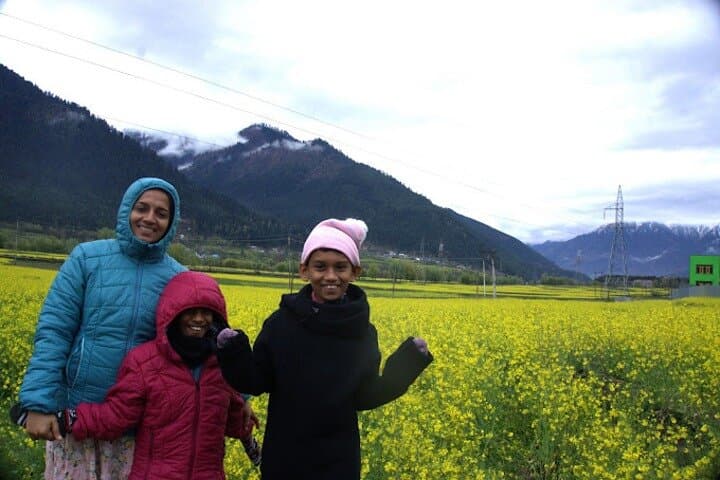
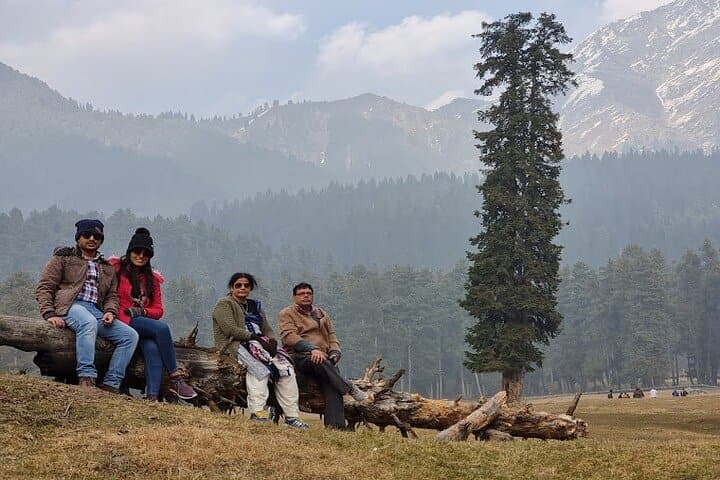
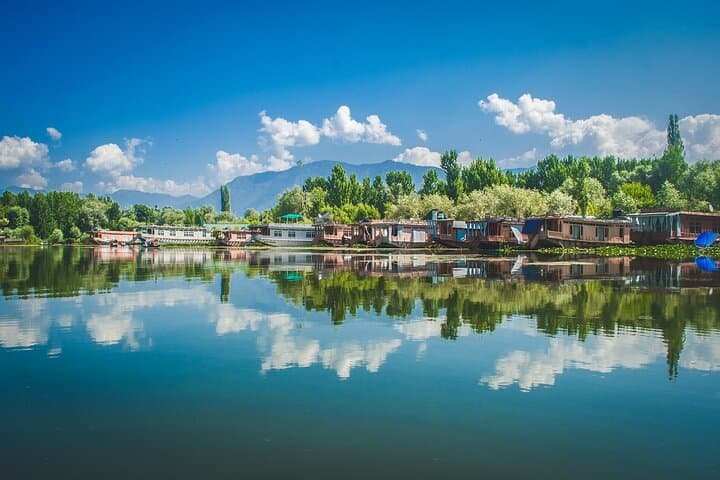
You step off the plane into a sharp mountain air that smells faintly of pine, dried apricots and wood smoke. Srinagar unfolds along the Jhelum — houseboats rocking gently, shikaras cutting glass-smooth water — and the Zabarwan ridgeline watches every arrival.
You step off the plane into a sharp mountain air that smells faintly of pine, dried apricots and wood smoke. Srinagar unfolds along the Jhelum — houseboats rocking gently, shikaras cutting glass-smooth water — and the Zabarwan ridgeline watches every arrival.
This route threads Mughal-era gardens, high meadows and glacier-carved valleys. The Mughal Gardens and Shankaracharya Temple trace 17th-century royal landscapes; the Sindh River has carved Sonamarg’s approach and gathers trout beneath craggy outcrops. Geologically the valley is a high-altitude bowl between the Pir Panjal and Great Himalaya ranges, where perennial snowfields feed emerald rivers that dare you to follow them uphill.
Expect a practical rhythm: mornings in Srinagar’s markets and a Shikara ride; day trips to Gulmarg (town ~2,652 m) for the Gondola ride toward Apharwat (≈3,950 m) and alpine views; transfer to Pahalgam (≈2,133 m) to walk to Betaab Valley, Aru and Baisaran meadows; then Sonamarg (≈2,730 m) with Thajiwas Glacier and the option to push toward Zero Point for summer snow. Distances are modest but roads rise and fall—Srinagar–Gulmarg is roughly 1.5–2 hours, Srinagar–Pahalgam and Sonamarg 2–3 hours depending on traffic and mountain conditions.
Practical edge: layers and steady footwear matter more than flash kit; allow time to acclimatize, drink water, and keep a flexible day for weather or road holds. Cash and local SIMs help in smaller villages. If your itinerary includes the Amarnath approach or high-altitude trekking, plan for permits and guide-supported logistics. Otherwise, this private itinerary balances scenic drives, short hikes and cultural stops — compact, vivid and suited to travelers who want Himalayan high-country without technical climbs.