THE ADVENTURE COLLECTIVE® · Independent discovery and booking for outdoor travel

Discover India’s Golden Triangle over six days by private car: sunrise at the Taj Mahal, the ramparts of Agra Fort, and Jaipur’s palaces. This practical guide helps you plan timing, gear and local insights for a smooth cultural route.
Discover India’s Golden Triangle over six days by private car: sunrise at the Taj Mahal, the ramparts of Agra Fort, and Jaipur’s palaces. This practical guide helps you plan timing, gear and local insights for a smooth cultural route.
You step out of an air‑conditioned car into the smell of chai and warm stone—New Delhi’s wide boulevards humming with rickshaws, the Yamuna river daring you to look across at white marble in the distance. Over six days the route tightens into a rhythm of domes, ramparts and market alleys: sunrise at the Taj, sunset over Jaipur’s palaces, and the constant human traffic that gives these places their pulse.
Verified experiences and guided adventures in the surrounding area.
Operated by Namaste India Vacations · New Delhi, Delhi
You step out of an air‑conditioned car into the smell of chai and warm stone—New Delhi’s wide boulevards humming with rickshaws, the Yamuna river daring you to look across at white marble in the distance. Over six days the route tightens into a rhythm of domes, ramparts and market alleys: sunrise at the Taj, sunset over Jaipur’s palaces, and the constant human traffic that gives these places their pulse.
The Golden Triangle traces routes first used by Mughal courts and later by colonial administrators. Geologically the plains are alluvium—flat, hot in summer, and punctuated by sandstone forts and marble monuments carved from local quarries. Culturally the three cities offer different chapters: Delhi’s layered empires, Agra’s Mughal funerary art, and Jaipur’s Rajput craftsmanship and observatories.
Expect crowded sights, deliberate photography windows (early mornings are best), and markets where textiles and jewelry trade old techniques for modern tourists. Local guides will narrate Mughal building techniques and point out pietra dura inlay that prefigured the Taj’s detail.
Practical guidance: plan Taj Mahal at first light for cooler temperatures and softer light; carry photocopies of ID for monument entry; wear breathable clothing that covers shoulders and knees in religious sites; budget time for road travel—Delhi to Agra is about 3.5–4 hours by car; and keep small bills for parking, toilets and tips. Hydrate frequently and carry a portable charger—signals and comfort stops vary en route. This is a pace of cultural trekking: short walks, many stairs, and long, richly textured days.
easy.
6 days.
Light fitness required—able to walk short distances, climb stairs, and handle full days of sightseeing.
This tour lists professional guides and all fees and taxes as included; confirm any optional extras like elephant rides or private museum rooms.
Expect roughly 3.5–4 hours Delhi to Agra, 2–3 hours Agra to Abhaneri/Fatehpur Sikri detours, and about 4–5 hours total toward Jaipur depending on traffic and stops.
The itinerary is rated easy and wheelchair accessible in many areas, but several heritage sites have stairs and uneven surfaces—advise providers of mobility needs in advance.
Most nationalities require an Indian visa obtained before travel; vaccinations depend on your origin—check CDC or your local health authority for current recommendations.
The Golden Triangle links Mughal imperial architecture (Agra’s mausoleums) with Rajput palaces in Jaipur and layered colonial and Mughal districts in Delhi—routes shaped by politics and trade over centuries.
Historic sites face wear from tourism; use refillable bottles, respect no‑touch rules for inlay work, and follow local guidance to reduce impact on monuments.
Namaste India Vacations operates guided outdoor trips and adventures with an emphasis on safety, stewardship, and memorable experiences.
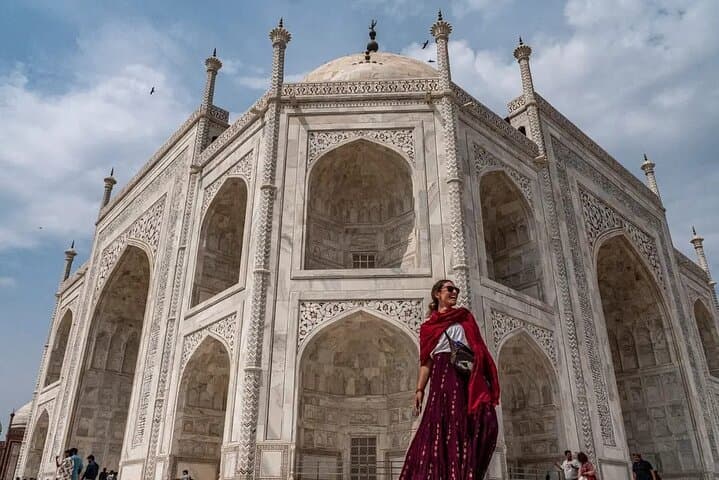
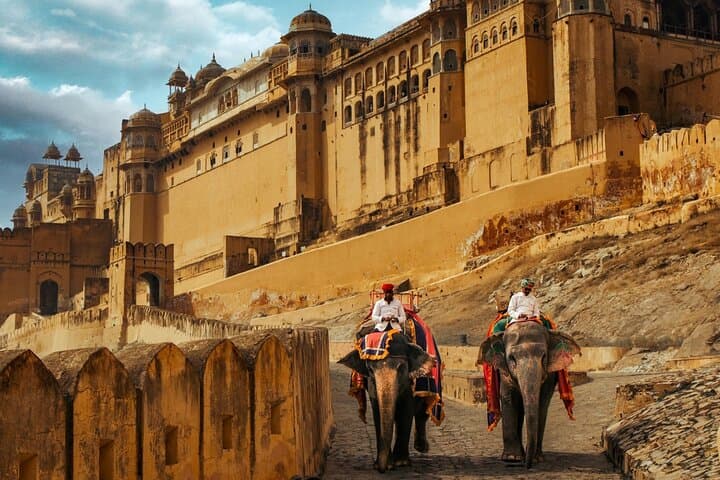
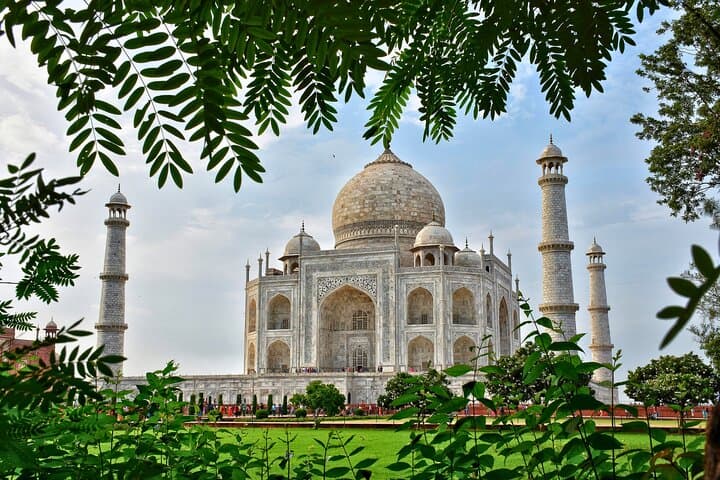

You step out of an air‑conditioned car into the smell of chai and warm stone—New Delhi’s wide boulevards humming with rickshaws, the Yamuna river daring you to look across at white marble in the distance. Over six days the route tightens into a rhythm of domes, ramparts and market alleys: sunrise at the Taj, sunset over Jaipur’s palaces, and the constant human traffic that gives these places their pulse.
You step out of an air‑conditioned car into the smell of chai and warm stone—New Delhi’s wide boulevards humming with rickshaws, the Yamuna river daring you to look across at white marble in the distance. Over six days the route tightens into a rhythm of domes, ramparts and market alleys: sunrise at the Taj, sunset over Jaipur’s palaces, and the constant human traffic that gives these places their pulse.
The Golden Triangle traces routes first used by Mughal courts and later by colonial administrators. Geologically the plains are alluvium—flat, hot in summer, and punctuated by sandstone forts and marble monuments carved from local quarries. Culturally the three cities offer different chapters: Delhi’s layered empires, Agra’s Mughal funerary art, and Jaipur’s Rajput craftsmanship and observatories.
Expect crowded sights, deliberate photography windows (early mornings are best), and markets where textiles and jewelry trade old techniques for modern tourists. Local guides will narrate Mughal building techniques and point out pietra dura inlay that prefigured the Taj’s detail.
Practical guidance: plan Taj Mahal at first light for cooler temperatures and softer light; carry photocopies of ID for monument entry; wear breathable clothing that covers shoulders and knees in religious sites; budget time for road travel—Delhi to Agra is about 3.5–4 hours by car; and keep small bills for parking, toilets and tips. Hydrate frequently and carry a portable charger—signals and comfort stops vary en route. This is a pace of cultural trekking: short walks, many stairs, and long, richly textured days.