THE ADVENTURE COLLECTIVE® · Independent discovery and booking for outdoor travel

A compact, private six‑day sweep through Egypt’s headline antiquities — Giza, Saqqara, Luxor, Aswan and Abu Simbel — with private guides and transfers. Expect long days, domestic travel logistics and a deep immersion in pharaonic history.
A compact, private six‑day sweep through Egypt’s headline antiquities — Giza, Saqqara, Luxor, Aswan and Abu Simbel — with private guides and transfers. Expect long days, domestic travel logistics and a deep immersion in pharaonic history.
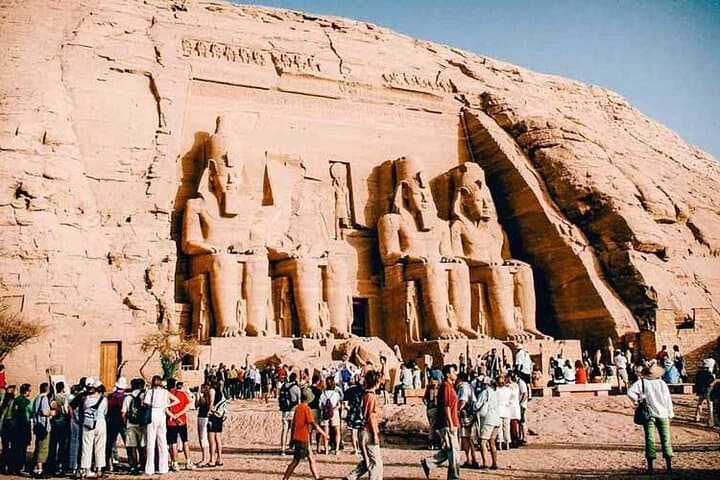
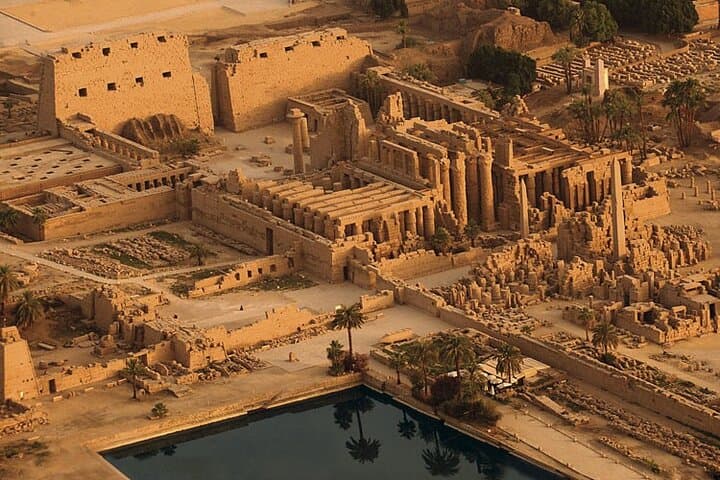
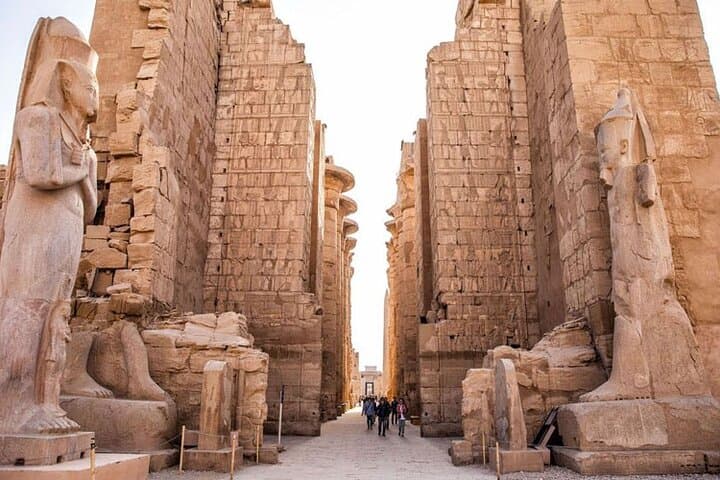
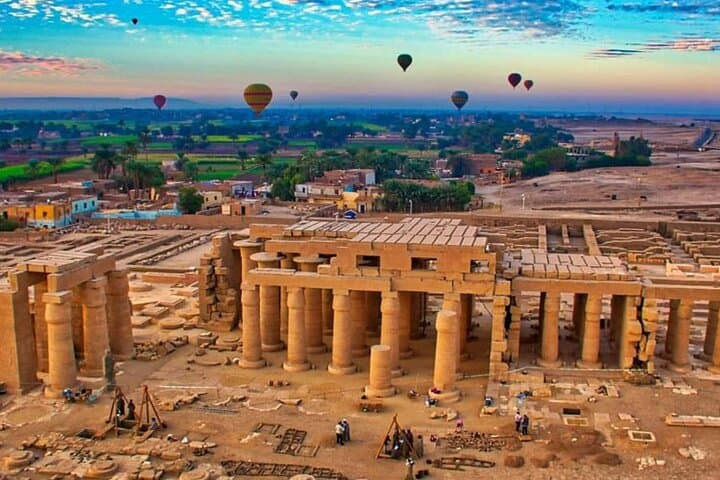
You step from the humid glare of Cairo’s airport into an air‑conditioned car and the country’s deep time snaps into focus: stone faces carved four millennia ago, the slow ribbon of the Nile guiding cities and empires. Over six days this private itinerary stitches the Giza Plateau, Saqqara’s step pyramid, Luxor’s Valley of the Kings, Karnak’s columned halls, Aswan’s riverine calm and the sunlit colossi of Abu Simbel into a single historical pulse.
Verified experiences and guided adventures in the surrounding area.
Operated by Tripianto · Cairo, Cairo Governorate
You step from the humid glare of Cairo’s airport into an air‑conditioned car and the country’s deep time snaps into focus: stone faces carved four millennia ago, the slow ribbon of the Nile guiding cities and empires. Over six days this private itinerary stitches the Giza Plateau, Saqqara’s step pyramid, Luxor’s Valley of the Kings, Karnak’s columned halls, Aswan’s riverine calm and the sunlit colossi of Abu Simbel into a single historical pulse.
The route follows Egypt’s long arc — Old Kingdom mastabas at Saqqara, New Kingdom tombs in Luxor, and Ramesses II’s relocated temples on Lake Nasser. Geology is part of the story: Nile silt and limestone quarries supplied the blocks that now cast long morning shadows; granite from Aswan sculpts pharaonic statuary. Cultural layers are visible in Cairo’s Coptic churches and the bustling Khan al‑Khalili bazaar, where Ottoman, Arab and medieval Egyptian influences meet.
Practically, expect long sightseeing days, short domestic flights or a first‑class evening train between Luxor and Aswan, and an early pre‑dawn departure for Abu Simbel. Guides will navigate ticketing and lines, but you should handle domestic flight bookings and pack for heat, sun and cultural modesty—light, breathable clothing and closed shoes for temple steps. Bring a refillable water bottle, sun protection, comfortable walking shoes and a camera with spare battery; some tombs limit flash photography. With a private guide and transfers included, the itinerary is efficient but full — plan sleep windows and leave a free afternoon in Cairo to recover and explore at your own pace.
moderate.
6 days.
Moderate; participants should be able to handle several hours of walking and some stairs each day and tolerate early mornings and travel between cities.
Most local transfers and guiding are included, but some attraction admissions (e.g., certain tombs, optional experiences) may not be; check the booking details for specifics.
Yes — you should carry your passport for all domestic flights, museum entries and ticketing; keep a photocopy handy as well.
Days are full and involve significant walking, stairs and standing; it’s rated suitable for most fitness levels but requires stamina for back‑to‑back sightseeing.
Yes — Abu Simbel is a well‑managed UNESCO site relocated above Lake Nasser and routinely visited; it typically requires an early start and a longer road transfer or scheduled flight.
This route traces Egypt’s major epochs: Old Kingdom mortuary complexes at Saqqara and Giza, and New Kingdom temples and royal tombs clustered around Thebes (modern Luxor). Abu Simbel’s temples were famously dismantled and moved during the 1960s to save them from Lake Nasser.
Tourism is a major stress on fragile sites; follow local rules (no touching reliefs, limited flash photography) and support sites by using official guides and licensed operators to reduce wear on monuments.
Tripianto operates guided outdoor trips and adventures with an emphasis on safety, stewardship, and memorable experiences.
You step from the humid glare of Cairo’s airport into an air‑conditioned car and the country’s deep time snaps into focus: stone faces carved four millennia ago, the slow ribbon of the Nile guiding cities and empires. Over six days this private itinerary stitches the Giza Plateau, Saqqara’s step pyramid, Luxor’s Valley of the Kings, Karnak’s columned halls, Aswan’s riverine calm and the sunlit colossi of Abu Simbel into a single historical pulse.
You step from the humid glare of Cairo’s airport into an air‑conditioned car and the country’s deep time snaps into focus: stone faces carved four millennia ago, the slow ribbon of the Nile guiding cities and empires. Over six days this private itinerary stitches the Giza Plateau, Saqqara’s step pyramid, Luxor’s Valley of the Kings, Karnak’s columned halls, Aswan’s riverine calm and the sunlit colossi of Abu Simbel into a single historical pulse.
The route follows Egypt’s long arc — Old Kingdom mastabas at Saqqara, New Kingdom tombs in Luxor, and Ramesses II’s relocated temples on Lake Nasser. Geology is part of the story: Nile silt and limestone quarries supplied the blocks that now cast long morning shadows; granite from Aswan sculpts pharaonic statuary. Cultural layers are visible in Cairo’s Coptic churches and the bustling Khan al‑Khalili bazaar, where Ottoman, Arab and medieval Egyptian influences meet.
Practically, expect long sightseeing days, short domestic flights or a first‑class evening train between Luxor and Aswan, and an early pre‑dawn departure for Abu Simbel. Guides will navigate ticketing and lines, but you should handle domestic flight bookings and pack for heat, sun and cultural modesty—light, breathable clothing and closed shoes for temple steps. Bring a refillable water bottle, sun protection, comfortable walking shoes and a camera with spare battery; some tombs limit flash photography. With a private guide and transfers included, the itinerary is efficient but full — plan sleep windows and leave a free afternoon in Cairo to recover and explore at your own pace.