THE ADVENTURE COLLECTIVE® · Independent discovery and booking for outdoor travel

Traverse the Draa Valley, cross the Bani Mountains and spend nights in Berber camps on a six-day private camel trek from Zagora to M'hamid. Expect long walking days over plateau and dunes, simple camps, and close encounters with desert life.
Traverse the Draa Valley, cross the Bani Mountains and spend nights in Berber camps on a six-day private camel trek from Zagora to M'hamid. Expect long walking days over plateau and dunes, simple camps, and close encounters with desert life.
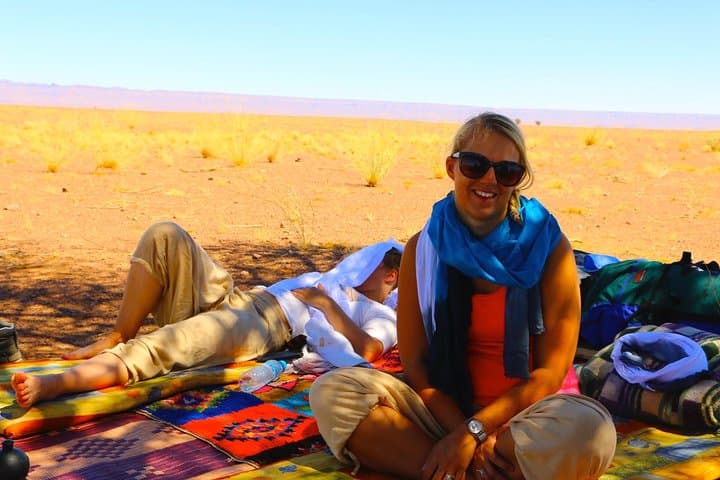
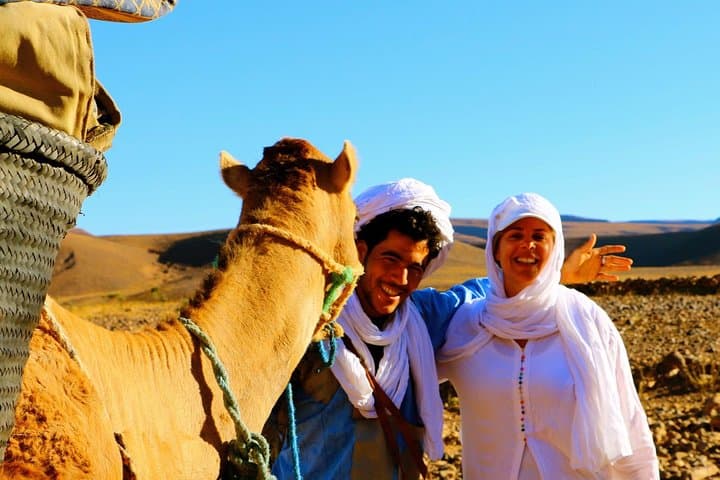
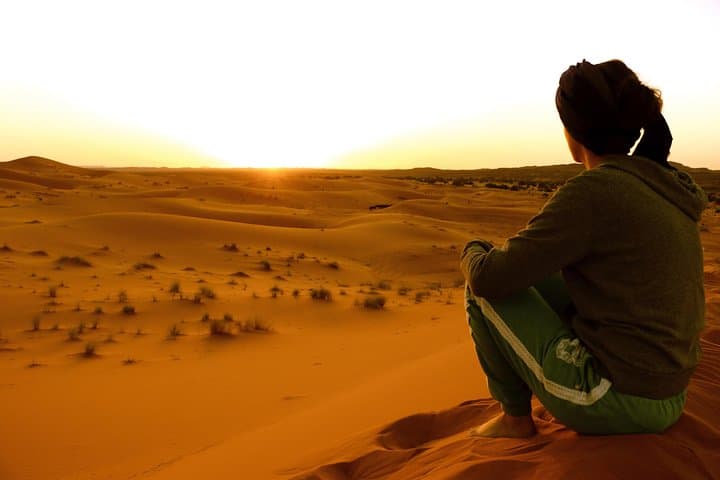
A thin wind moves the sand into new ridges as the caravan threads away from Zagora: camels step in a slow, patient rhythm while the Draa Valley shrinks into date-palmed farmland behind you. Morning light cuts the basalt of the Bani foothills into hard relief; by late afternoon the dunes of El Mariar glow bronze and the camp cooks mint tea over coals.
Verified experiences and guided adventures in the surrounding area.
Operated by Explore Morocco Travel SARL · Zagora, Drâa-Tafilalet
A thin wind moves the sand into new ridges as the caravan threads away from Zagora: camels step in a slow, patient rhythm while the Draa Valley shrinks into date-palmed farmland behind you. Morning light cuts the basalt of the Bani foothills into hard relief; by late afternoon the dunes of El Mariar glow bronze and the camp cooks mint tea over coals.
This six-day private trek follows historic caravan corridors used by Berber traders crossing southern Morocco toward the Sahara. Geologically the route moves from alluvial valley and volcanic-strewn plateaus across sandstone passes and into shifting erg dunes—each day shifts the footing and the view. Culturally the trip centers on living with local families: overnight stays, bread baked in communal fires, and songs by the campfire are all part of the exchange.
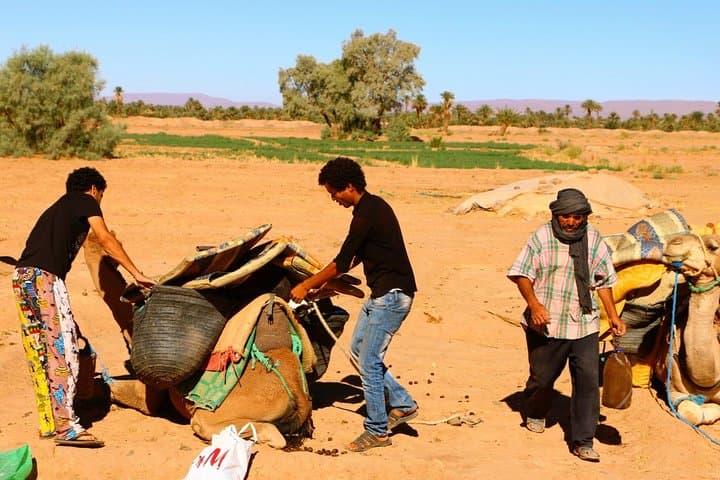
Travelers can expect long walking days (10–18 km per day) over sand and hardpan, simple camps with mattresses and blankets, and the option to sleep under the stars. Guides will handle camping logistics and camels carry luggage; portability and light packing matter.
Practical tips: pace yourself on sand (shorten stride, use poles if you have them), hydrate proactively—water consumption increases dramatically on dunes—and plan clothing for hot days and cold desert nights. Dawn and dusk are the best windows for photography and comfortable trekking; mid-day is for rest, shade and mint tea. With basic camel-riding confidence and solid endurance, this itinerary gives an immersive, low-impact way to experience Berber life and the open desert.
challenging.
6 days.
Requires high endurance for consecutive days of walking on sand and plateaus; good cardiovascular fitness and lower-body strength recommended
You should have high endurance and be able to walk 10–18 km on uneven or sandy terrain for multiple days; prior multi-day hikes are recommended.
Nights are a mix of stays with a Berber family, camping on mattresses and blankets in tents or under stars, and one rustic double room in a campsite.
Yes — local guides and camel drivers cook meals, set up the kitchen and sleeping areas, and manage camels carrying luggage.
Facilities are basic: family homes and established camps may have simple toilets and shared showers; during remote nights expect no running water.
The route follows traditional trans-Saharan caravan corridors used by Berber traders; villages and kasbahs reflect centuries of oasis agriculture and trade.
The desert ecosystem is fragile: minimize campfire impact, pack out waste, conserve water and follow guide instructions to avoid vegetation and archaeological sites.
Explore Morocco Travel SARL operates guided outdoor trips and adventures with an emphasis on safety, stewardship, and memorable experiences.
A thin wind moves the sand into new ridges as the caravan threads away from Zagora: camels step in a slow, patient rhythm while the Draa Valley shrinks into date-palmed farmland behind you. Morning light cuts the basalt of the Bani foothills into hard relief; by late afternoon the dunes of El Mariar glow bronze and the camp cooks mint tea over coals.
A thin wind moves the sand into new ridges as the caravan threads away from Zagora: camels step in a slow, patient rhythm while the Draa Valley shrinks into date-palmed farmland behind you. Morning light cuts the basalt of the Bani foothills into hard relief; by late afternoon the dunes of El Mariar glow bronze and the camp cooks mint tea over coals.
This six-day private trek follows historic caravan corridors used by Berber traders crossing southern Morocco toward the Sahara. Geologically the route moves from alluvial valley and volcanic-strewn plateaus across sandstone passes and into shifting erg dunes—each day shifts the footing and the view. Culturally the trip centers on living with local families: overnight stays, bread baked in communal fires, and songs by the campfire are all part of the exchange.
Travelers can expect long walking days (10–18 km per day) over sand and hardpan, simple camps with mattresses and blankets, and the option to sleep under the stars. Guides will handle camping logistics and camels carry luggage; portability and light packing matter.
Practical tips: pace yourself on sand (shorten stride, use poles if you have them), hydrate proactively—water consumption increases dramatically on dunes—and plan clothing for hot days and cold desert nights. Dawn and dusk are the best windows for photography and comfortable trekking; mid-day is for rest, shade and mint tea. With basic camel-riding confidence and solid endurance, this itinerary gives an immersive, low-impact way to experience Berber life and the open desert.