THE ADVENTURE COLLECTIVE® · Independent discovery and booking for outdoor travel

A six-day private safari launched from Arusha that links Tarangire’s elephants, Serengeti’s migration corridors, and the Ngorongoro Crater’s dense wildlife—designed for travelers seeking focused game drives and dramatic landscapes.
A six-day private safari launched from Arusha that links Tarangire’s elephants, Serengeti’s migration corridors, and the Ngorongoro Crater’s dense wildlife—designed for travelers seeking focused game drives and dramatic landscapes.
The convoy pulls out of Arusha at dawn, the city shrinking behind acacia-studded plains as the Land Cruiser climbs toward open country. Dust rises; baobabs puncture the horizon. In the dry season the Tarangire River dares wildlife to gather, while the Serengeti’s grass seas churn with wildebeest and the Ngorongoro crater hangs like an ancient bowl of life below its rim.
Verified experiences and guided adventures in the surrounding area.
Operated by Serengeti Luxury Safaris · Arusha, Arusha Region
The convoy pulls out of Arusha at dawn, the city shrinking behind acacia-studded plains as the Land Cruiser climbs toward open country. Dust rises; baobabs puncture the horizon. In the dry season the Tarangire River dares wildlife to gather, while the Serengeti’s grass seas churn with wildebeest and the Ngorongoro crater hangs like an ancient bowl of life below its rim.
This six-day private loop threads Tanzania’s major safari landscapes. Tarangire (about 120 km south of Arusha) is known for large elephant herds and rugged baobabs. The Serengeti’s geology—broad volcanic plains and rocky kopjes—frames the great migration and the Mara River crossings. Ngorongoro’s 20 km-wide, 600 m-deep caldera is the world’s largest intact crater and supports dense populations of grazers and predators. The tour also moves through Maasai lands; visitors will notice pastoral settlements and traditional grazing patterns that shape local ecology.
Practical guidance: expect long drive days (2–8 hours between parks) on graded roads; average elevations range from ~1,200 m on the plains to ~2,200–2,400 m on the Ngorongoro rim. Game drives are low-impact but require patience—wildlife sightings are unpredictable. Bring layered clothing for cool mornings on the rim and strong sun during midday, a refillable water bottle, binoculars, and a camera with a telephoto lens.
This itinerary balances early and late drives to catch animals at their most active; book park fees and permits in advance and plan rest in Arusha before or after the safari to absorb travel time and altitude changes.
moderate.
6 days.
Suitable for travelers in average fitness; days involve extended vehicle time and short walks at lodges or viewpoints.
Yes — park fees are listed as included in this tour’s inclusions.
Transfers vary: Arusha–Tarangire ~2–3 hours, Tarangire–Serengeti/Ngorongoro legs can be 5–8 hours depending on route and stops.
The tour accepts infants (they must sit on laps); discuss infant seats and child-specific needs with the operator when booking.
The itinerary targets migration areas like the Mara River in certain months, but crossings are seasonal and depend on rainfall and herd movement.
The Ngorongoro Highlands and Serengeti are part of long-standing pastoral lands used by Maasai communities; archaeological finds across the region also trace early human activity on the plains.
Tourism revenue contributes to park management and local economies, but visitors should minimize waste and respect wildlife distances to reduce disturbance.
Serengeti Luxury Safaris operates guided outdoor trips and adventures with an emphasis on safety, stewardship, and memorable experiences.
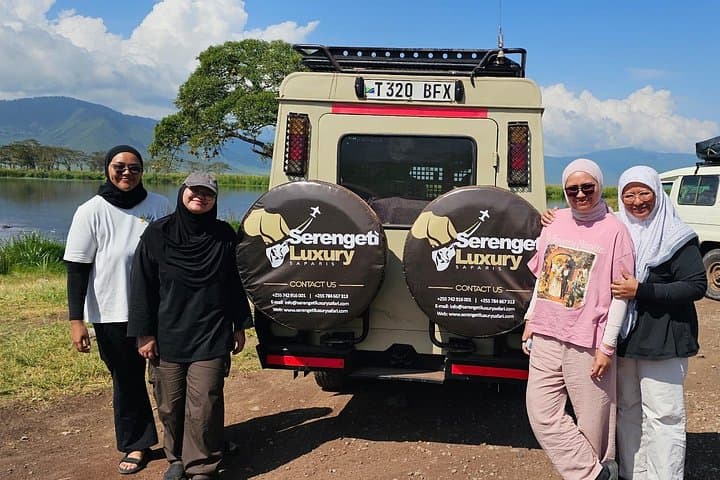
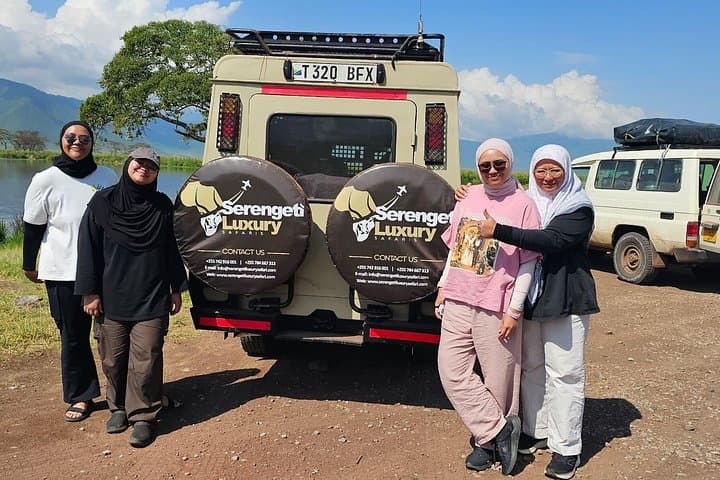
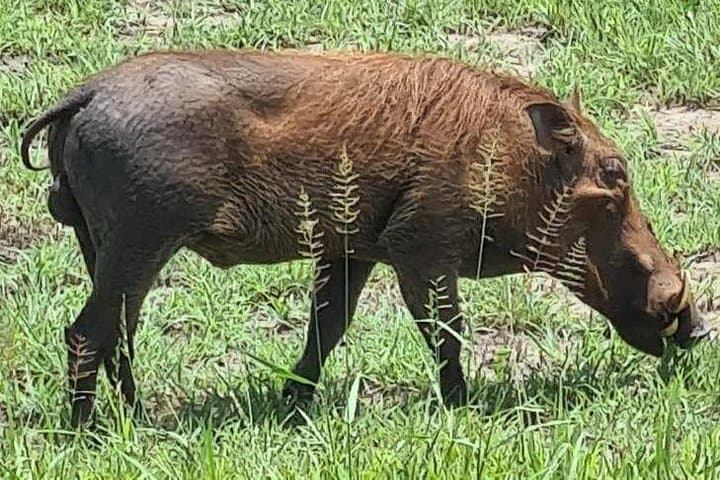
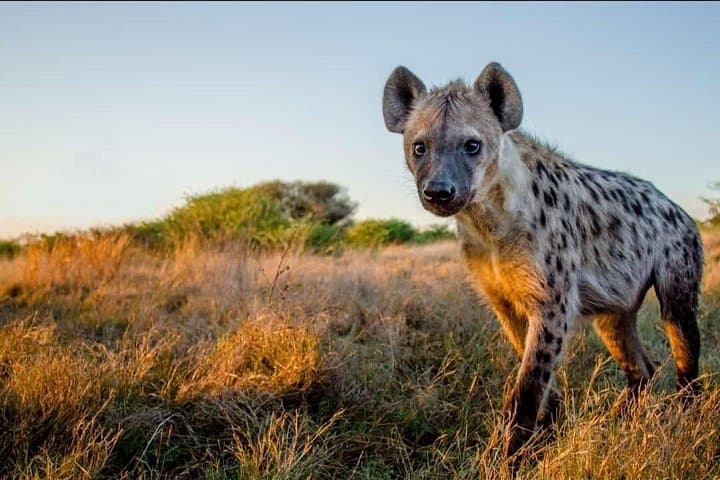
The convoy pulls out of Arusha at dawn, the city shrinking behind acacia-studded plains as the Land Cruiser climbs toward open country. Dust rises; baobabs puncture the horizon. In the dry season the Tarangire River dares wildlife to gather, while the Serengeti’s grass seas churn with wildebeest and the Ngorongoro crater hangs like an ancient bowl of life below its rim.
The convoy pulls out of Arusha at dawn, the city shrinking behind acacia-studded plains as the Land Cruiser climbs toward open country. Dust rises; baobabs puncture the horizon. In the dry season the Tarangire River dares wildlife to gather, while the Serengeti’s grass seas churn with wildebeest and the Ngorongoro crater hangs like an ancient bowl of life below its rim.
This six-day private loop threads Tanzania’s major safari landscapes. Tarangire (about 120 km south of Arusha) is known for large elephant herds and rugged baobabs. The Serengeti’s geology—broad volcanic plains and rocky kopjes—frames the great migration and the Mara River crossings. Ngorongoro’s 20 km-wide, 600 m-deep caldera is the world’s largest intact crater and supports dense populations of grazers and predators. The tour also moves through Maasai lands; visitors will notice pastoral settlements and traditional grazing patterns that shape local ecology.
Practical guidance: expect long drive days (2–8 hours between parks) on graded roads; average elevations range from ~1,200 m on the plains to ~2,200–2,400 m on the Ngorongoro rim. Game drives are low-impact but require patience—wildlife sightings are unpredictable. Bring layered clothing for cool mornings on the rim and strong sun during midday, a refillable water bottle, binoculars, and a camera with a telephoto lens.
This itinerary balances early and late drives to catch animals at their most active; book park fees and permits in advance and plan rest in Arusha before or after the safari to absorb travel time and altitude changes.