THE ADVENTURE COLLECTIVE® · Independent discovery and booking for outdoor travel

A compact six-day circuit from Cusco through the Sacred Valley to Machu Picchu. This guided tour blends markets, Inca sites, and a scenic train ride with optional local excursions—ideal for travelers wanting cultural depth without technical trekking.
A compact six-day circuit from Cusco through the Sacred Valley to Machu Picchu. This guided tour blends markets, Inca sites, and a scenic train ride with optional local excursions—ideal for travelers wanting cultural depth without technical trekking.
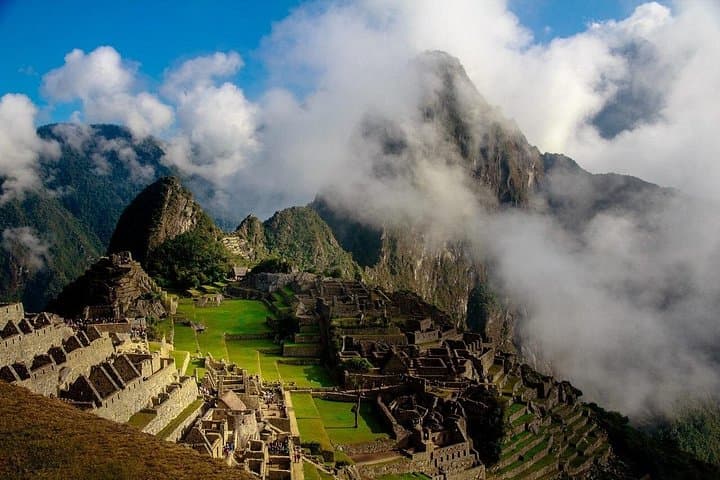
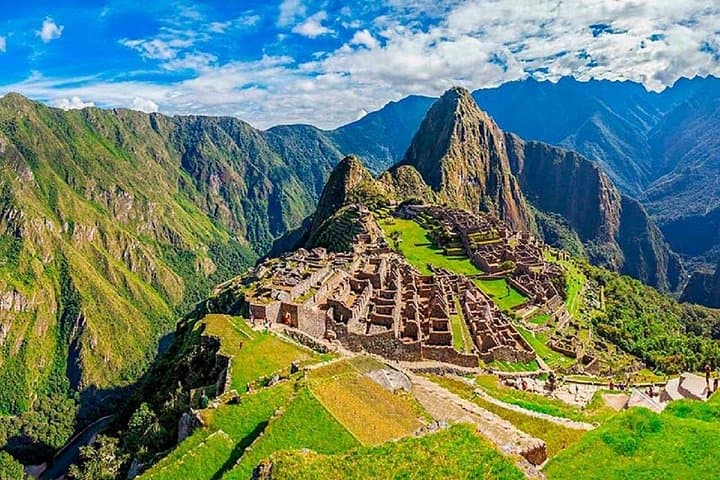
You arrive in Cusco beneath thin, cool air that tugs at breath and curiosity alike. Cobblestone streets hum with market vendors and the Andes fold upward around the city—this tour moves through that mountain rhythm, from highland bazaars to the stone terraces of Ollantaytambo and the sky-scraped ruins of Machu Picchu.
Verified experiences and guided adventures in the surrounding area.
Operated by Jupiter Legend Corporation · Cusco, Cusco
You arrive in Cusco beneath thin, cool air that tugs at breath and curiosity alike. Cobblestone streets hum with market vendors and the Andes fold upward around the city—this tour moves through that mountain rhythm, from highland bazaars to the stone terraces of Ollantaytambo and the sky-scraped ruins of Machu Picchu.
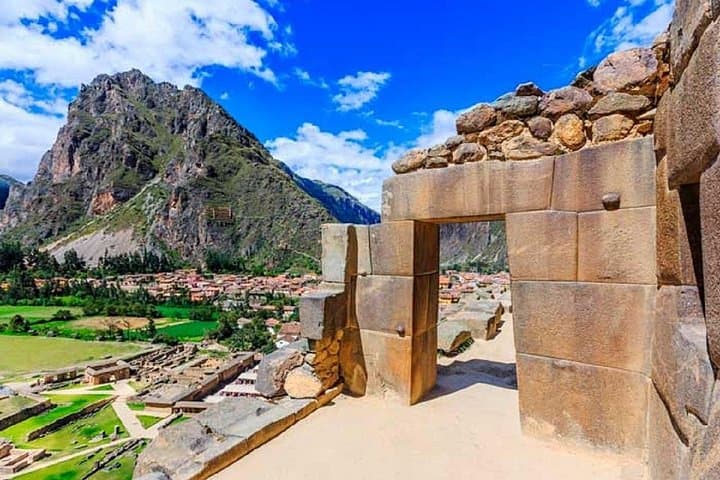
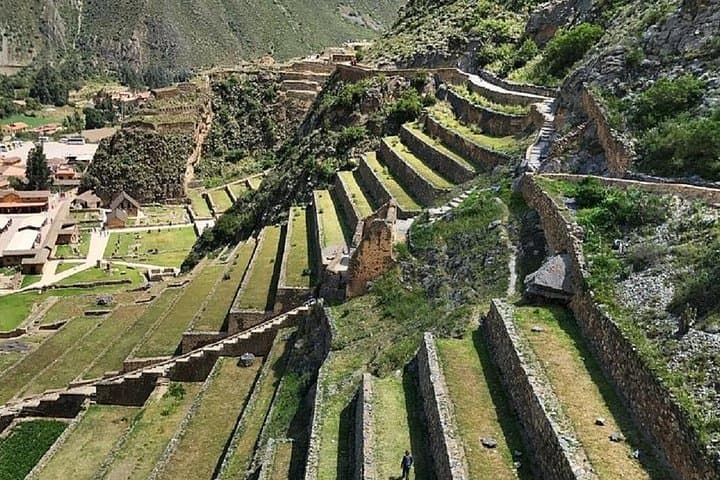
The Sacred Valley was the agricultural heart of the Inca Empire; terraces, aqueducts and massive quarried stones speak to sophisticated agronomy and engineering. Pisac’s market preserves Quechua craft and foodways while Ollantaytambo’s fortress shows the precision of Inca masonry. Riding the observation train alongside the Urubamba River, you pass cloud-forested flanks that drop into the upper Amazon basin—geology here is young, folded Andes rising from ancient river incision.
Across six days the pace alternates guided visits and free time: market strolls, archaeological parks, a scheduled visit to Machu Picchu (tickets included), and optional excursions to Moray, Maras, or Rainbow Mountain. Expect altitude as the main challenge—Cusco sits around 3,400 m and Machu Picchu at 2,430 m—so mornings are best for exertion and afternoons for gentle acclimatizing.
Practicalities matter: provide passport details early for entry tickets, travel light on the observation train (8 kg limit), carry cash for small markets, and choose sturdy footwear for uneven stone steps. With straightforward planning this itinerary delivers a balanced introduction to Andean history, culture, and landscape without technical trekking demands.
moderate.
6 days.
Moderate — no technical climbing but expect walking on uneven stone, short hikes, and high-altitude effects; basic cardiovascular fitness helps.
Yes — Machu Picchu and train tickets are issued by name; provide exact passport details early to secure tickets.
Cusco sits near 3,400 m; shortness of breath and tiredness are common. Rest on arrival, hydrate, and avoid strenuous exercise the first day.
The tour includes five breakfasts and five nights’ double-occupancy accommodation; other meals are typically at your own expense unless specified.
Yes — a post-tour Amazon extension is offered but must be booked through the operator at time of reservation and may have limited availability.
The Sacred Valley and Machu Picchu were central to the Inca Empire; many terraces and stoneworks date to the 15th century and reflect advanced agricultural engineering.
Machu Picchu limits daily visitors and enforces marked trails—stick to paths, avoid feeding wildlife, and use local guides to support community-based tourism.
Jupiter Legend Corporation operates guided outdoor trips and adventures with an emphasis on safety, stewardship, and memorable experiences.
You arrive in Cusco beneath thin, cool air that tugs at breath and curiosity alike. Cobblestone streets hum with market vendors and the Andes fold upward around the city—this tour moves through that mountain rhythm, from highland bazaars to the stone terraces of Ollantaytambo and the sky-scraped ruins of Machu Picchu.
You arrive in Cusco beneath thin, cool air that tugs at breath and curiosity alike. Cobblestone streets hum with market vendors and the Andes fold upward around the city—this tour moves through that mountain rhythm, from highland bazaars to the stone terraces of Ollantaytambo and the sky-scraped ruins of Machu Picchu.
The Sacred Valley was the agricultural heart of the Inca Empire; terraces, aqueducts and massive quarried stones speak to sophisticated agronomy and engineering. Pisac’s market preserves Quechua craft and foodways while Ollantaytambo’s fortress shows the precision of Inca masonry. Riding the observation train alongside the Urubamba River, you pass cloud-forested flanks that drop into the upper Amazon basin—geology here is young, folded Andes rising from ancient river incision.
Across six days the pace alternates guided visits and free time: market strolls, archaeological parks, a scheduled visit to Machu Picchu (tickets included), and optional excursions to Moray, Maras, or Rainbow Mountain. Expect altitude as the main challenge—Cusco sits around 3,400 m and Machu Picchu at 2,430 m—so mornings are best for exertion and afternoons for gentle acclimatizing.
Practicalities matter: provide passport details early for entry tickets, travel light on the observation train (8 kg limit), carry cash for small markets, and choose sturdy footwear for uneven stone steps. With straightforward planning this itinerary delivers a balanced introduction to Andean history, culture, and landscape without technical trekking demands.